Je bent nu op de Engelse pagina. Wil je naar de Nederlandse pagina? Klik dan hier.
wintereik

Westmalle (Belgium)

In Westmalle, we are restoring an existing forest by planting over 53,000 trees. This is an important step towards making the forest more resilient to the effects of climate change.

Status: Current project

Restoring and strengthening a vulnerable forest

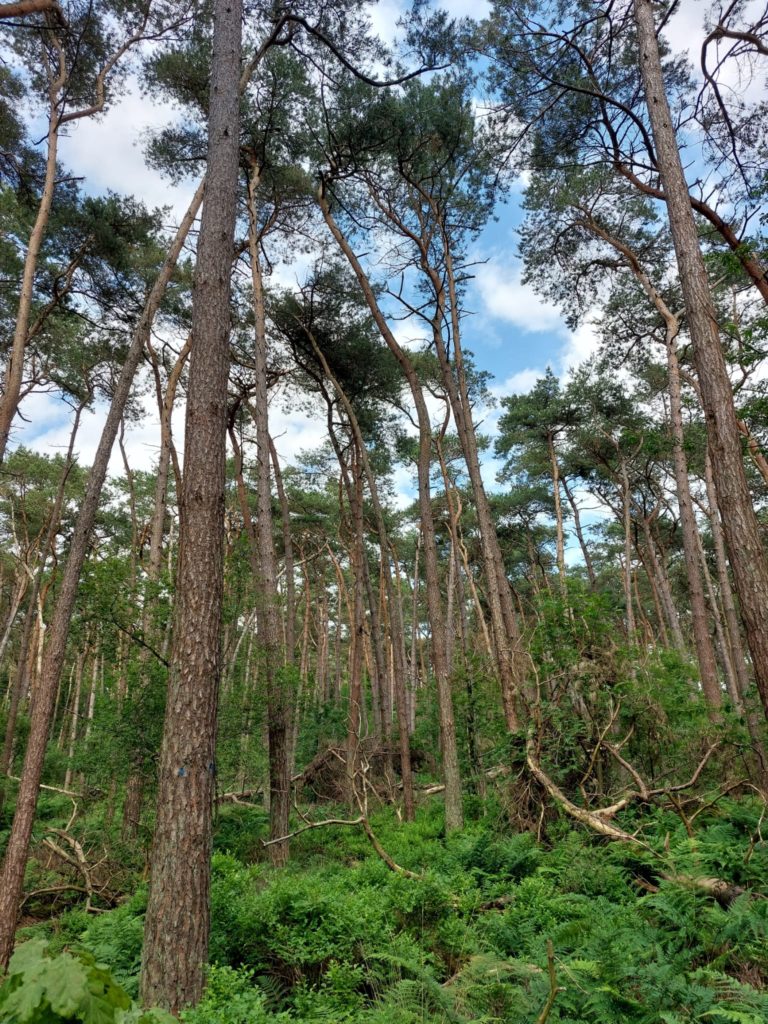
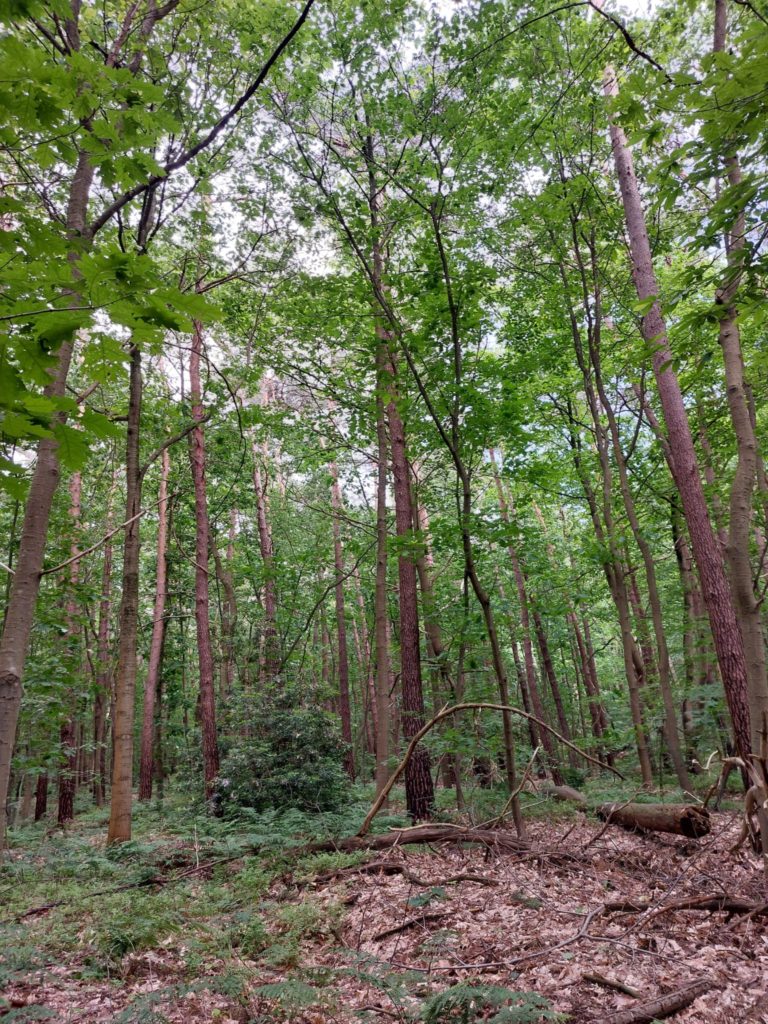
In Westmalle, Belgium, we are restoring an existing 112-hectare forest. The forest is currently in poor condition. In some areas, trees grow too close together for sunlight to reach the forest floor, making it difficult for young trees to grow naturally.

The diversity of tree species is also limited. The forest is dominated by species that aren’t native to the area, such as Scottish pine and American oak. This makes the forest vulnerable to the effects of climate change, including drought, diseases and pests. Another challenge? The many roe deer living in the area see young trees as a tasty snack, limiting the development of the young trees.

Without intervention, the condition of the forest will continue to deteriorate. That is why we, together with our partners, are working on revitalising it. By combining different measures, we aim to create a stronger, more resilient forest which is better equipped to cope with future challenges.

.

Participate in our forest projects

  • Enter a number
  • Enter a number
  • Enter a number
  • Enter a number
  • You will be kept informed about your trees with Track & Trees.
  • You will receive an invitation to plant your own trees during a tree planting day.
  • You will (optionally) receive a mailbox tree. We get trees from you, you get a tree from us!

The project in numbers

icon-moederboom

53.460

new trees and shrubs

1.500

trees and shrubs per hectare

icon-aanplant

2025 − 2028

planting period

bos-westmalle
bos-westmalle

The current forest in Westmalle is monotonous and quite dense in some places. To stimulate natural processes, we are bringing more light into the forest and planting various new tree species.

Our approach

To strengthen the existing forest, it is important to encourage natural regeneration: the process by which young trees grow naturally. We do this through a combination of measures that support these natural processes. This approach is known as Assisted Natural Regeneration (ANR).

  • We make room for natural regeneration. In some parts of the forest, limited sunlight makes it difficult for young trees to establish and grow. That is why selected trees will be removed in some areas. This will allow more light to reach the forest floor and create space for young trees to grow, helping the forest regenerate.
  • We increase diversity in the forest. A greater variety of tree and shrub species makes a forest stronger and more resilient. If one species struggles in the future due to drought, disease or pests, other species can continue to support the health and resilience of the forest.
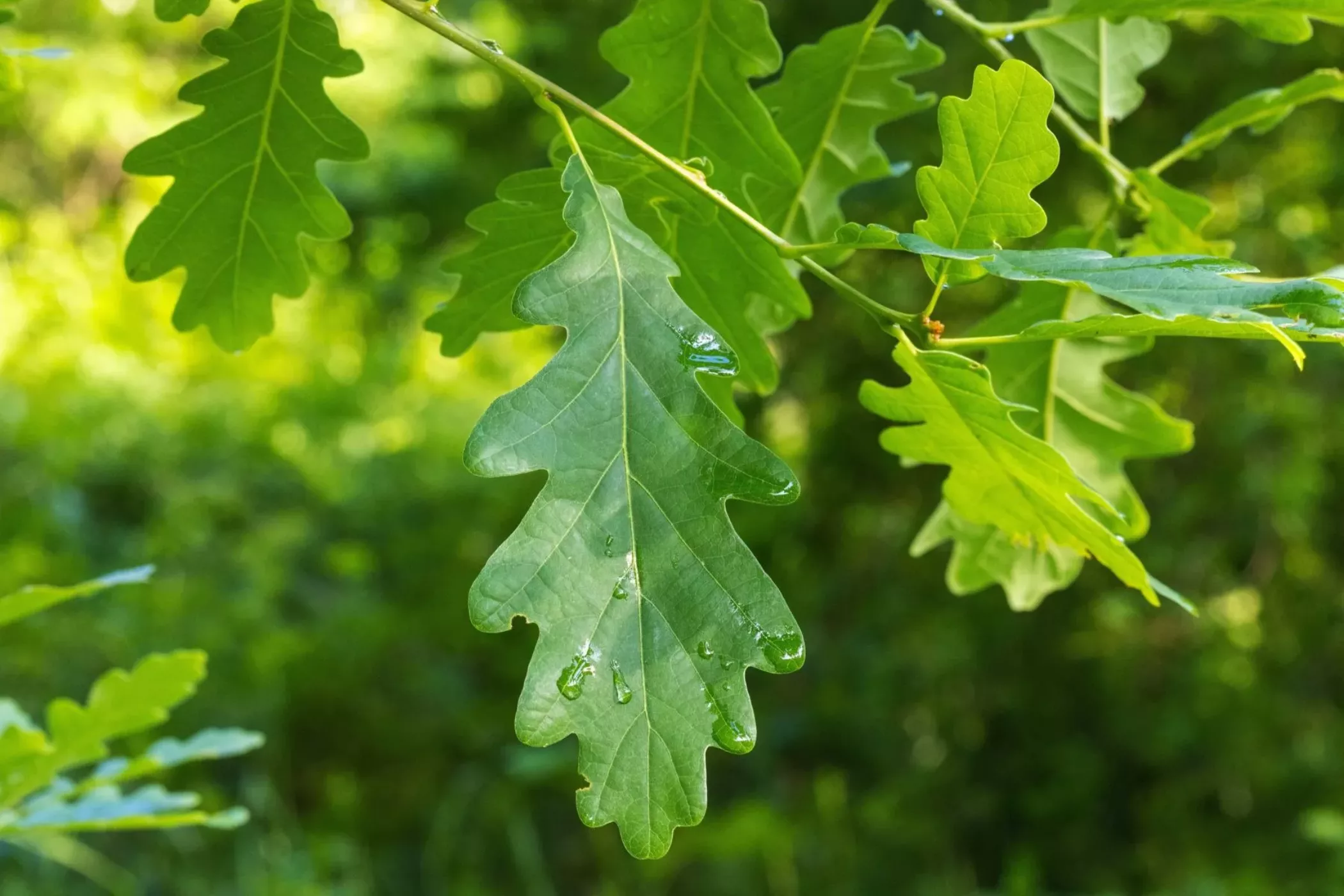
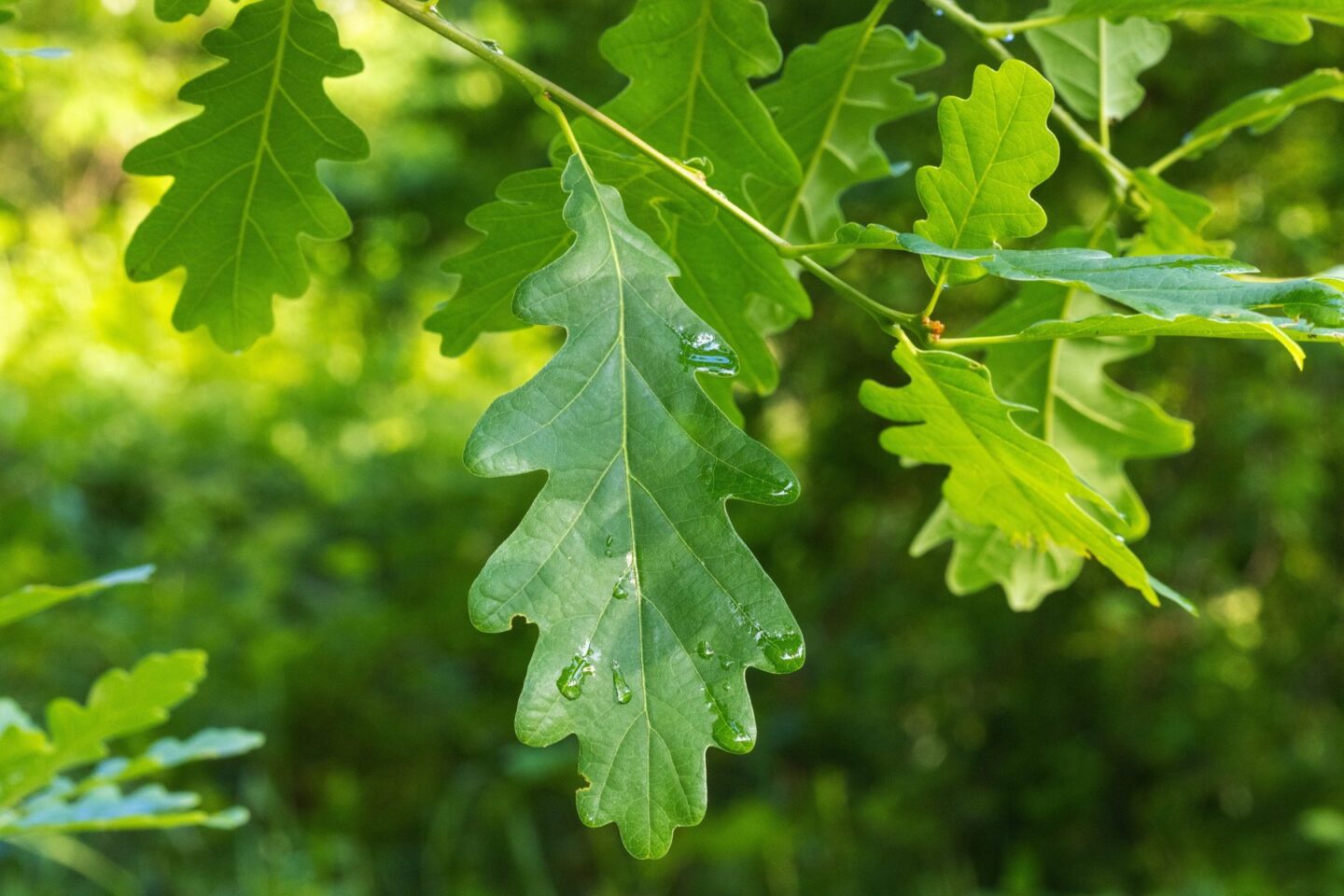
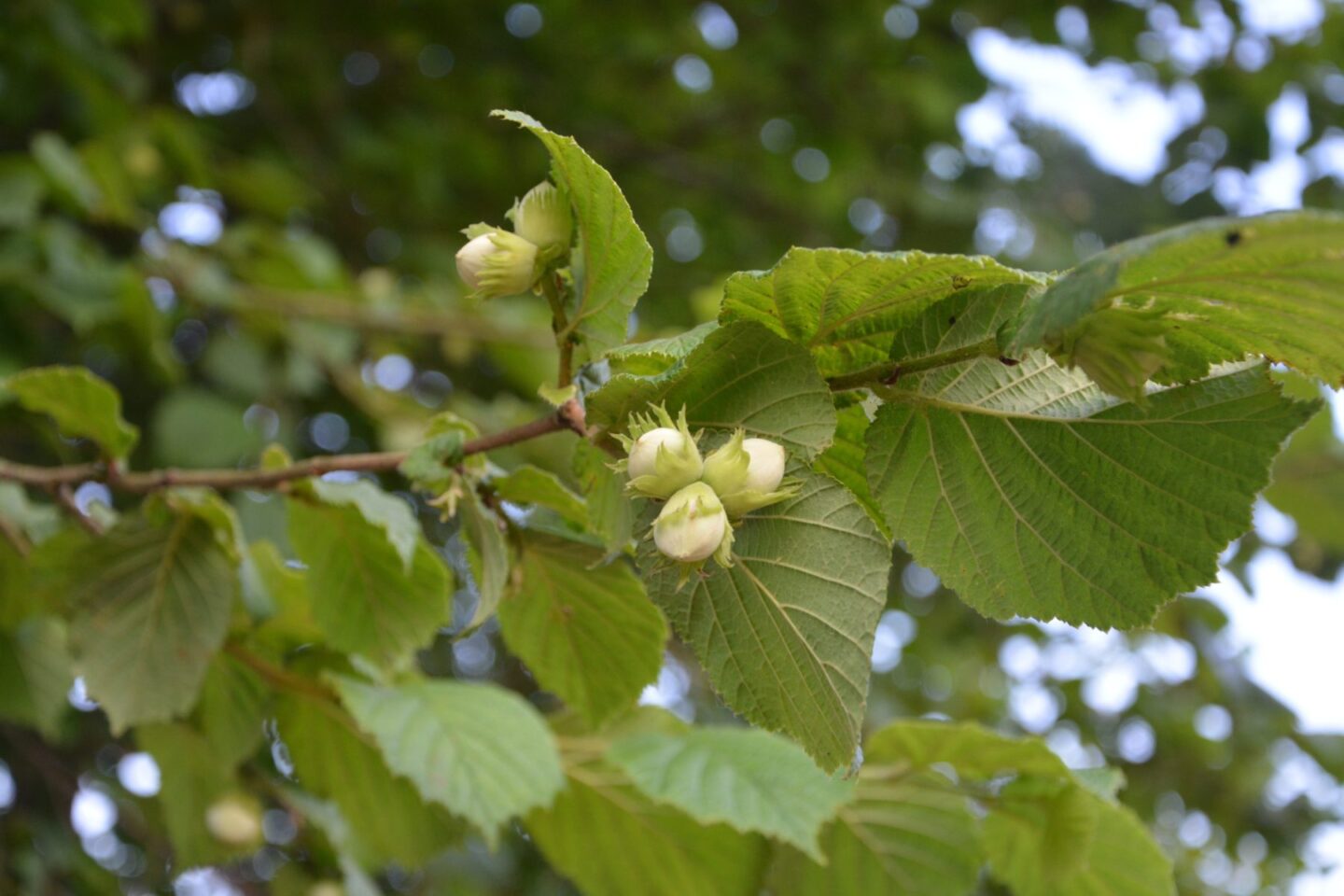
  • We plant a variety of native species: sessile oak, hornbeam and hazel. These species occur naturally in the area and provide food and habitats for native plants and animals. By planting them, we help increase biodiversity and strengthen the forest as an ecosystem
  • We protect young trees from roe deer. By installing protective mesh fencing around newly planted trees, we prevent roe deer from eating them. This gives the young trees the opportunity to establish and grow until they are strong enough to thrive without protection.
wintereik
Wintereik
blad-haagbeuk
Haagbeuk

The planting location

The forest in Westmalle is located north-east of Antwerp, less than half an hour’s drive from the Dutch border. It is a very popular place for walking, with some trees over 100 years old.

Onze partners

For this project, we are working with Sylva Nova, a forest management and consultancy organisation dedicated to the sustainable management, restoration and expansion of European forests. The forest is owned by De Dennen, a residential care organisation.t

This project contributes to multiple
Sustainable Development Goals

11. Sustainable cities and communities
13. Climate action
15. Life on land
17. Partnership for the goals