How trees improve biodiversity
Trees are home to countless plants and animals, thus they are good for biodiversity. But what is biodiversity exactly? Why is it important? And how can trees increase biodiversity?

Trees are home to countless plants and animals, thus they are good for biodiversity. But what is biodiversity exactly? Why is it important? And how can trees increase biodiversity?
Biodiversity is the variety of all life on earth. This includes plants, animals, fungi, bacteria and everything in between. Together, all these different species form an ecosystem. A forest, for instance, is an example of an ecosystem. And so are rivers, oceans and even your own back garden.
In an ecosystem, everything is connected: all the species depend on one another for their survival. If some species disappear, the whole balance of an ecosystem is disrupted. Then nature, and people too, become more vulnerable to heat, drought or flooding, for example.
In short, biodiversity ensures strong ecosystems. Healthy ecosystems sequester carbon better, retain water and make the soil more fertile. They also help people, wildlife and nature as a whole to cope better with extreme conditions. So, by protecting biodiversity worldwide, we’re also protecting ourselves!
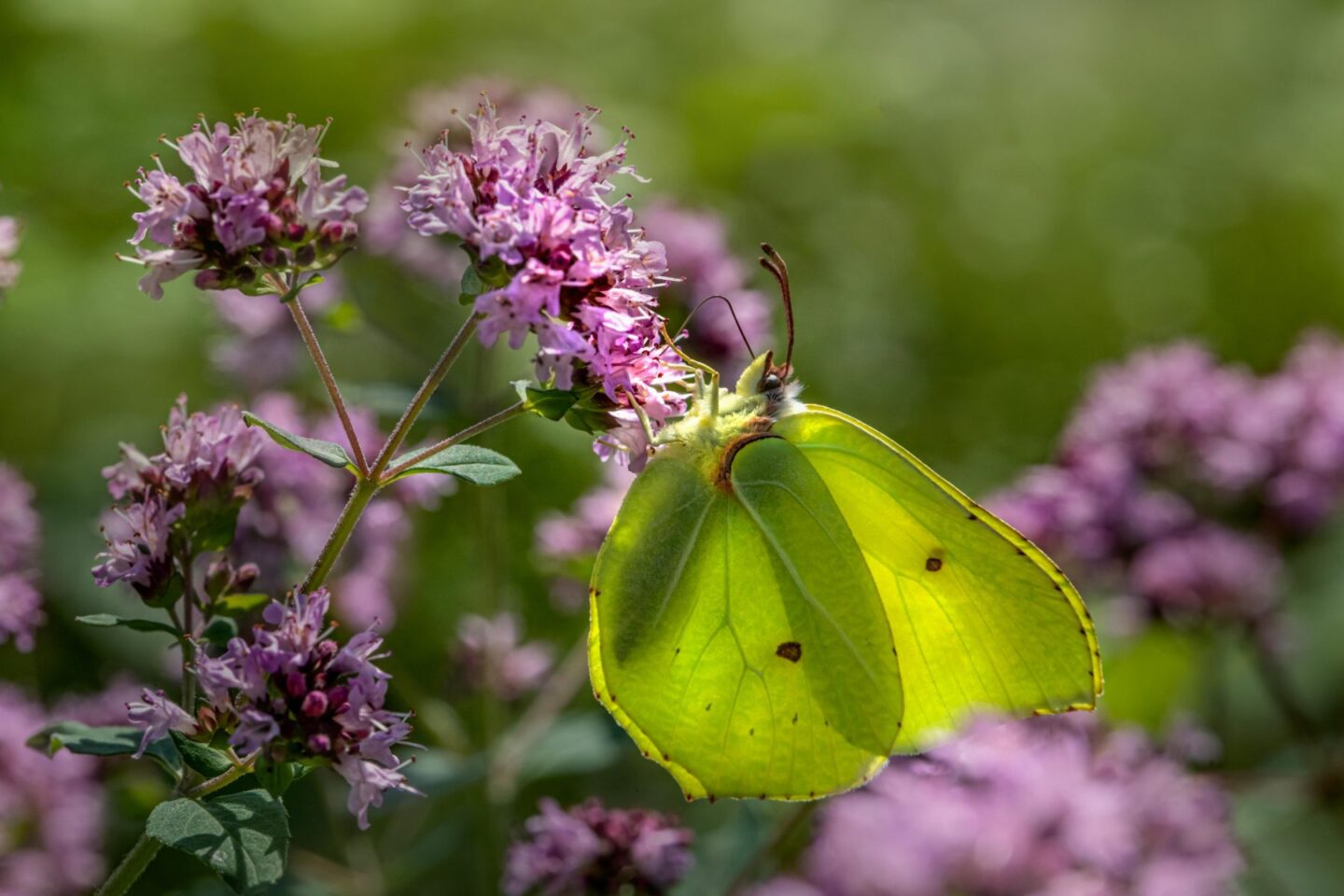
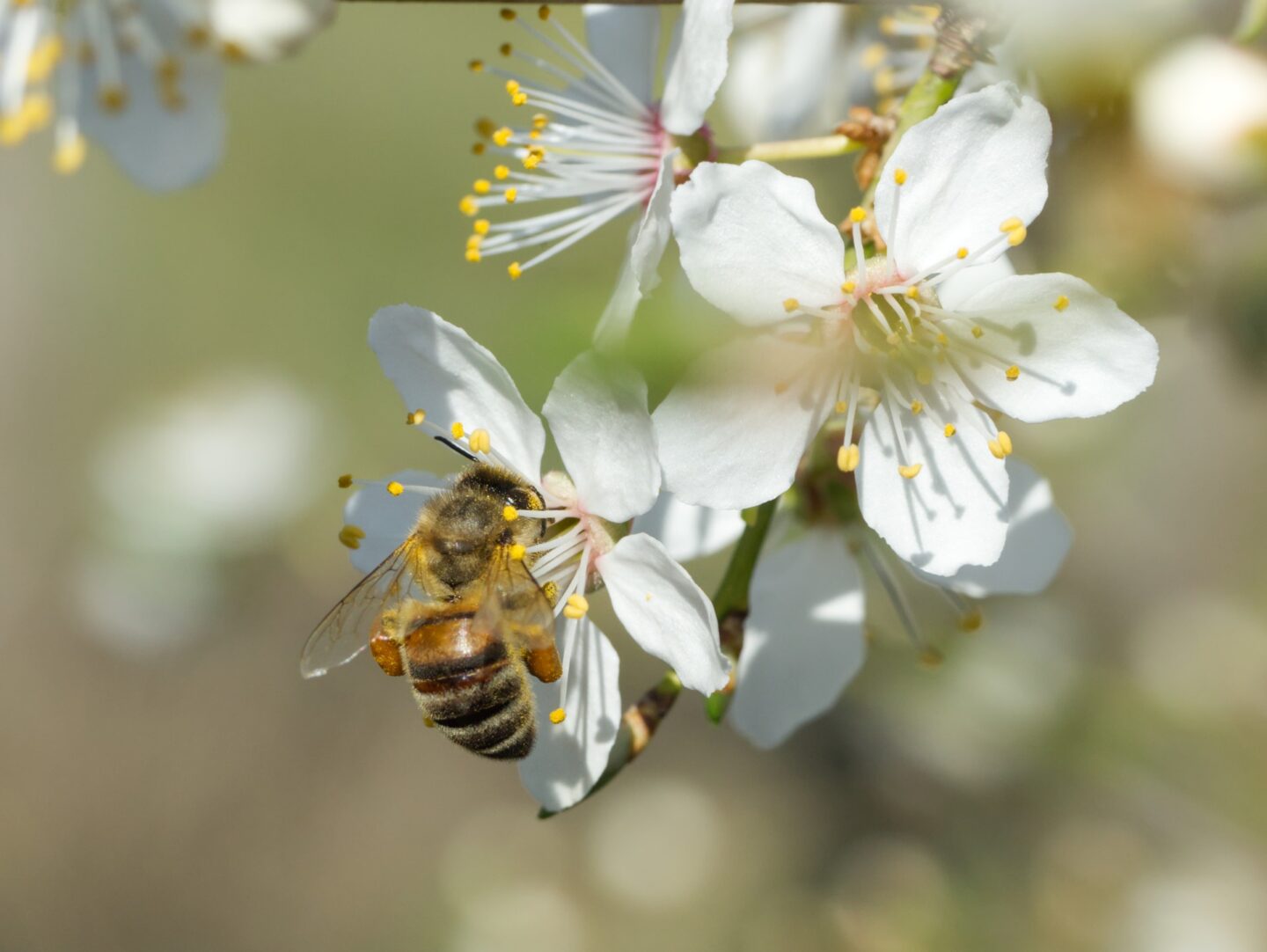
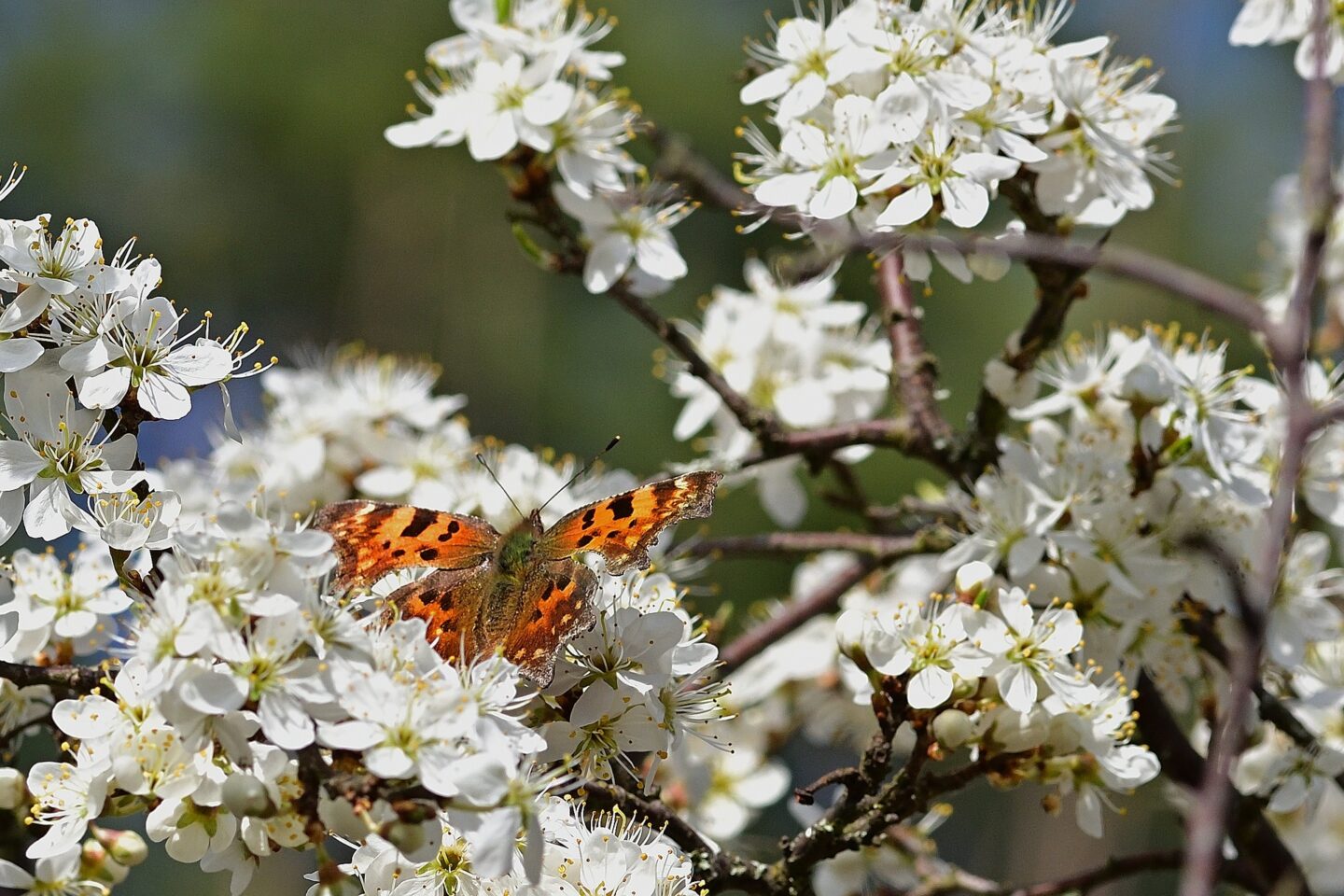
The bee is a good example to explain this. Bees pollinate flowers, allowing fruit, nuts and seeds to develop on plants and trees. Less pollination therefore means less food, declining harvests, rising food prices and loss of habitats for other species.
Removing just one link – the bee – upsets the whole system. So, biodiversity is not a luxury, but the foundation of healthy life on earth. This is why our projects worldwide contribute to maintaining and reinforcing biodiversity.
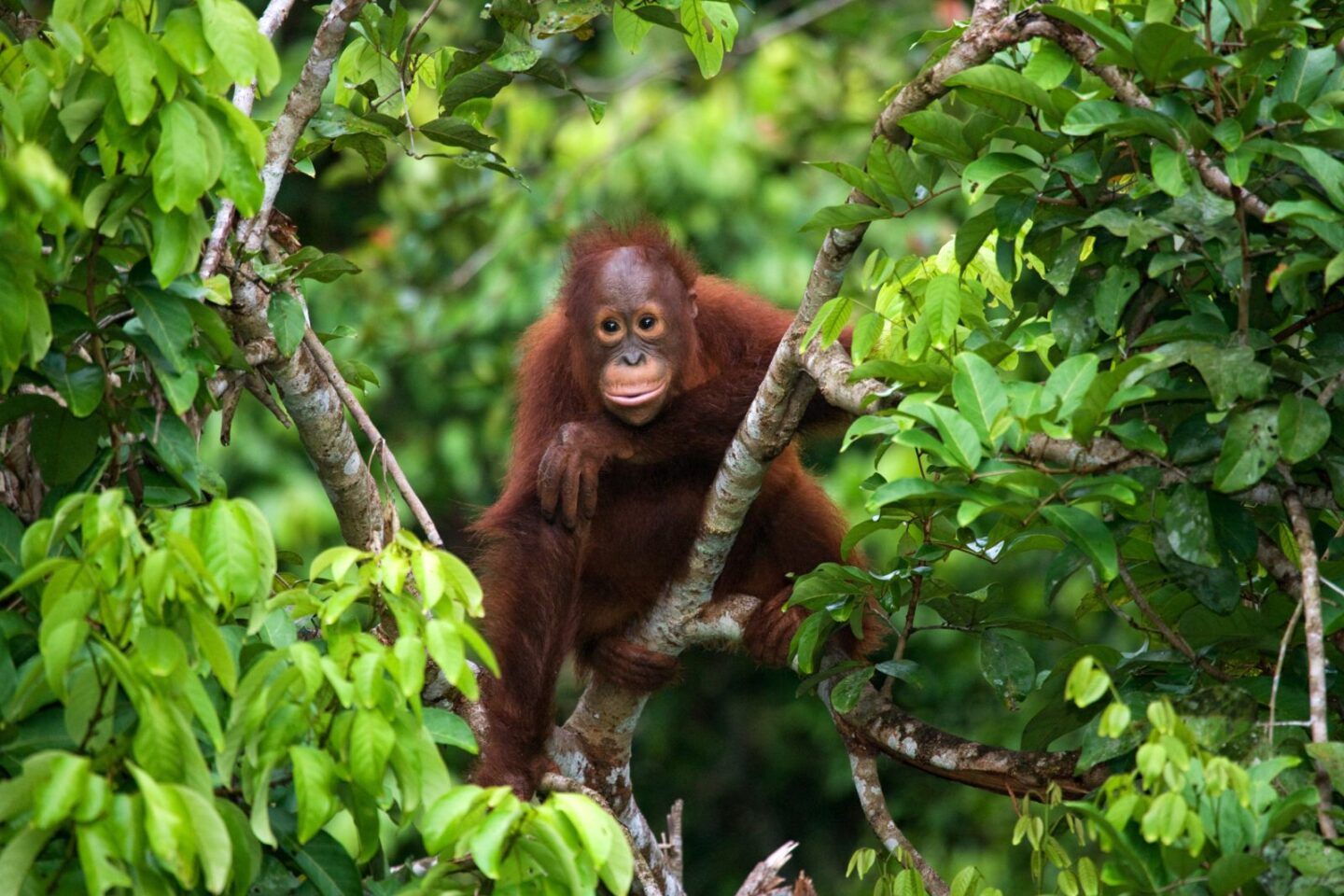
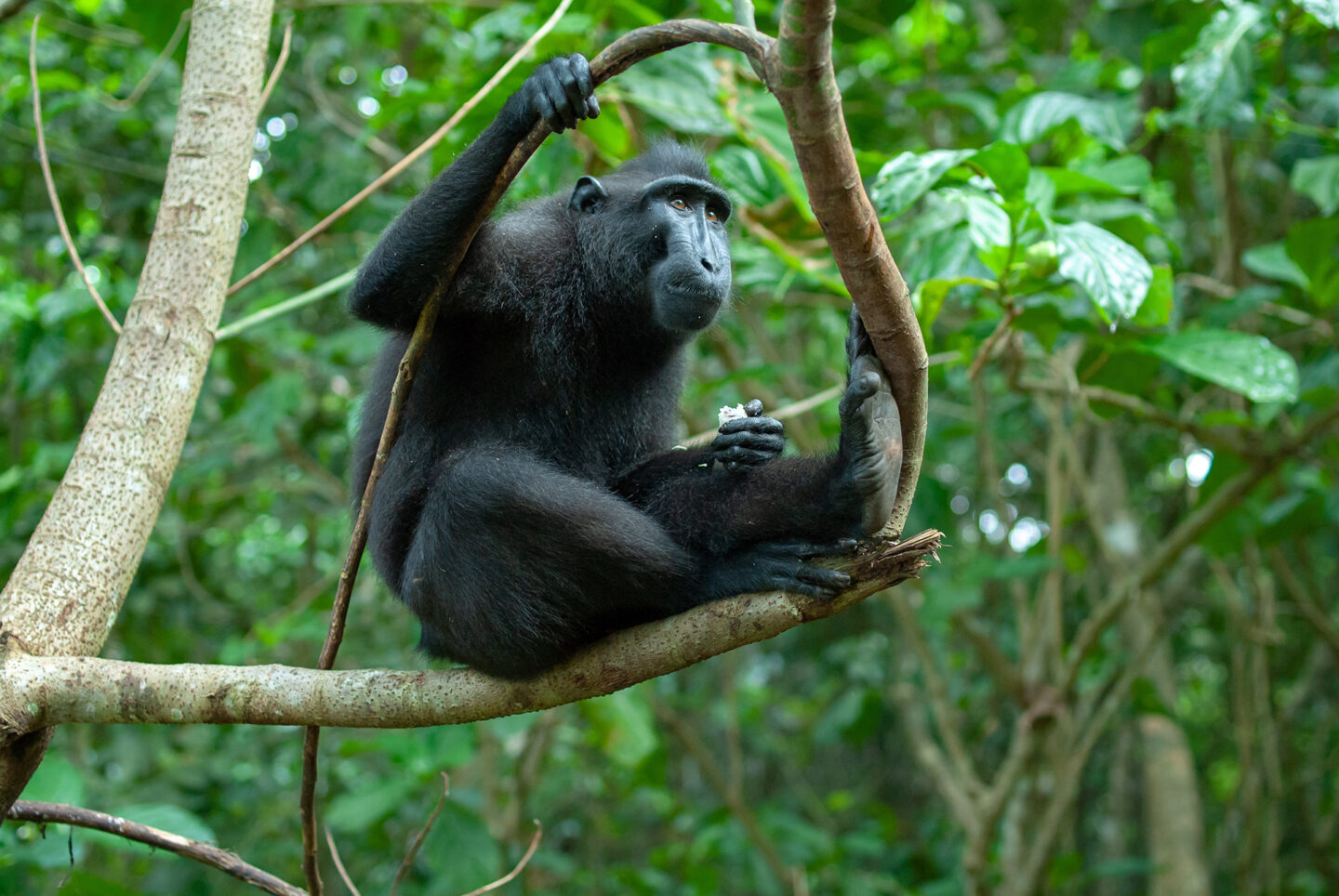
On Borneo, for instance, we’re expanding the habitat of endangered orang-utans, in Vietnam we’ve reintroduced a nearly extinct species of tree, and in Mexico a manatee has been spotted in our project area again after many years, partly thanks to reforestation!
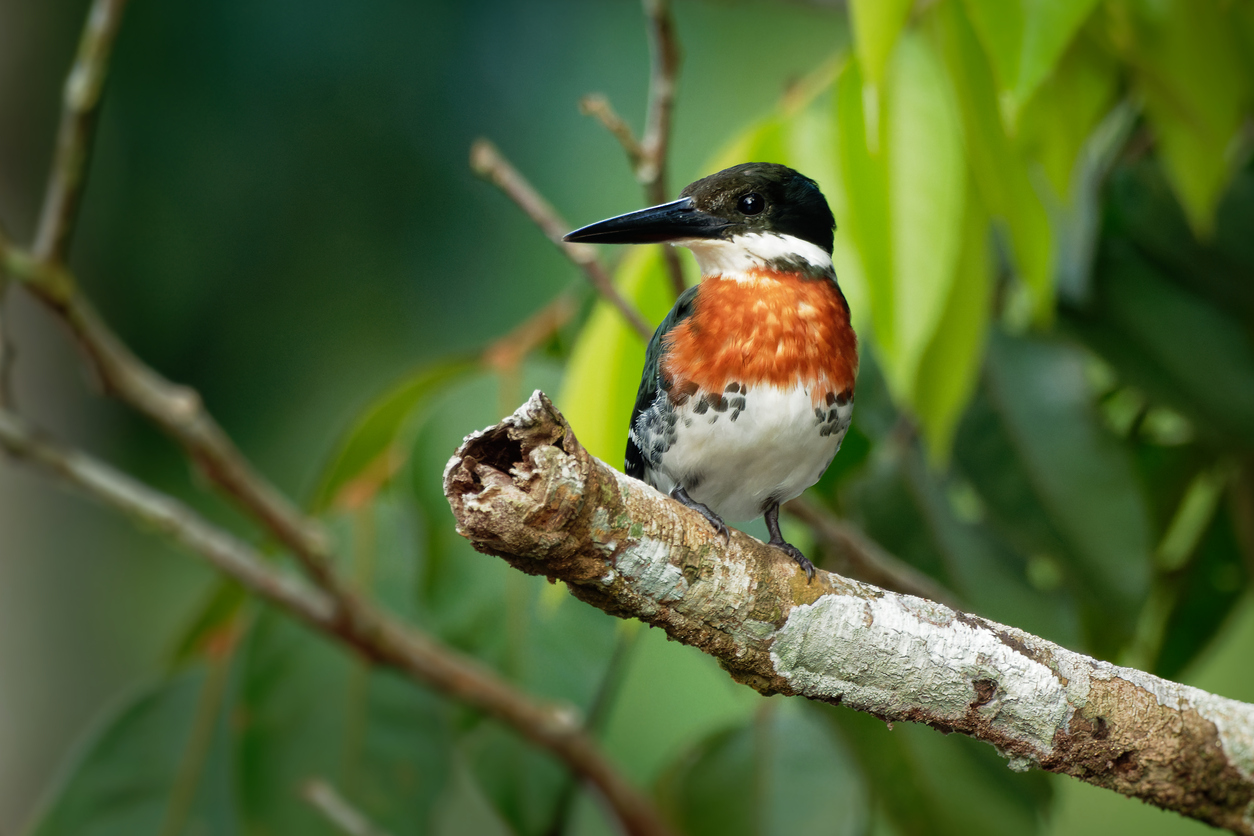
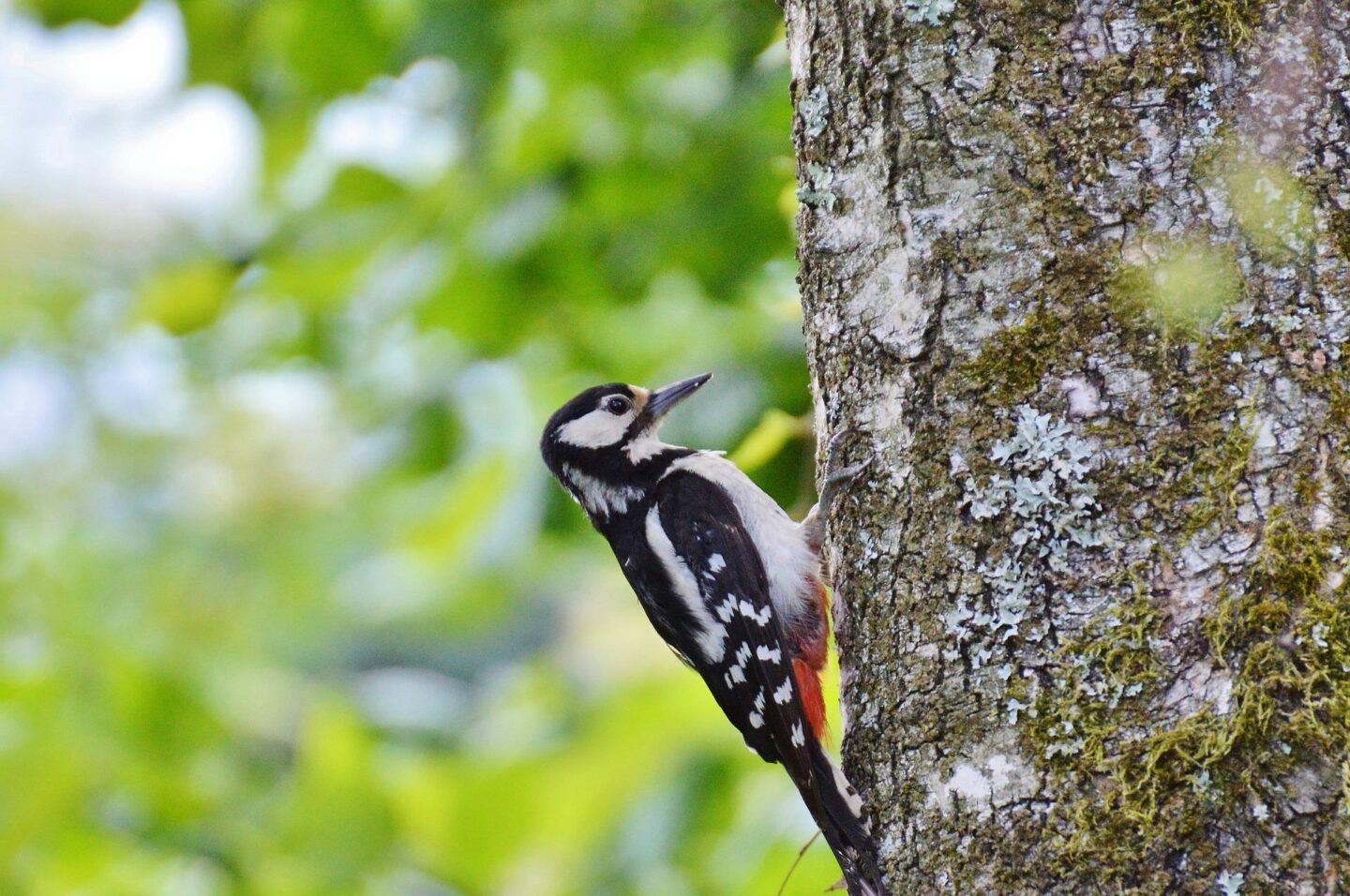
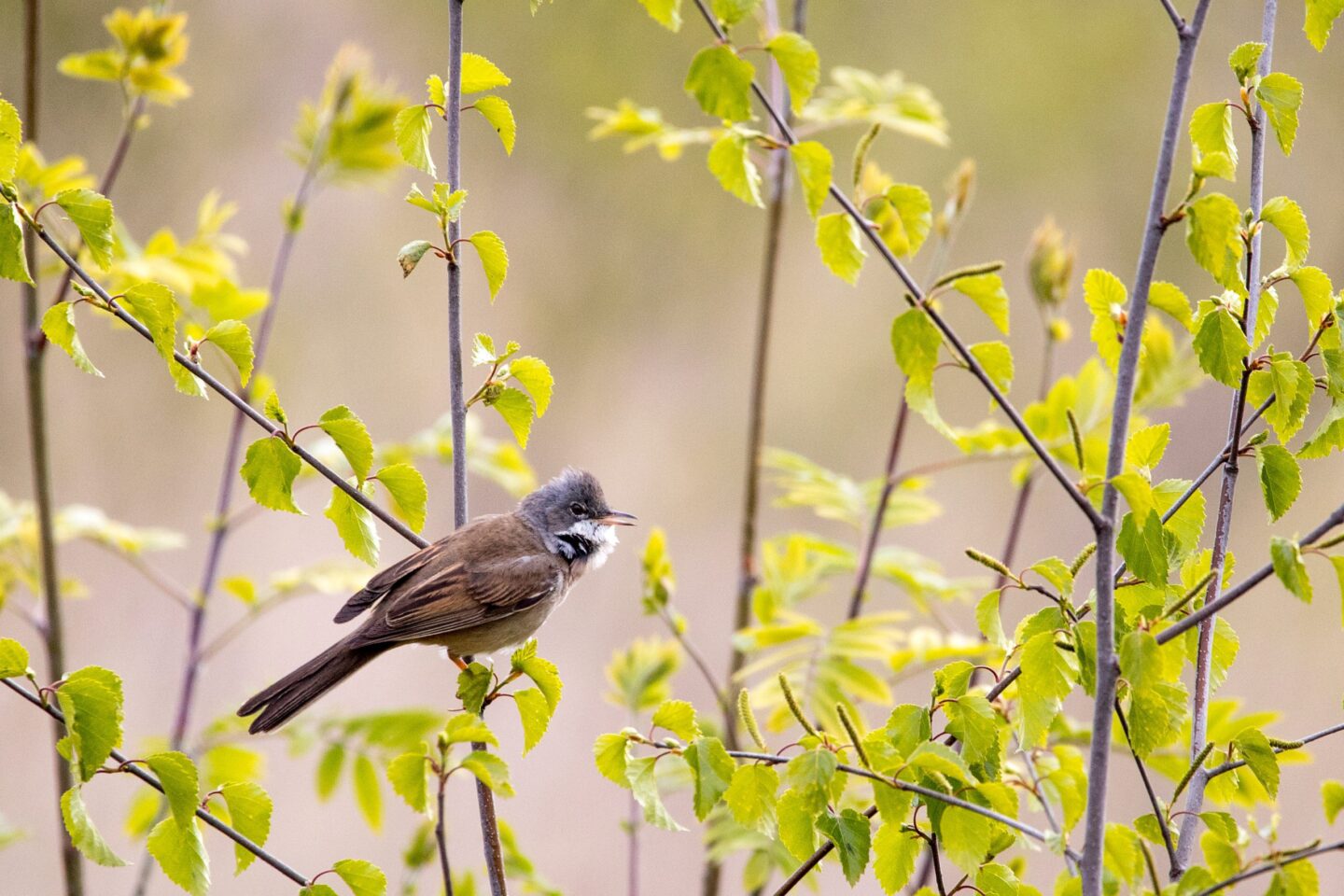
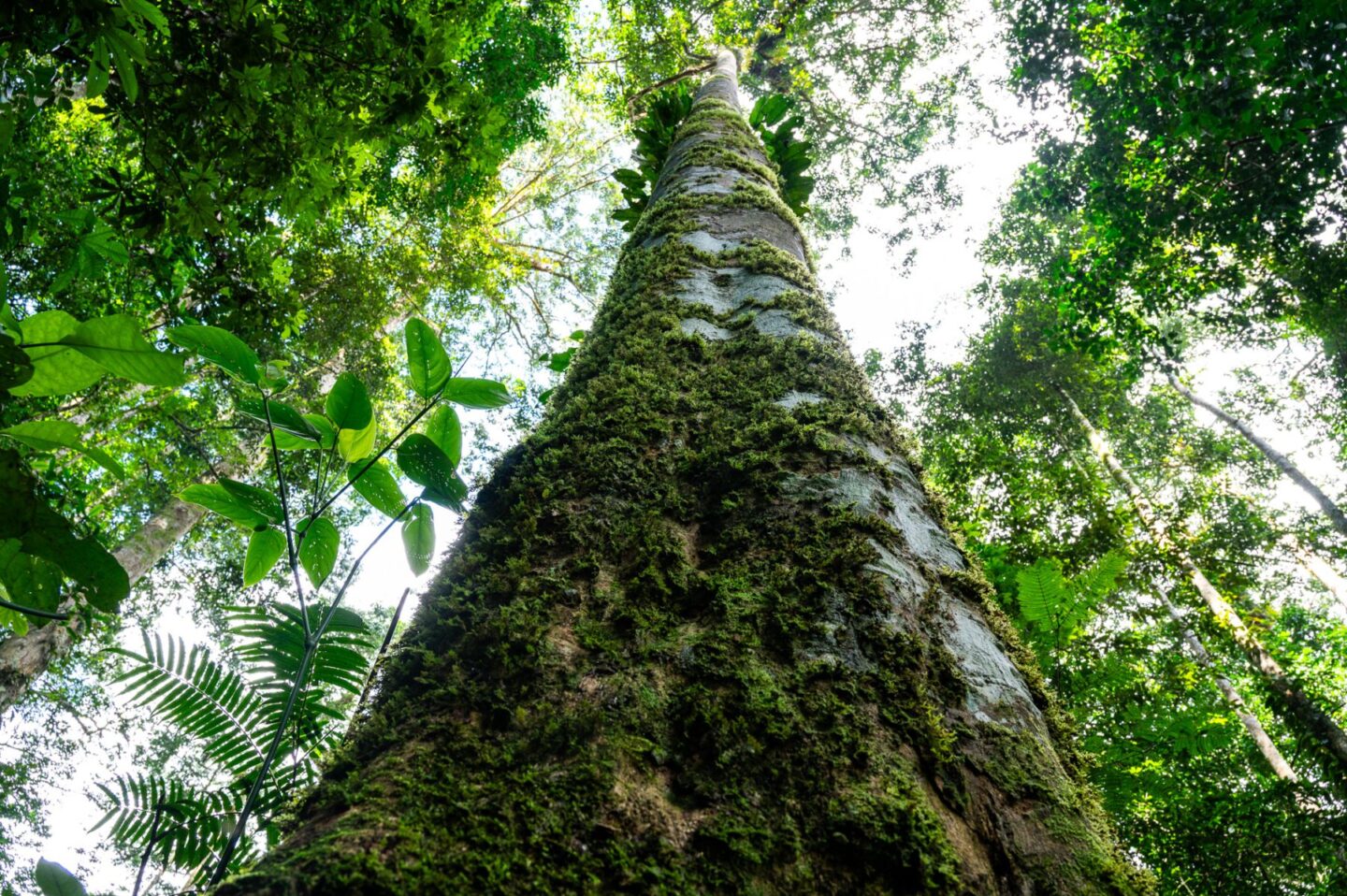
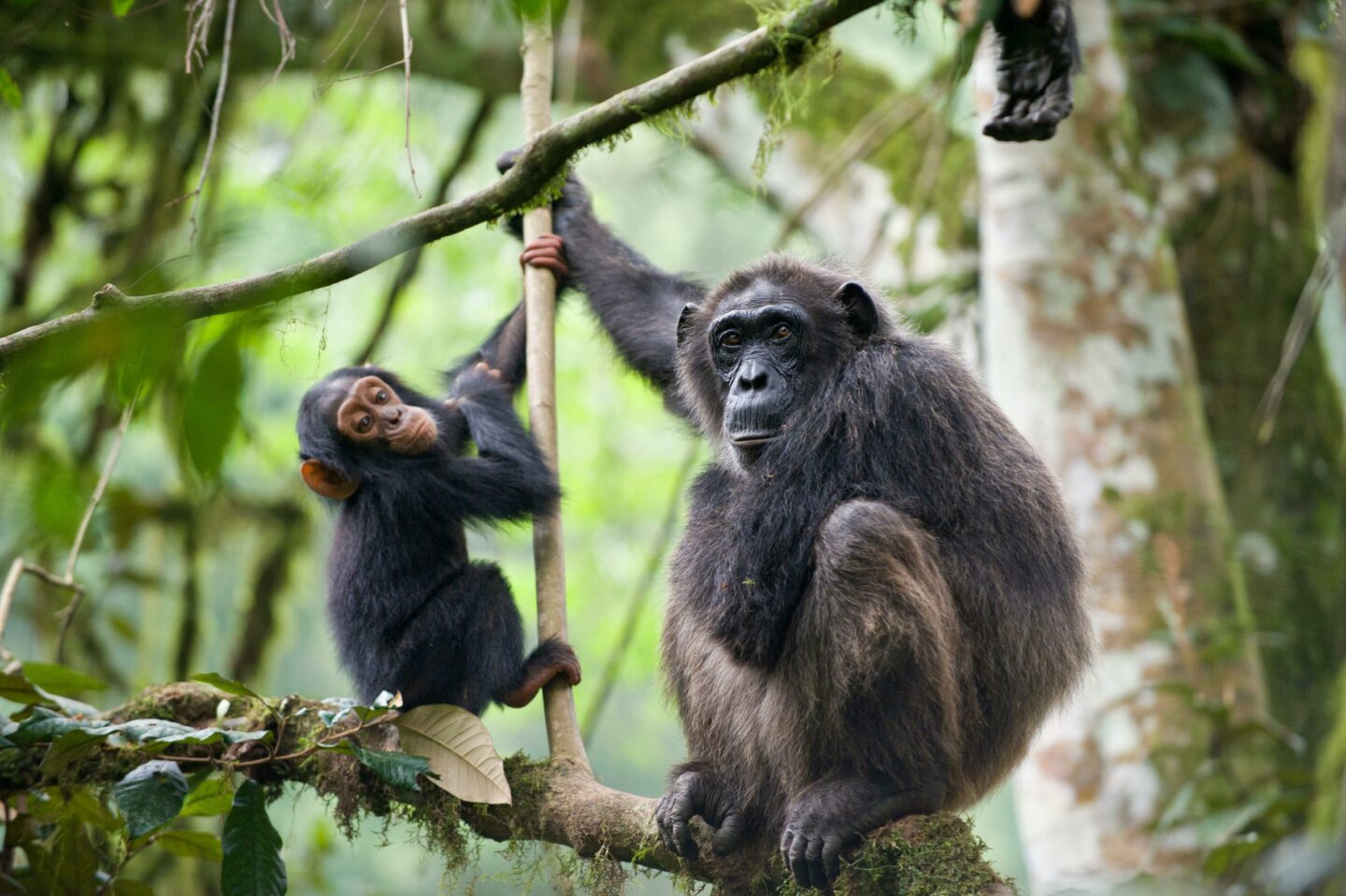
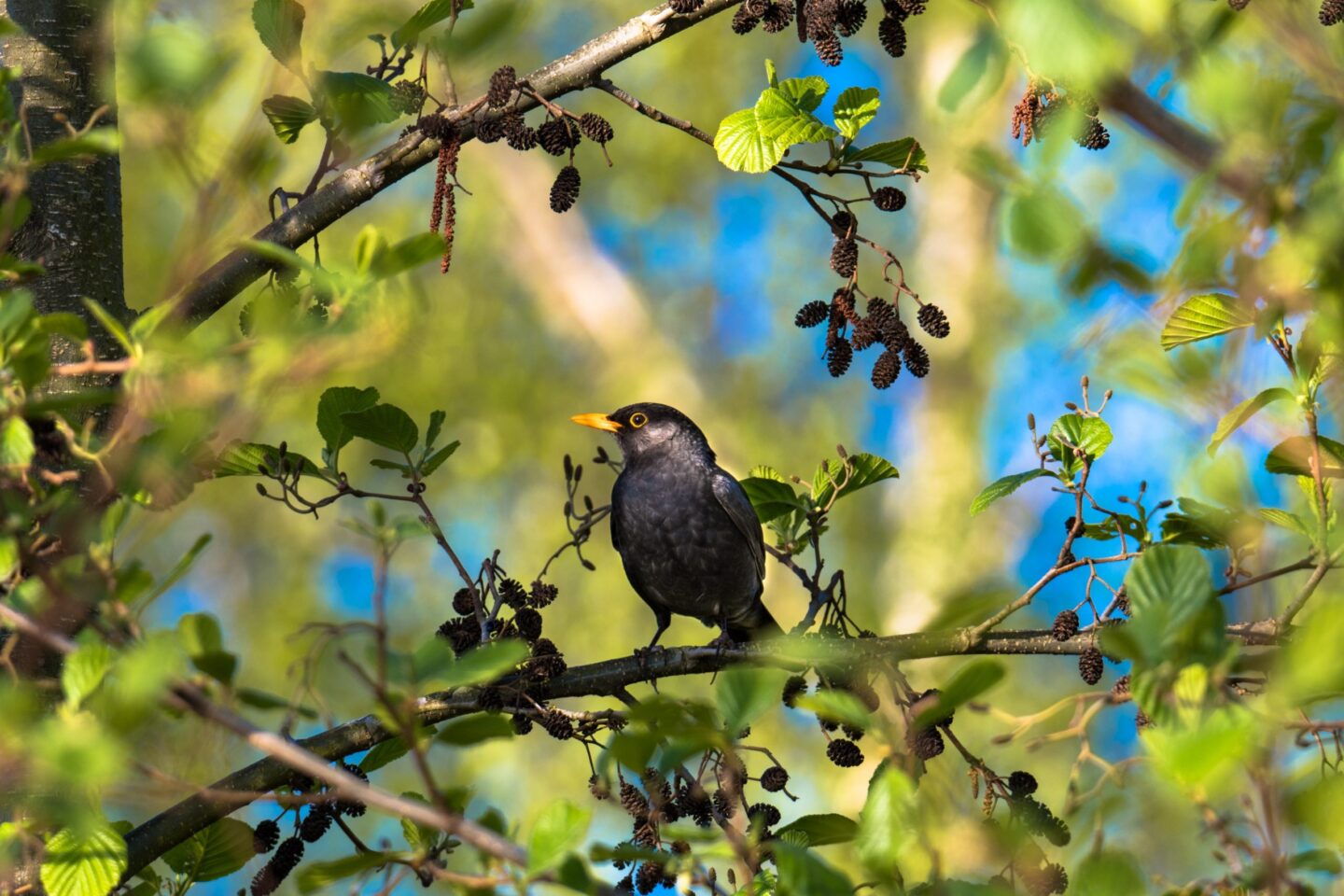
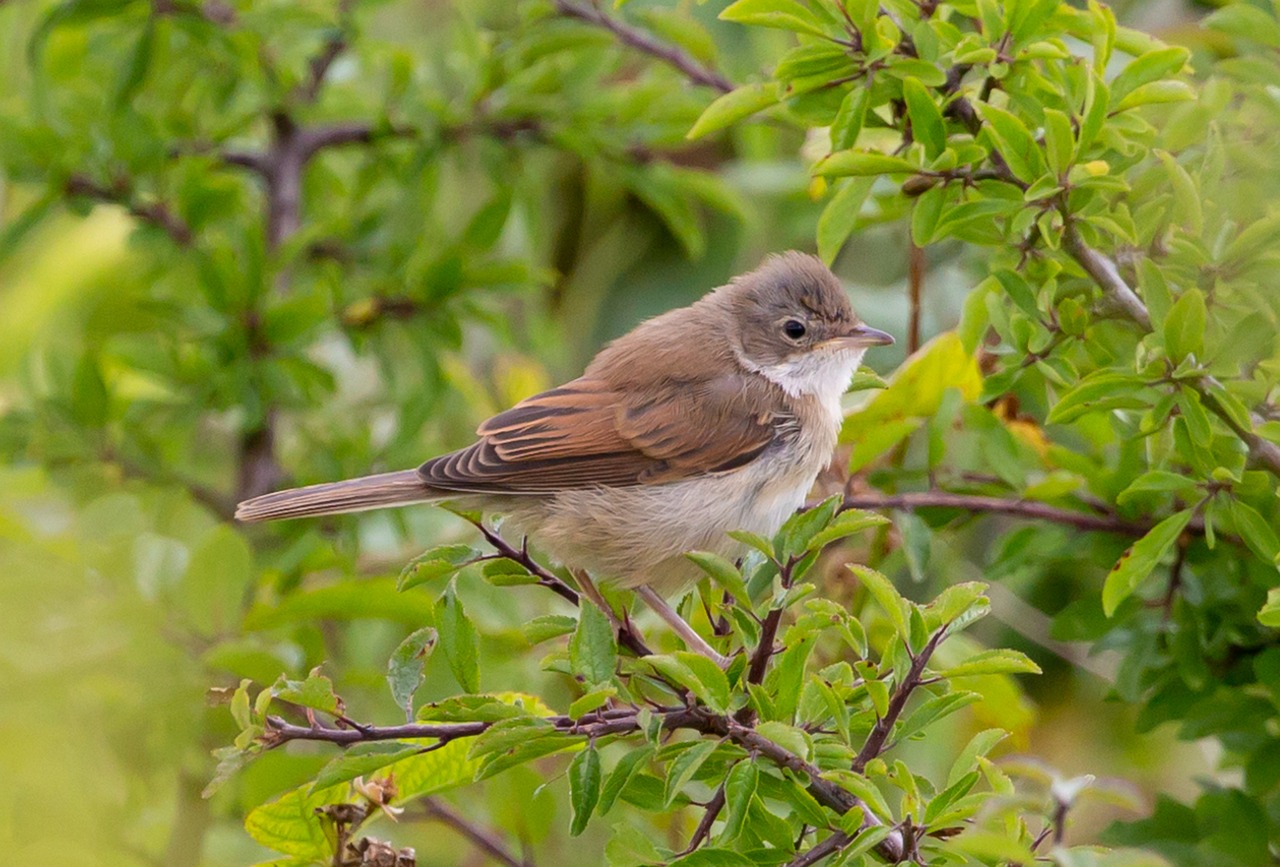
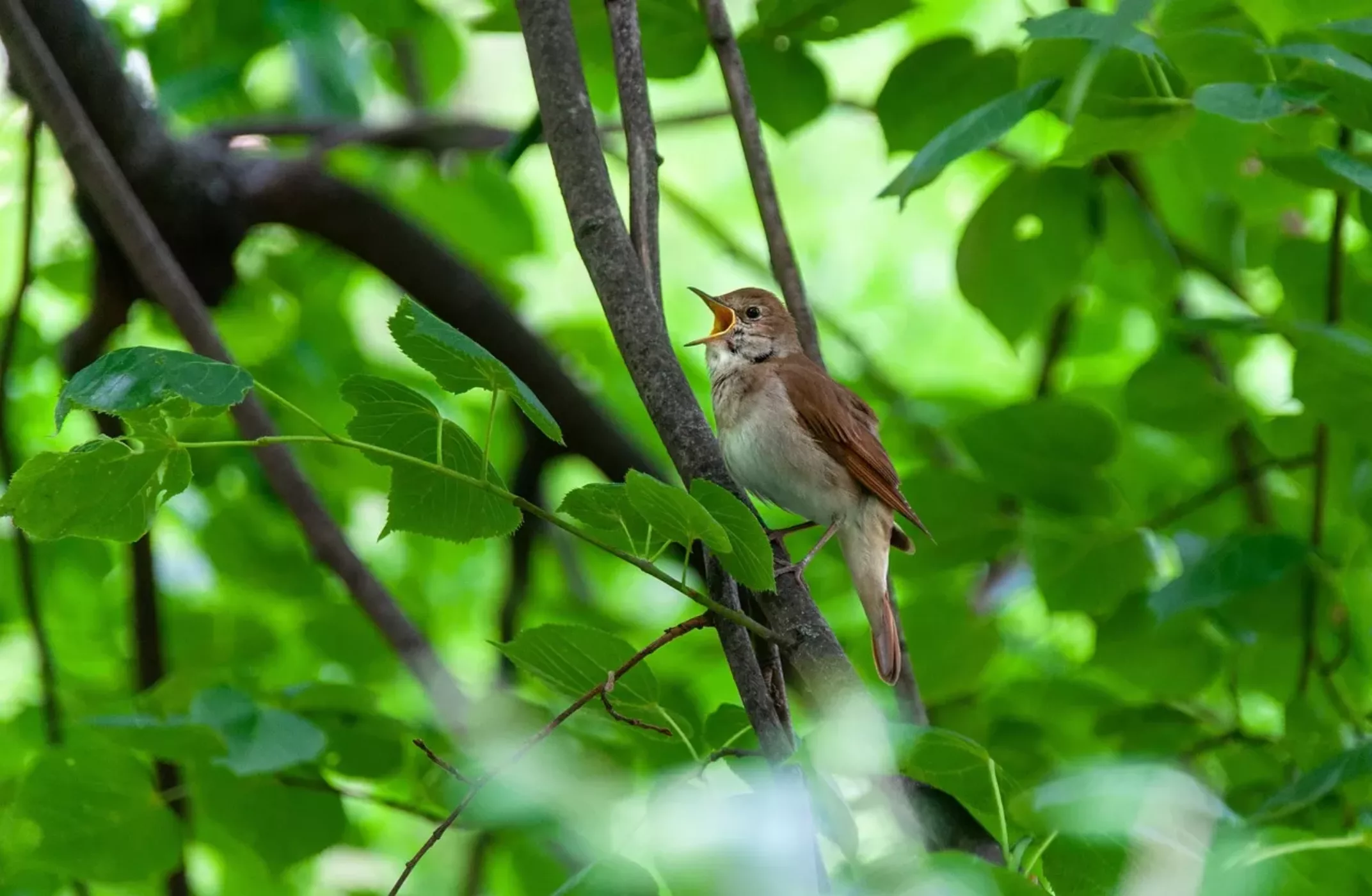
Take a look at all our projectsTrees play an important role in increasing biodiversity. Indeed, a tree is actually a tiny ecosystem by itself, housing all sorts of species, including insects, birds, fungi and other organisms. Trees provide them with food, shelter and a place to breed.
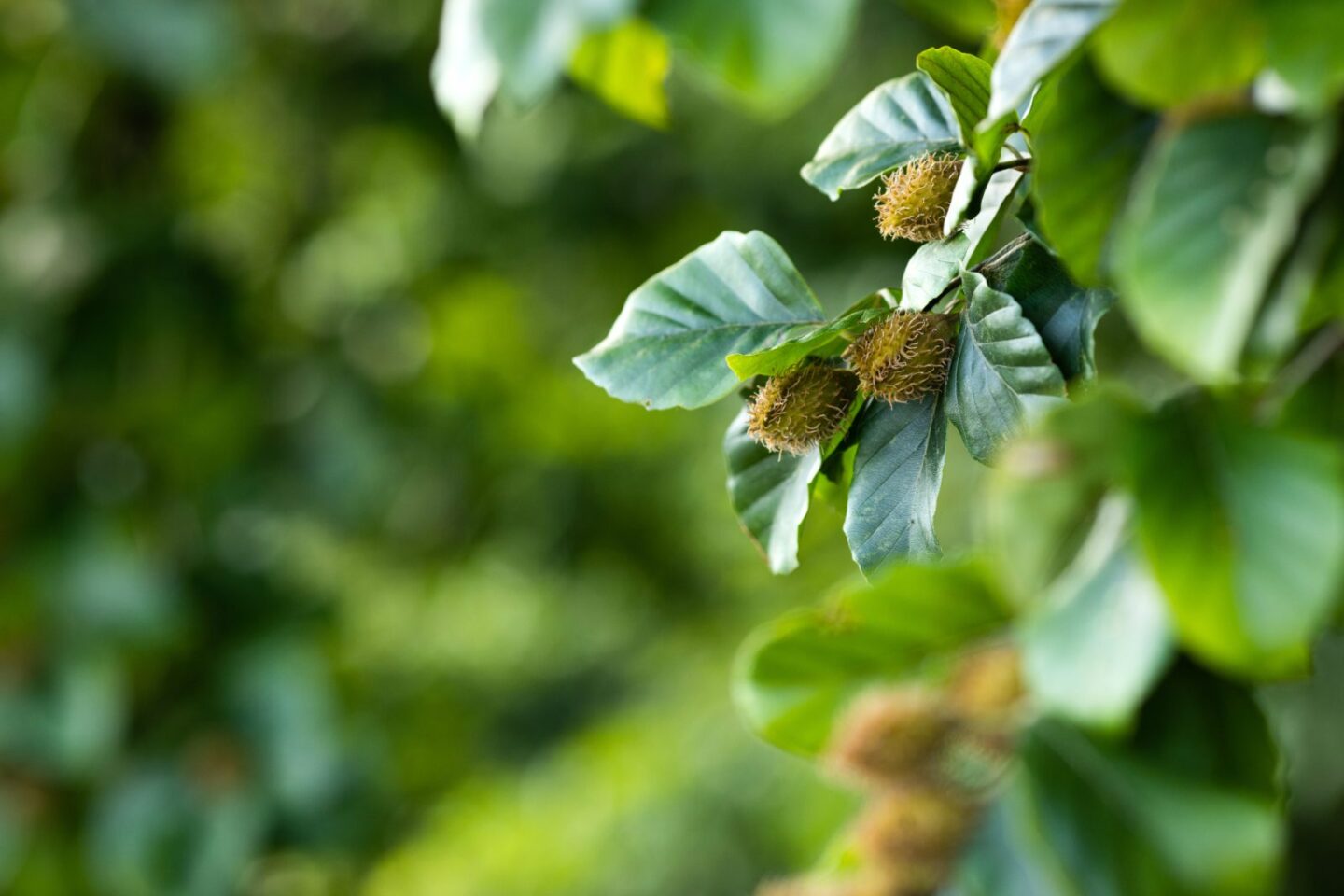
A single native common oak is home to more than 400 species of insect! They attract all sorts of birds and mammals, which in turn contribute to spreading seeds – from which new trees and plants eventually grow. So together, all the different species maintain the ecosystem.
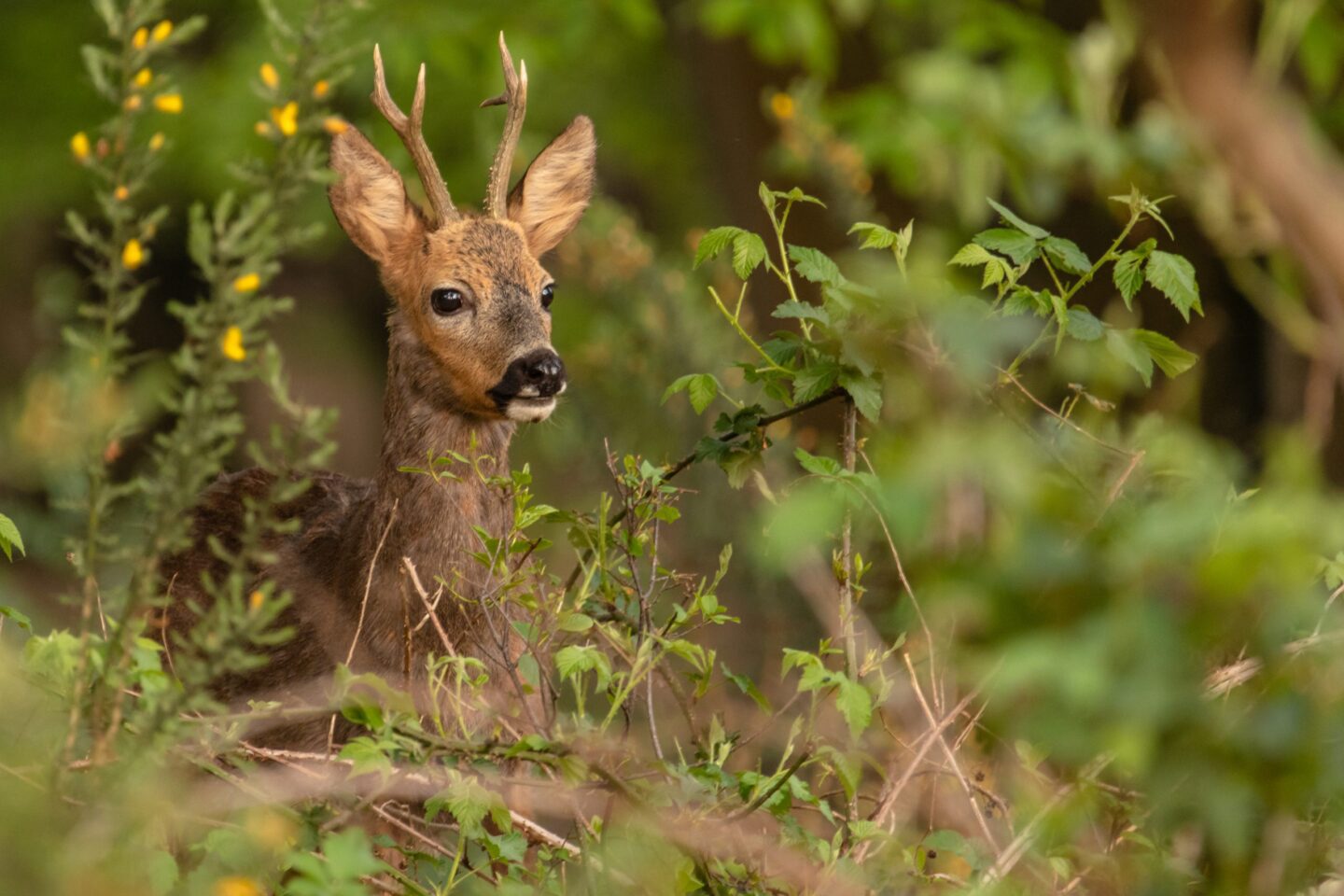
Where trees disappear, there is often a rapid decline in biodiversity. All sorts of species lose their habitat and food sources at once. Fortunately, the reverse is also true: if we plant new forests and manage and protect them well, then nature returns step by step. Then biodiversity can recover, resulting in a resilient ecosystem once more.
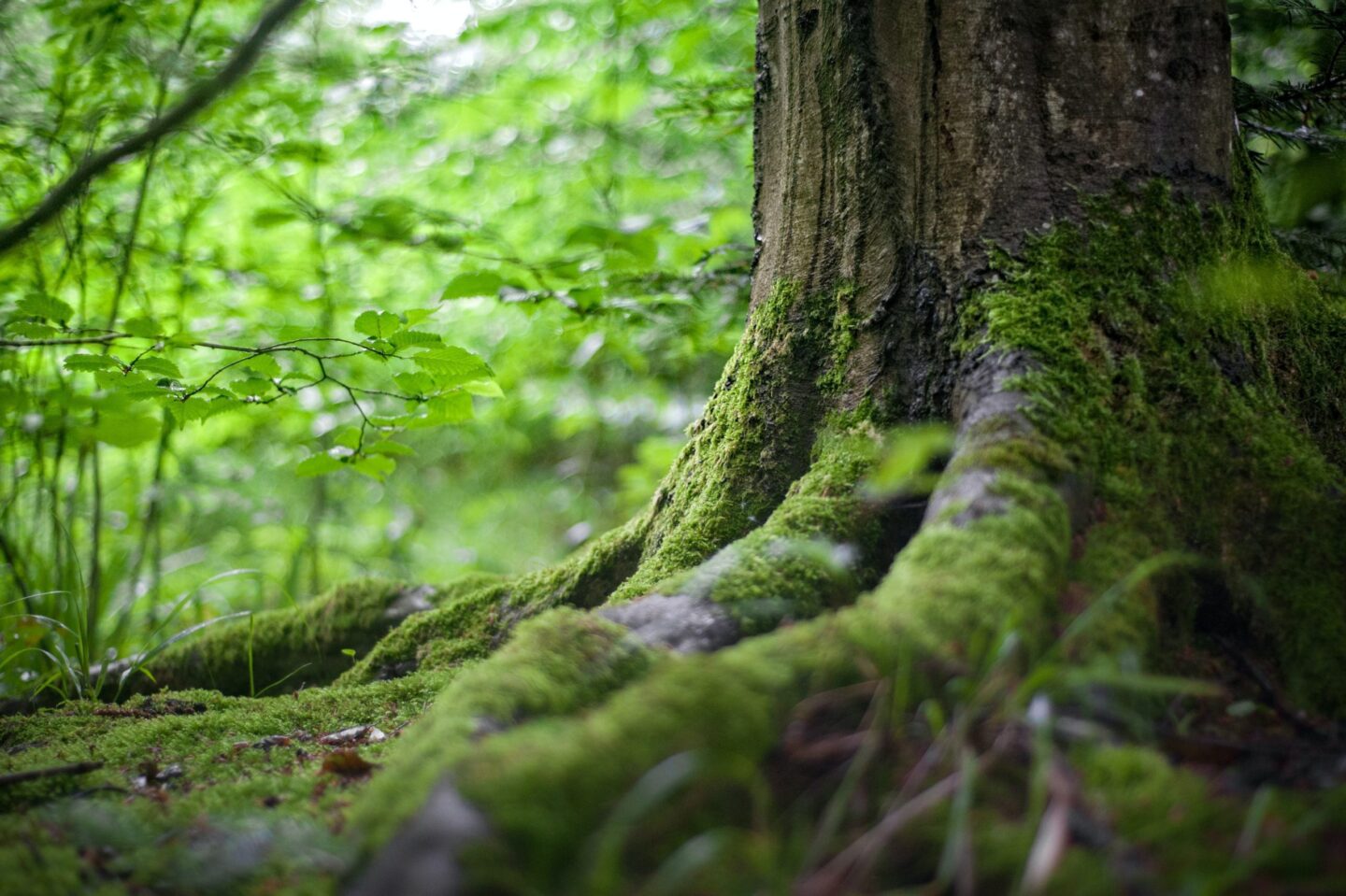
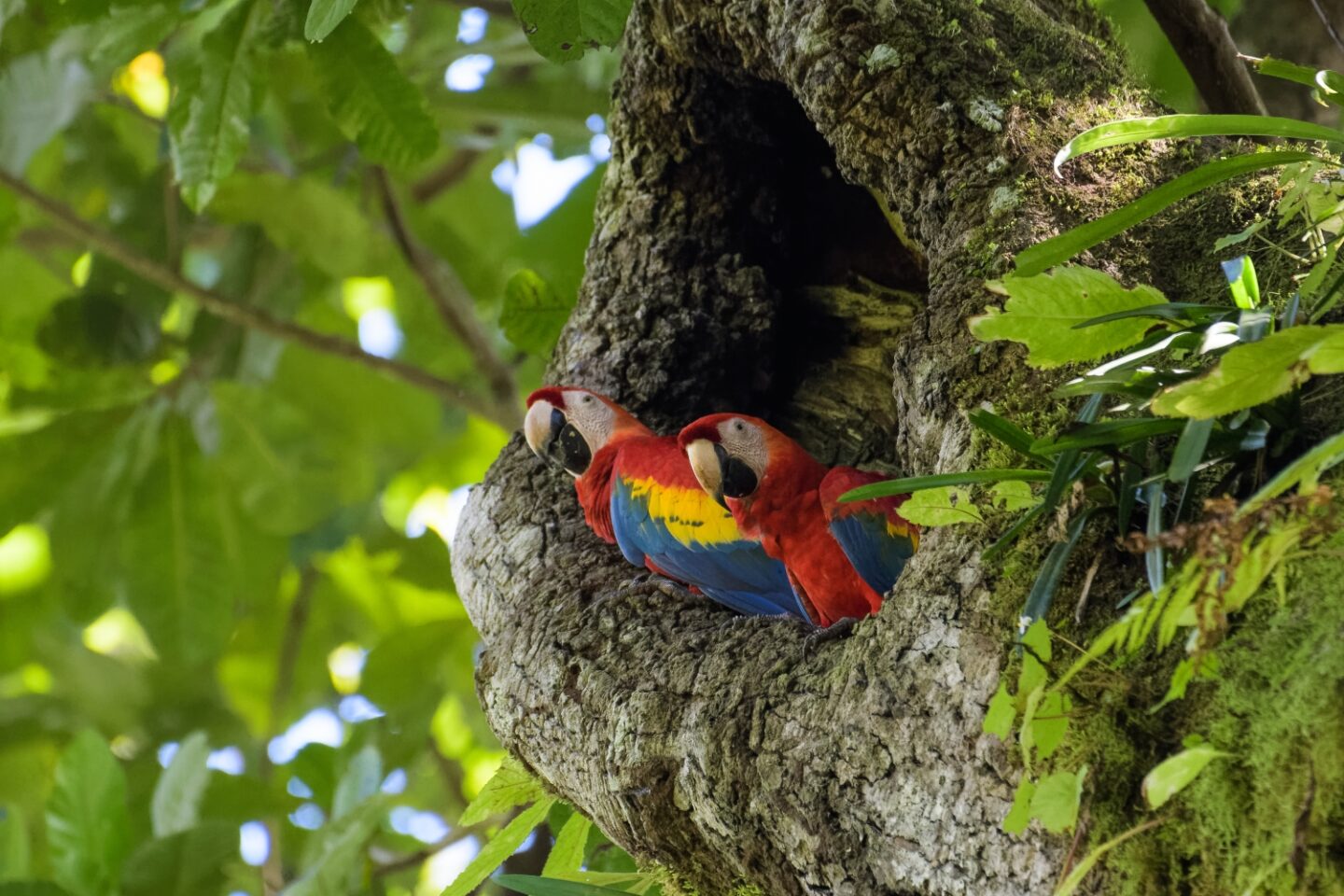
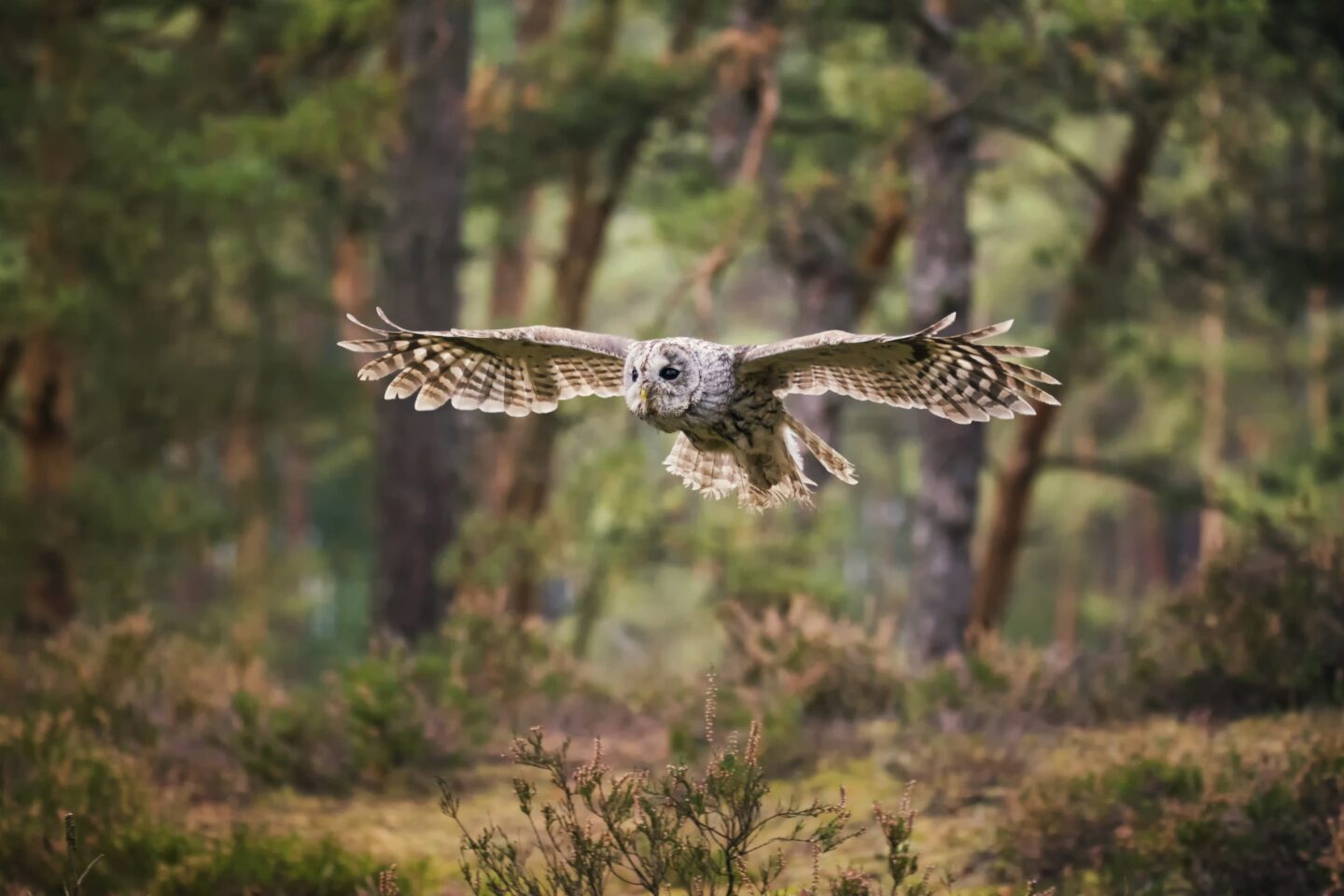
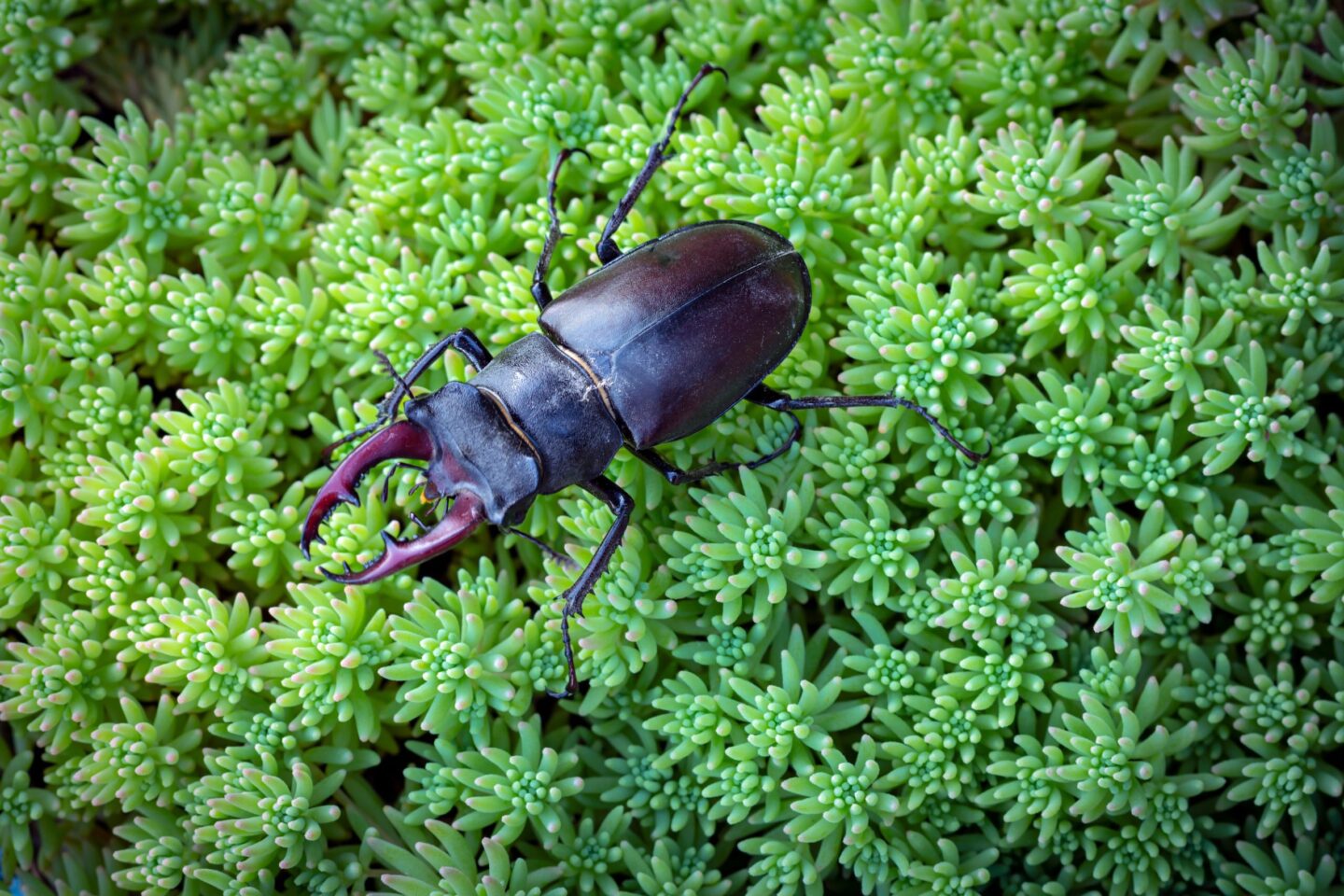
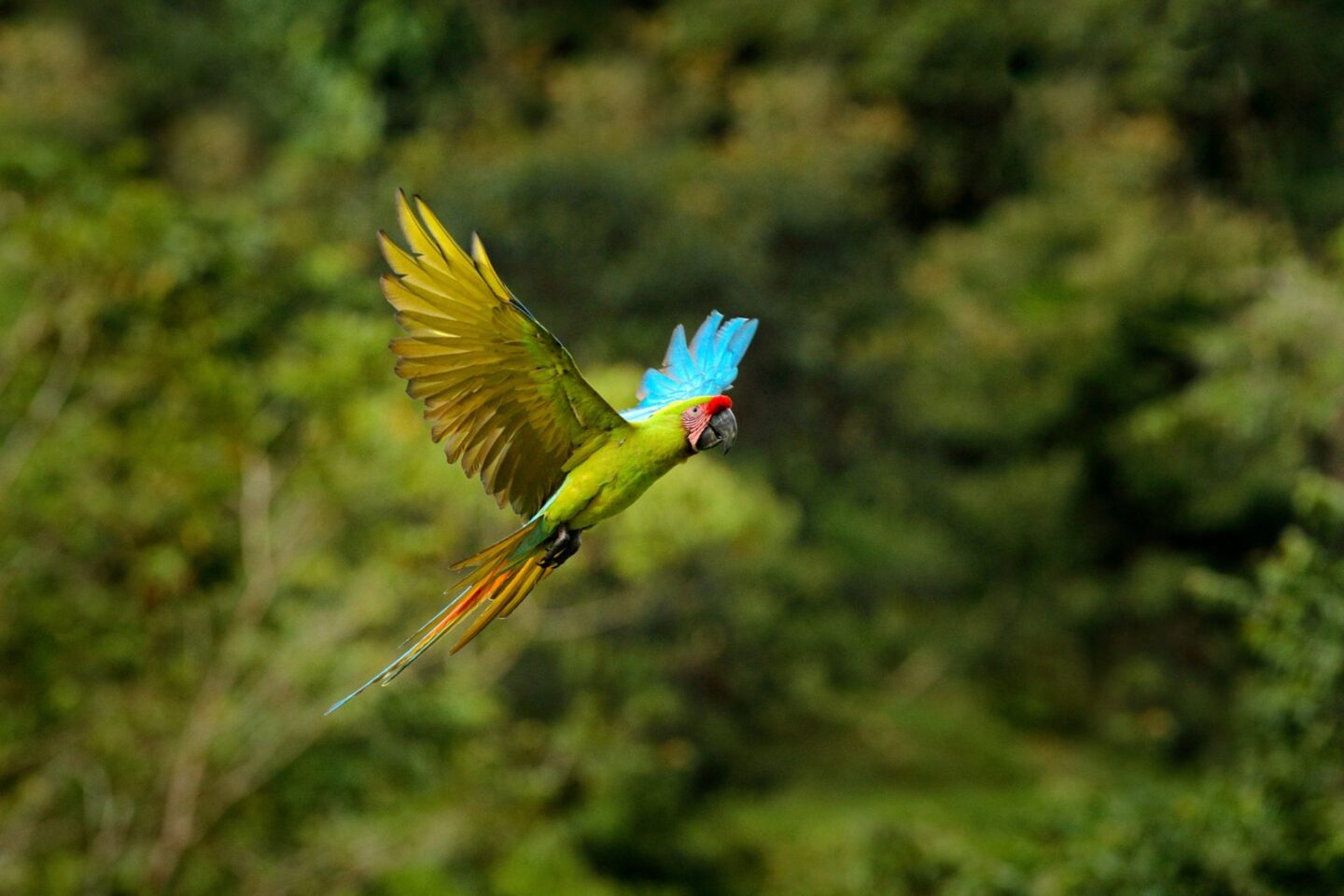
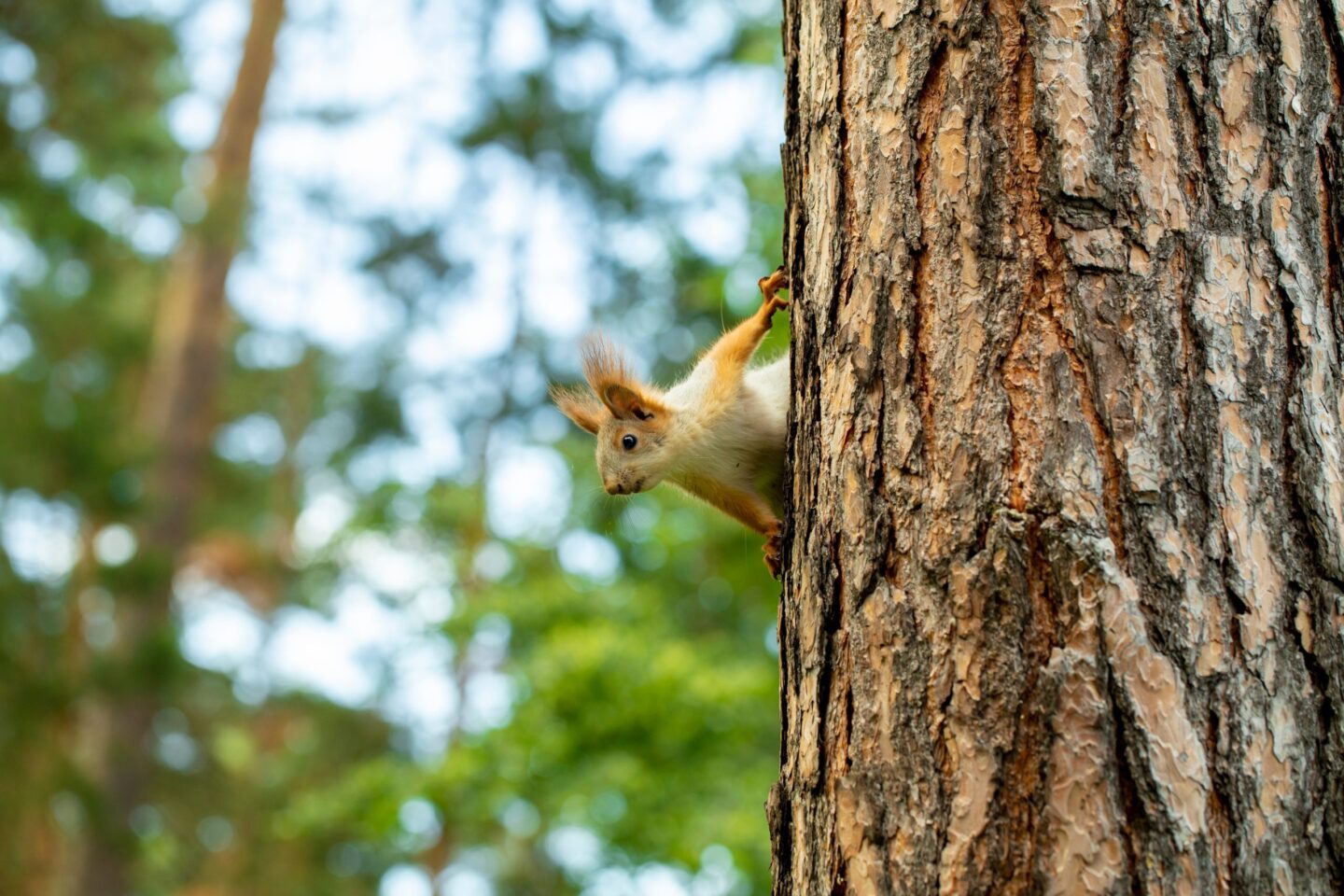
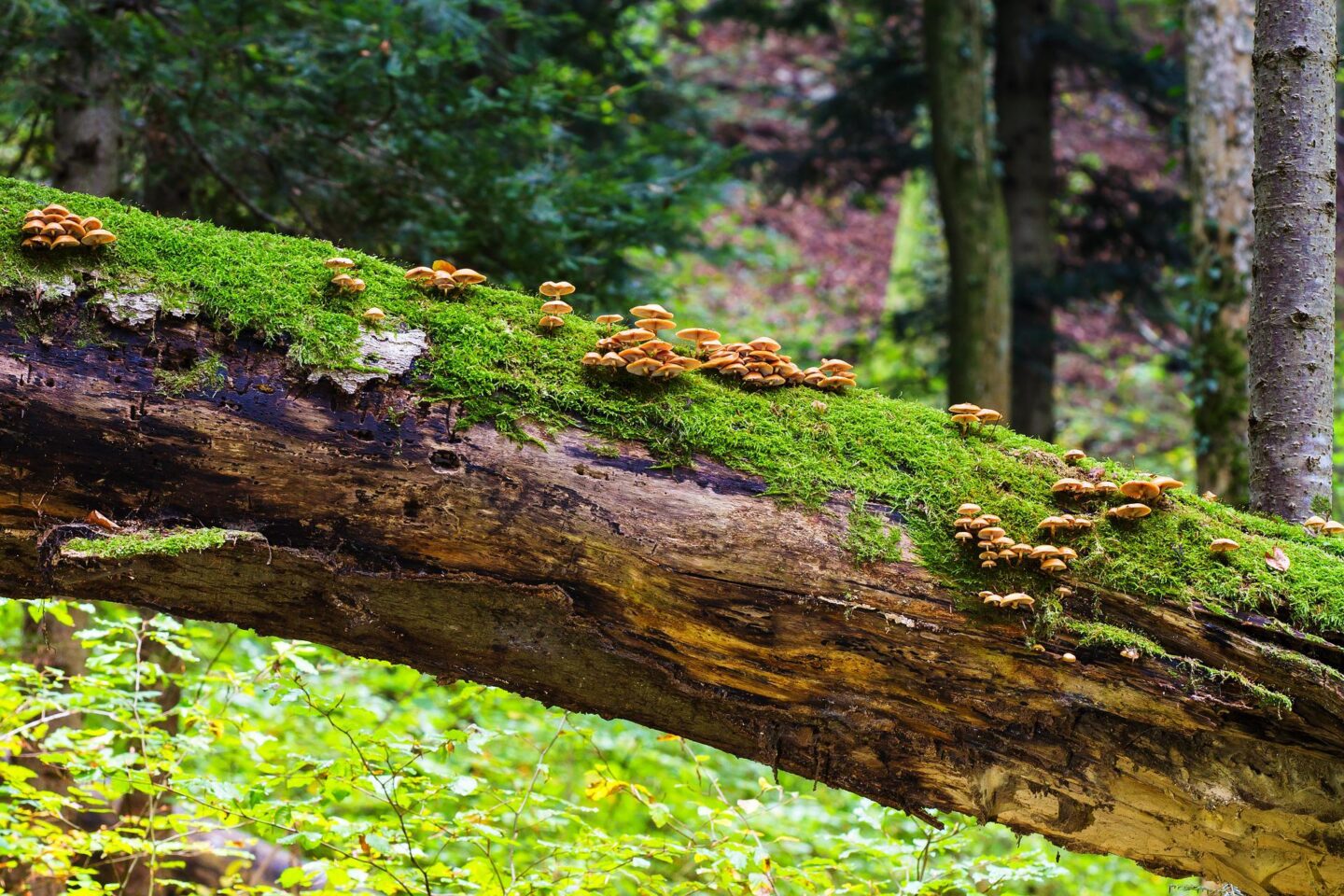
Plant a treeCountless plants and animals live in and around trees and forests. Moss grows on the bark, birds and bats brood in the cavities, insects and larvae hide under the bark, and birds and squirrels live in the crowns. And did you know that even dead trees are valuable to a forest? They provide food for fungi, beetles and ants, for instance. And when a tree dies, it releases minerals that can be used by other trees and organisms. So, the impact of just one species of tree can be huge!
Trees form the basis of many ecosystems. For example, they provide:
Healthy soil. Tree roots aerate the soil, retain rainwater and stimulate healthy soil. The leaves that fall on the ground are also an important source of nutrition for fungi, insects and other organisms that keep the soil healthy.
Water and a favourable (micro)climate. Trees provide shade and coolness, collect rainwater and reduce soil erosion (whereby the upper layers of soil are washed or blown away). They also ensure a stable (micro)climate, for example by creating damp surroundings where frogs, salamanders, dragonflies, ferns and mosses thrive.
Food. Trees provide nectar, fruit, seeds and leaves, on which countless species are dependent. An oak, for instance, can produce thousands of kilos of leaves, acorns and wood residues each year. This benefits birds, mice, insects, fungi and even large mammals.
Structure in the landscape. An ecosystem with trees consists of several “storeys”: from the uppermost crowns of the trees to the shrub layer and the forest floor. Different species are found in each layer, making forests some of the most species-rich places on earth.
Our projects in the Netherlands and abroad contribute to reinforcing and protecting biodiversity:
If you’d like to contribute to the conservation of unique nature and biodiversity worldwide, then please help us plant.
Plant a treeHoe meer bomen, hoe groter de positieve impact. Plant je ook mee?