Je bent nu op de Engelse pagina. Wil je naar de Nederlandse pagina? Klik dan hier.
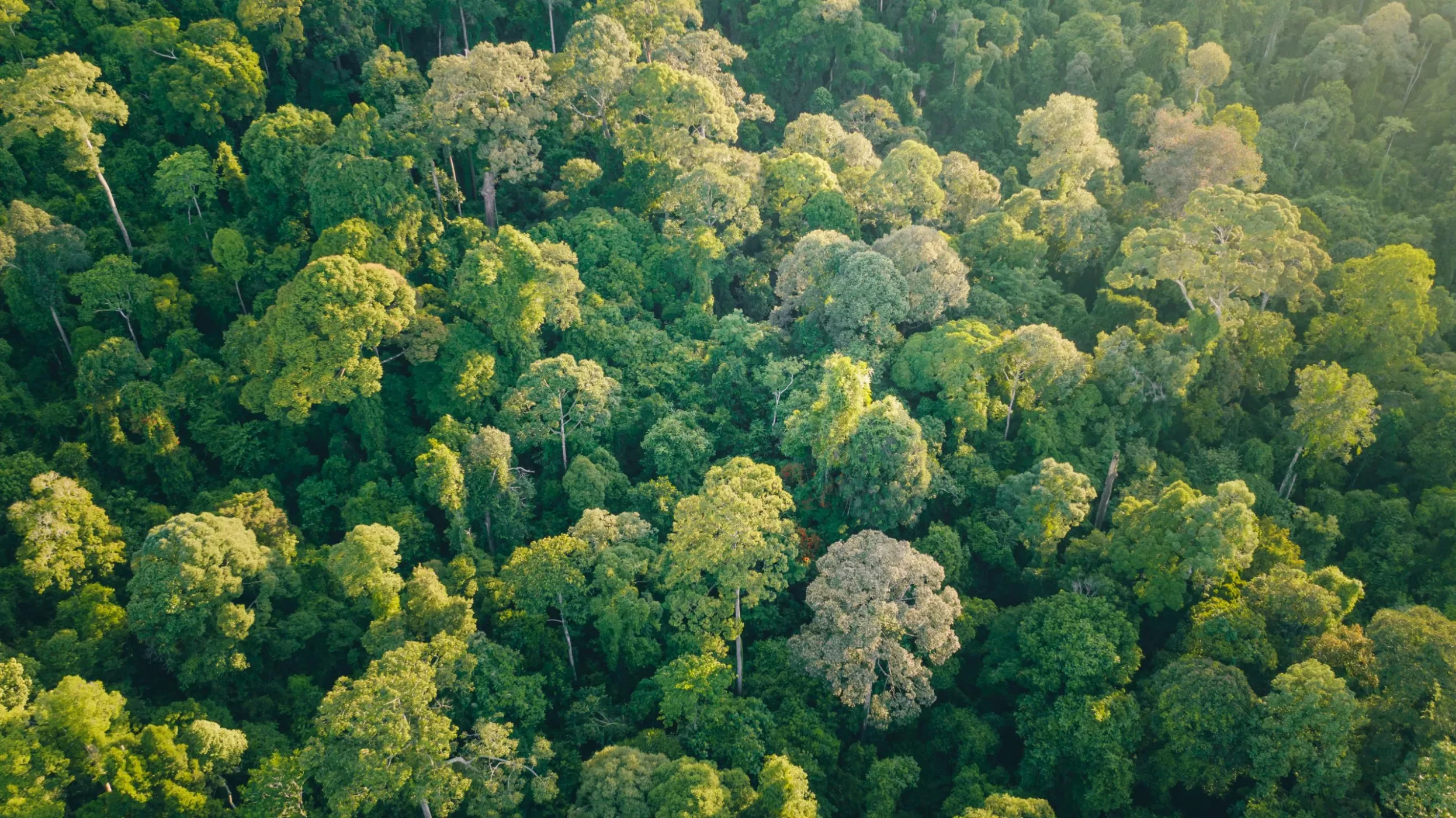
Regenwoud-borneo

The impact of trees on the climate

Trees create a more stable climate. They remove carbon from the air, produce oxygen, reduce the temperature on hot days and protect us against extreme weather. In short, by planting more trees and protecting forests, we can tackle climate change and make our surroundings healthier at the same time.

1. Trees sequester carbon and release oxygen

You’re probably familiar with the concept of photosynthesis; the process through which trees remove CO2 (carbon dioxide) from the air. They store the carbon (C) in their trunk, roots and branches and release the oxygen (O2) into the atmosphere. It’s no coincidence that trees are known as ‘the lungs of the earth’!

The amount of carbon sequestered by a tree depends on its species, location and age. The same goes for the amount of oxygen it produces. Roughly, we can say that one mature tree produces 100 kilos of oxygen a year. And it’s also thanks to trees that we can breathe in clean air, as they filter pollutants like particulate matter and nitrogen oxides from the air.

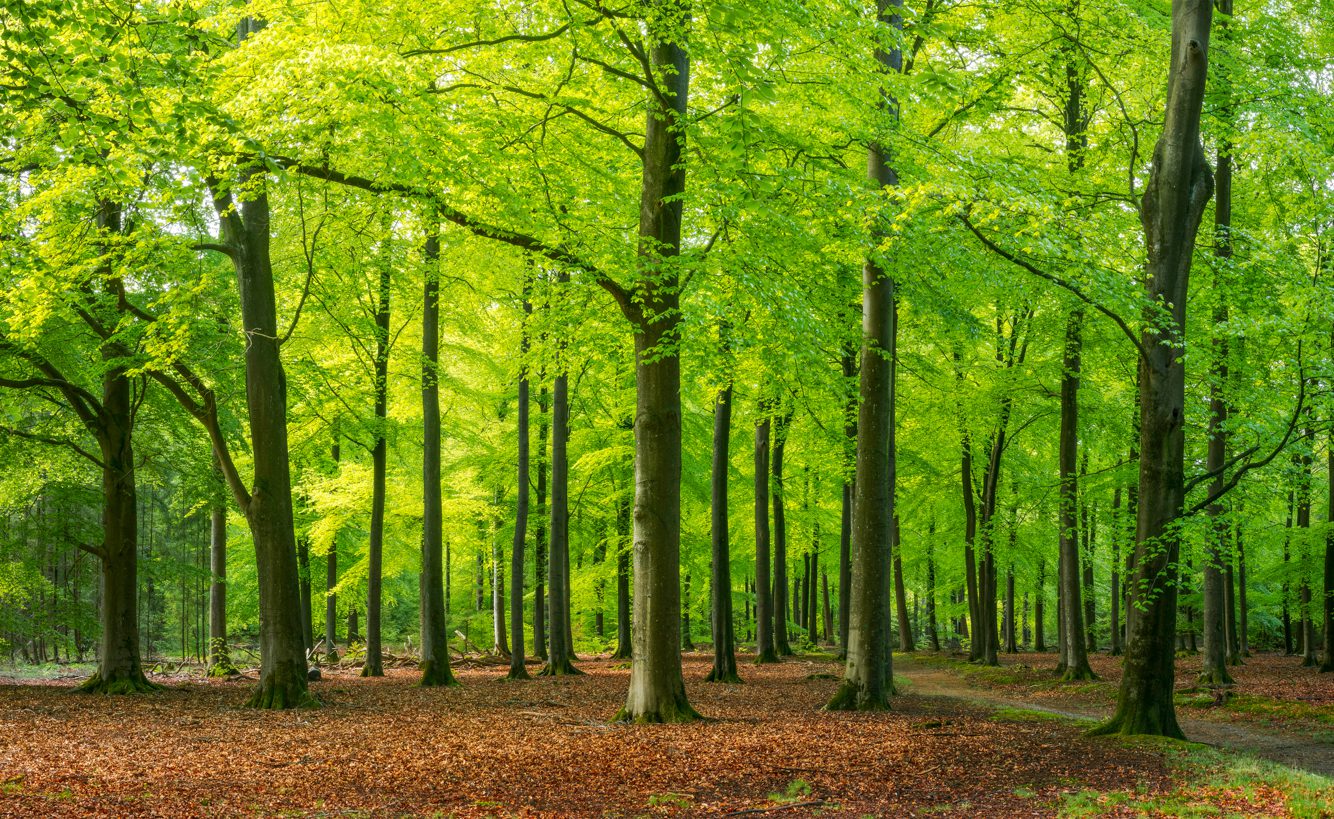
bos-epe

2. Trees reduce temperatures

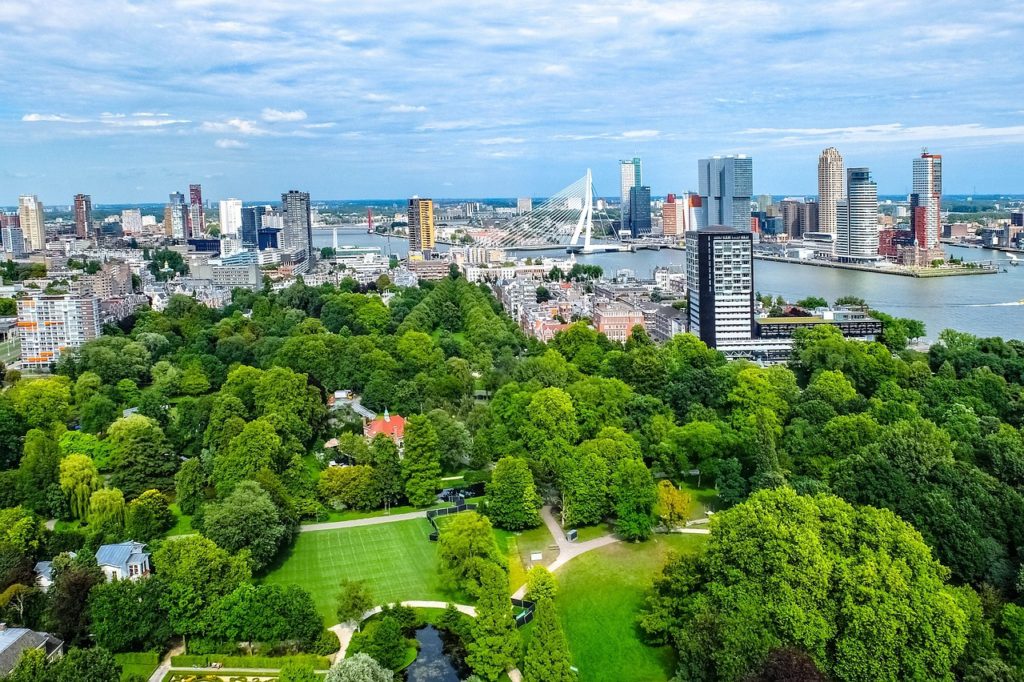
Another unique characteristic of trees is that they act as natural air conditioners. Wageningen University calculated that on a sunny day one tree has the same cooling capacity as ten air conditioning units!

This is because trees create shade, as well as cooling the air through evaporation: the process by which water evaporates from the leaves and removes heat from the air. So, planting trees is a natural solution for combatting heat stress in cities, for example. This is an important reason for us to work on making urban areas greener.

3. Trees protect us against extreme weather 

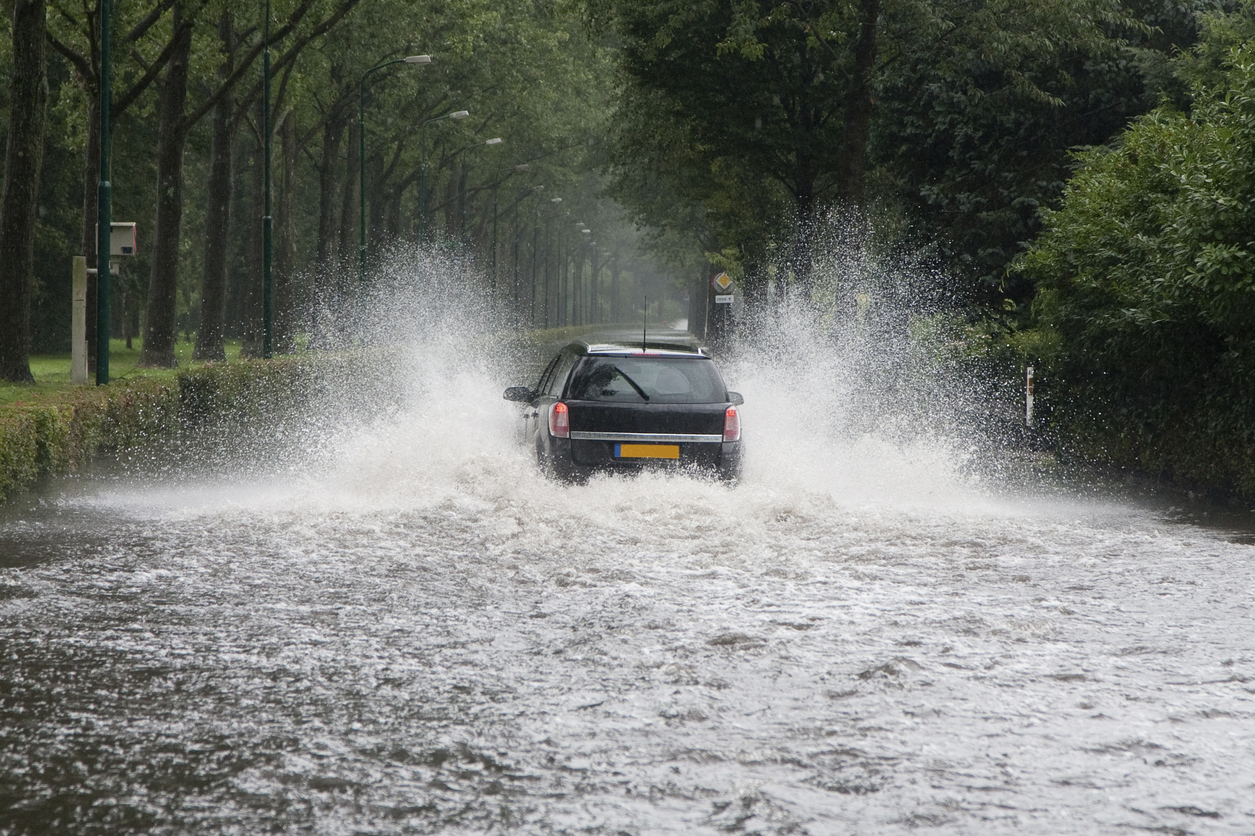
Climate change and the loss of nature means we’re having to deal more often with extreme weather conditions, like heavy downpours and drought. Trees play a special role in this, as they help prevent both flooding and drought.

Their leaves and branches collect rainwater and retain it temporarily. So, they reduce the force of a downpour and water doesn’t run off immediately. An average mature tree in the city can retain between 200 and 400 litres of water in its crown, according to Wageningen University & Research.  

But even more importantly, trees contribute to healthy and aerated soil conditions, which ensure that water can infiltrate the ground better – acting like a sort of natural sponge. This prevents precious water washing away over the land or through the sewers. Trees also ensure that rainwater is stored in the deeper soil layers, forming a useful buffer for drier periods.

piekbui

4. Trees improve biodiversity

Trees and forests provide food, shelter and habitats for millions of plants, animals and other organisms: from birds and insects to fungi and bacteria. This variation in all living things is known as biodiversity. Did you know, for instance, that a single native common oak is home to more than 400 species of insects? And that’s not even counting all the other creatures that live in and around a tree.

Biodiversity ensures strong ecosystems, which are areas where plants and animals form a whole with their habitat, all working together in harmony. In healthy ecosystems, carbon is sequestered better, the soil is more fertile, water is retained better and nature can deal better with extreme conditions like drought and heat. Healthy ecosystems also recover more quickly after a disruption. And that, in turn, contributes to a healthier and more stable climate.

More about trees and biodiversity

specht

The many positive characteristics of trees make them a powerful means for tackling climate change. Conversely, therefore, deforestation also has great consequences for the climate and our living conditions: 

  • Release of CO2. Trees store carbon in their branches, trunks and roots. If the forest disappears, then that carbon is released into the atmosphere, which reinforces the greenhouse effect and accelerates global warming.
  • Soil disturbance. The forest floor is damaged by deforestation. With no tree roots to hold the soil together, fertile soil or water washes away more quickly, due to rain and wind (i.e. erosion). This means that the soil can store less water and CO2.
  • Loss of oxygen production. Trees convert CO2 into oxygen. So fewer trees means less oxygen for plants, wildlife and people.
  • Less biodiversity. Deforestation deprives all sorts of plants and wildlife of their habitat. This weakens all the ecosystems that actually help regulate the climate, healthy soil conditions and water availability.

Major causes of deforestation are agriculture, livestock farming, forest fires and the building of infrastructure. Besides planting new forests, other important steps in tackling climate change are the prevention of deforestation and the protection of existing forests. That’s why we pay a great deal of attention to these points in our projects. Take, for instance, the way we plant trees in combination with sustainable forms of agriculture, fire prevention and forest protection.

Plant with us
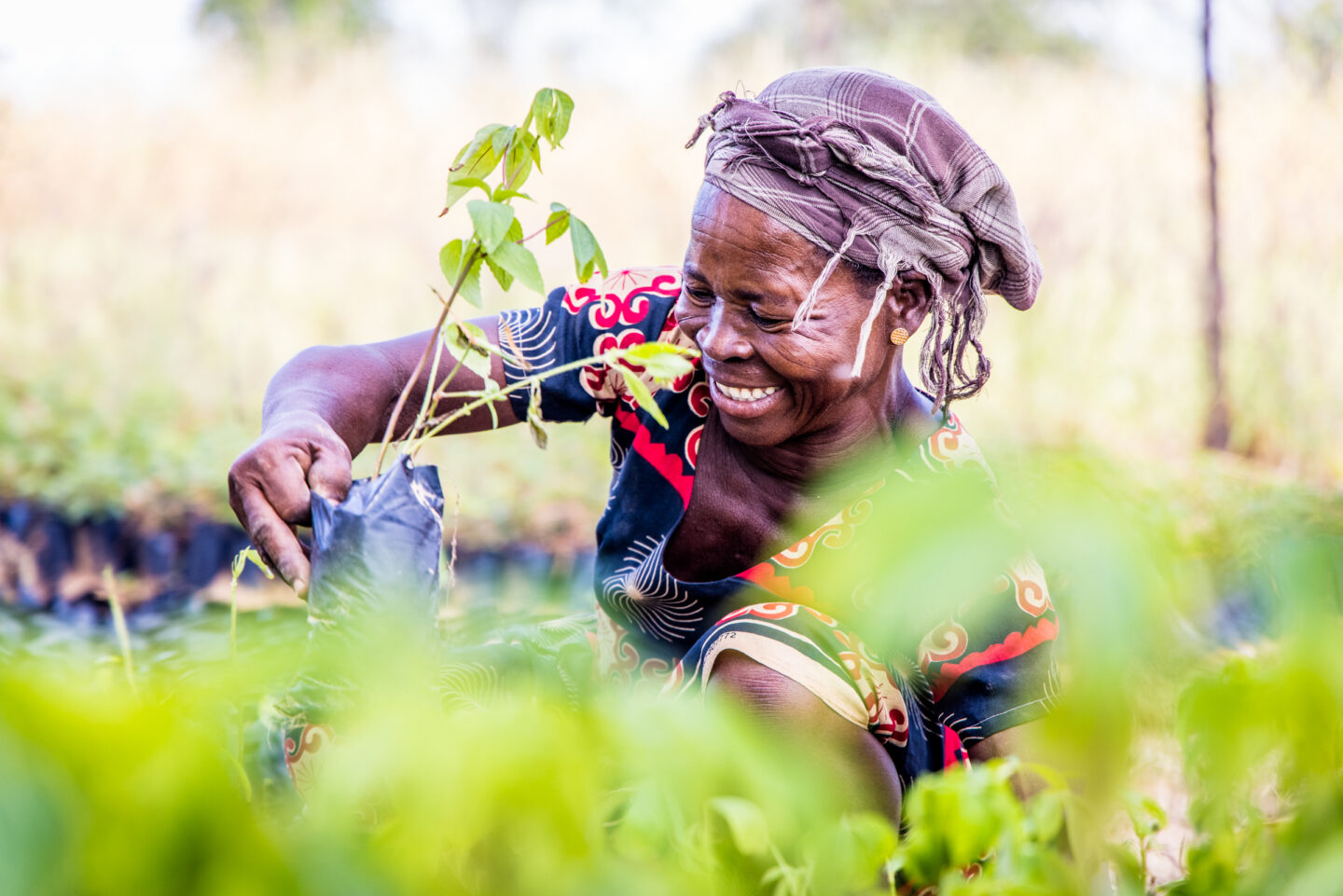
opmeer-ghana-bomen-planten
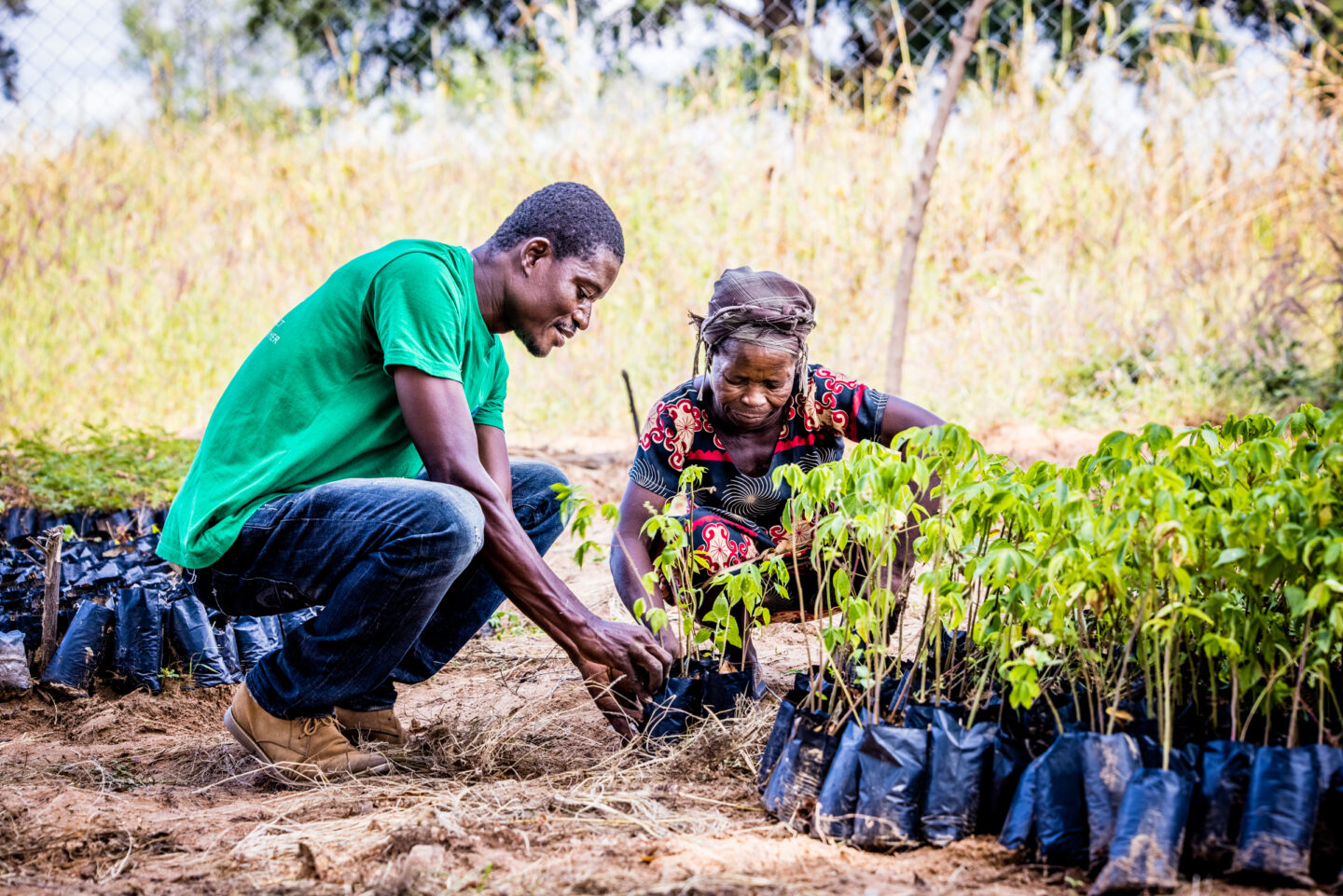
Opmeer-ghana-tree-aid
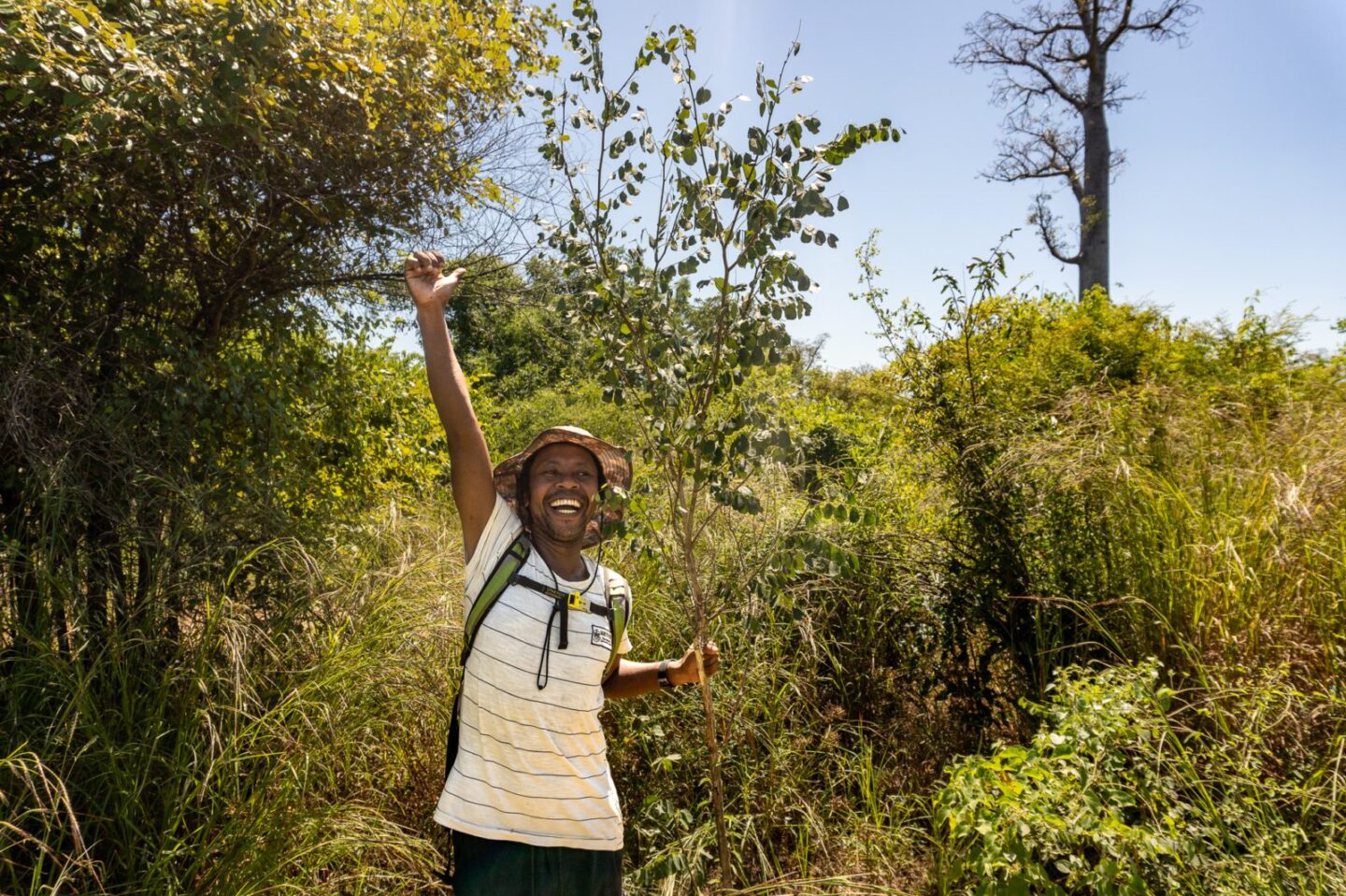
madagaskar
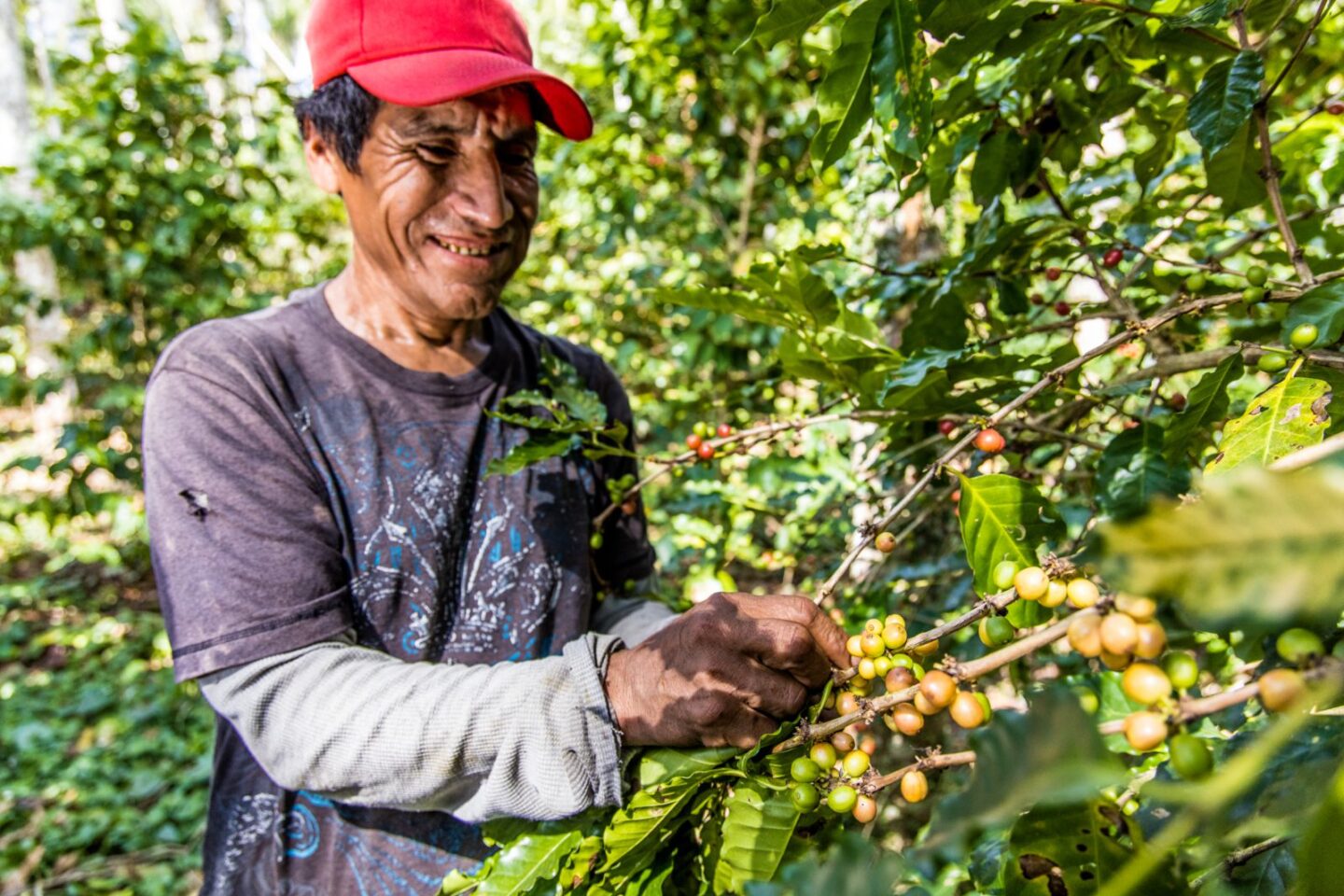
koffieboer-bolivia
bomen-planten-sulawesi

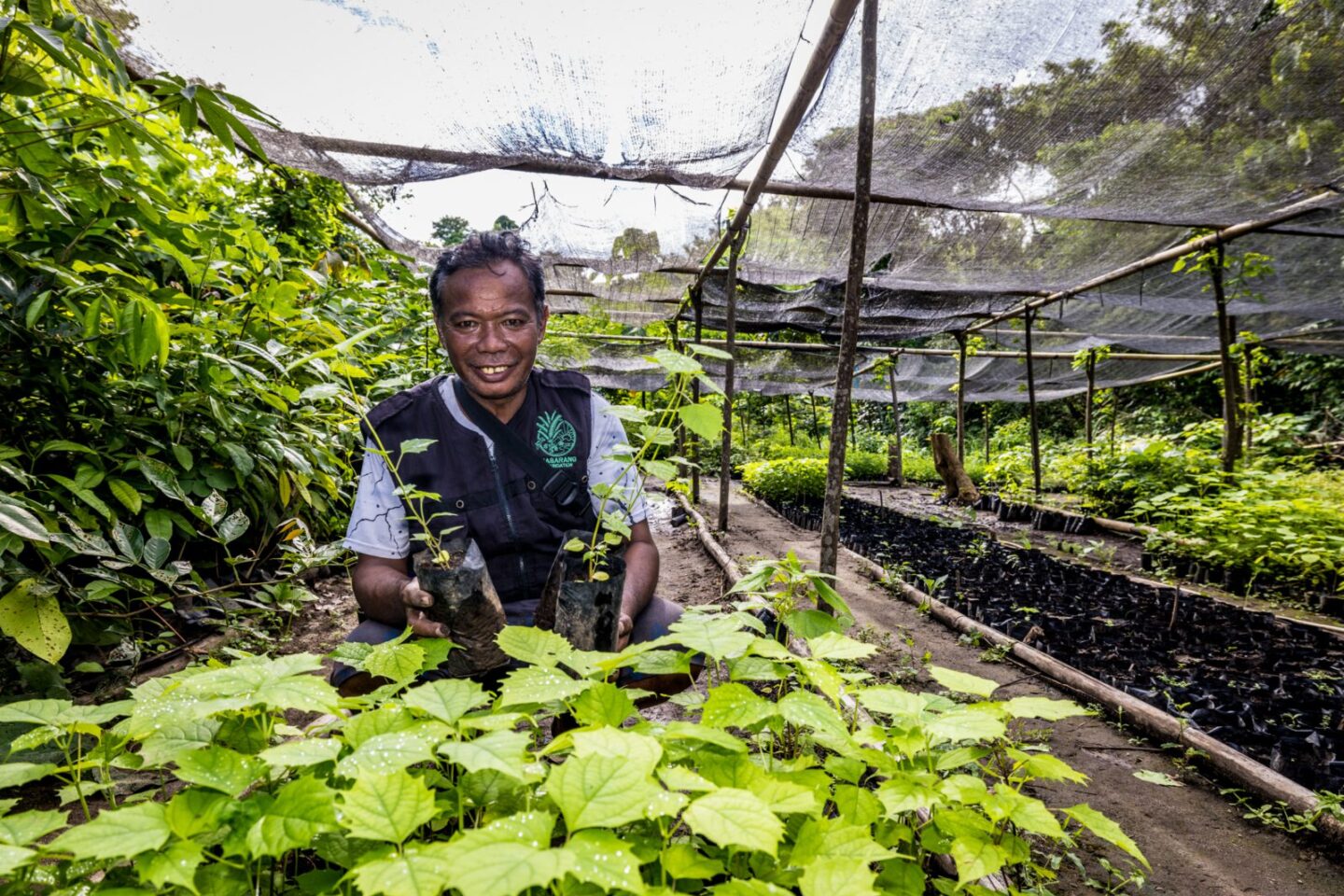
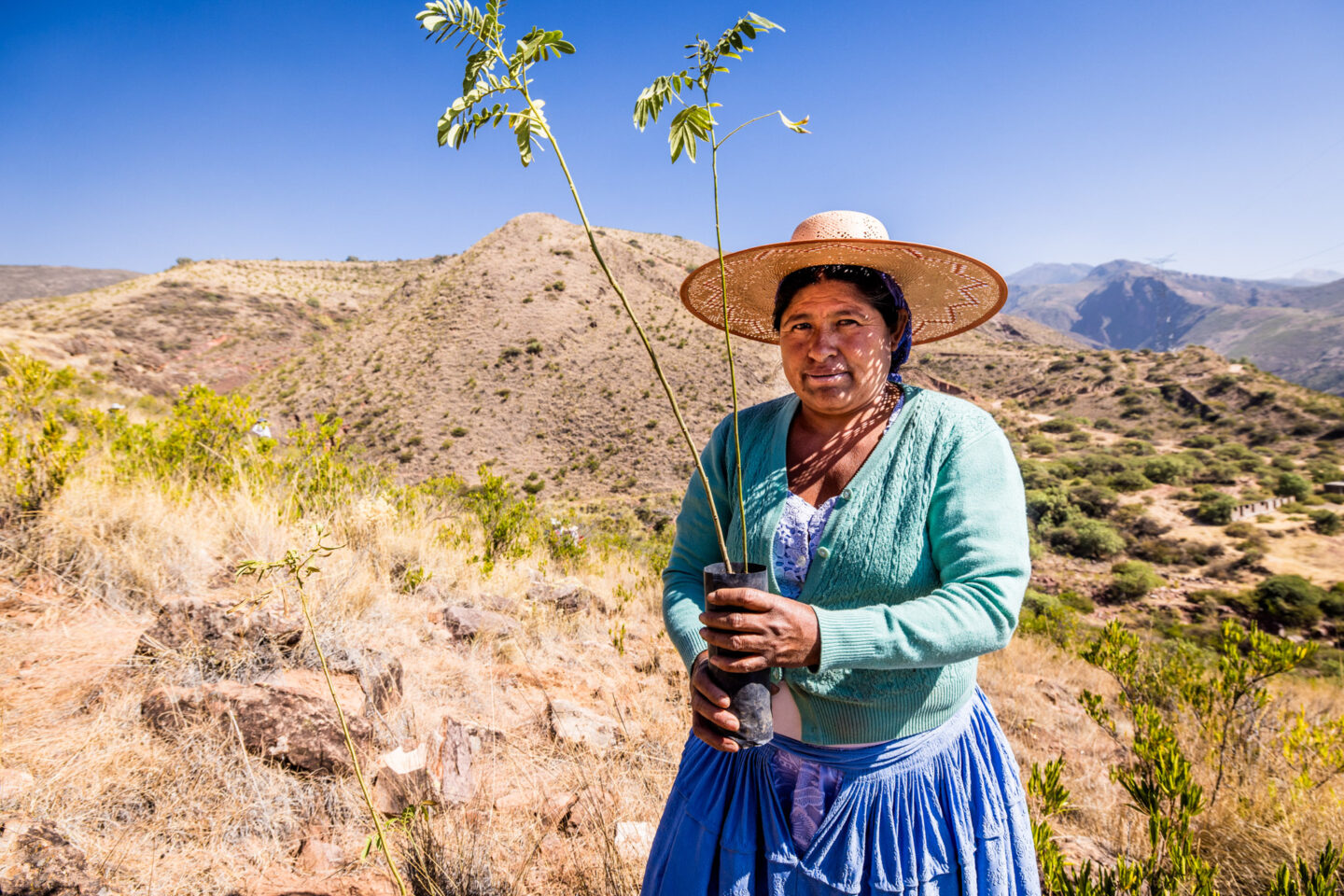
In order to contribute to a better climate, Trees for All plants trees all over the world: from the Dutch countryside and cities to the tropics. It’s crucial that the right tree grows in the right place, so that the trees have real added value for the local surroundings.

We therefore plant as many native and local species of trees as possible; species that occur naturally in a region or have been growing there for many years. We also pay attention to species that suit the changing global climate. And last but not least, we ensure that the trees we plant are managed and protected well. That way the trees we plant today will benefit future generations as well!

More about our projects