Tanzania (Pemba)
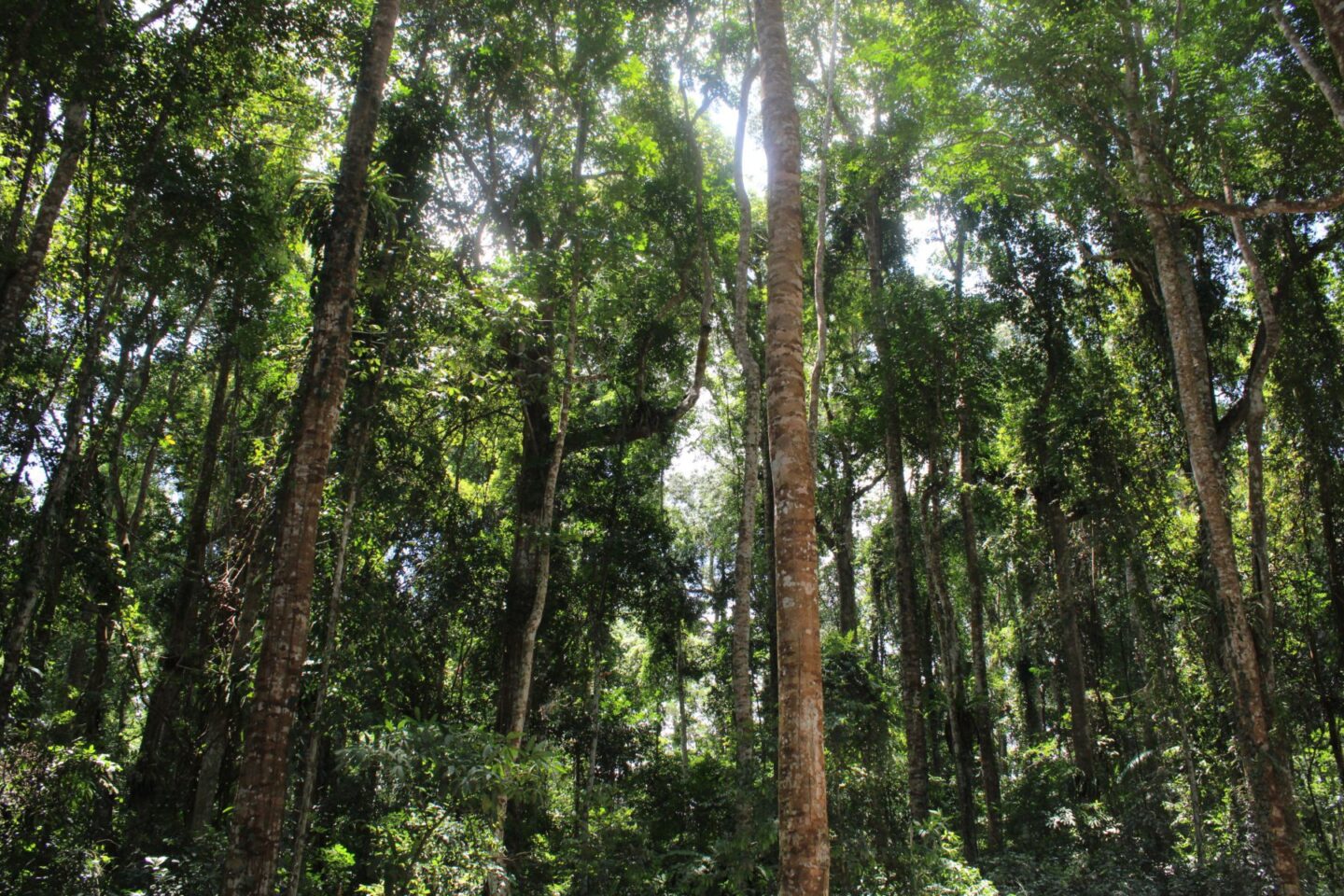
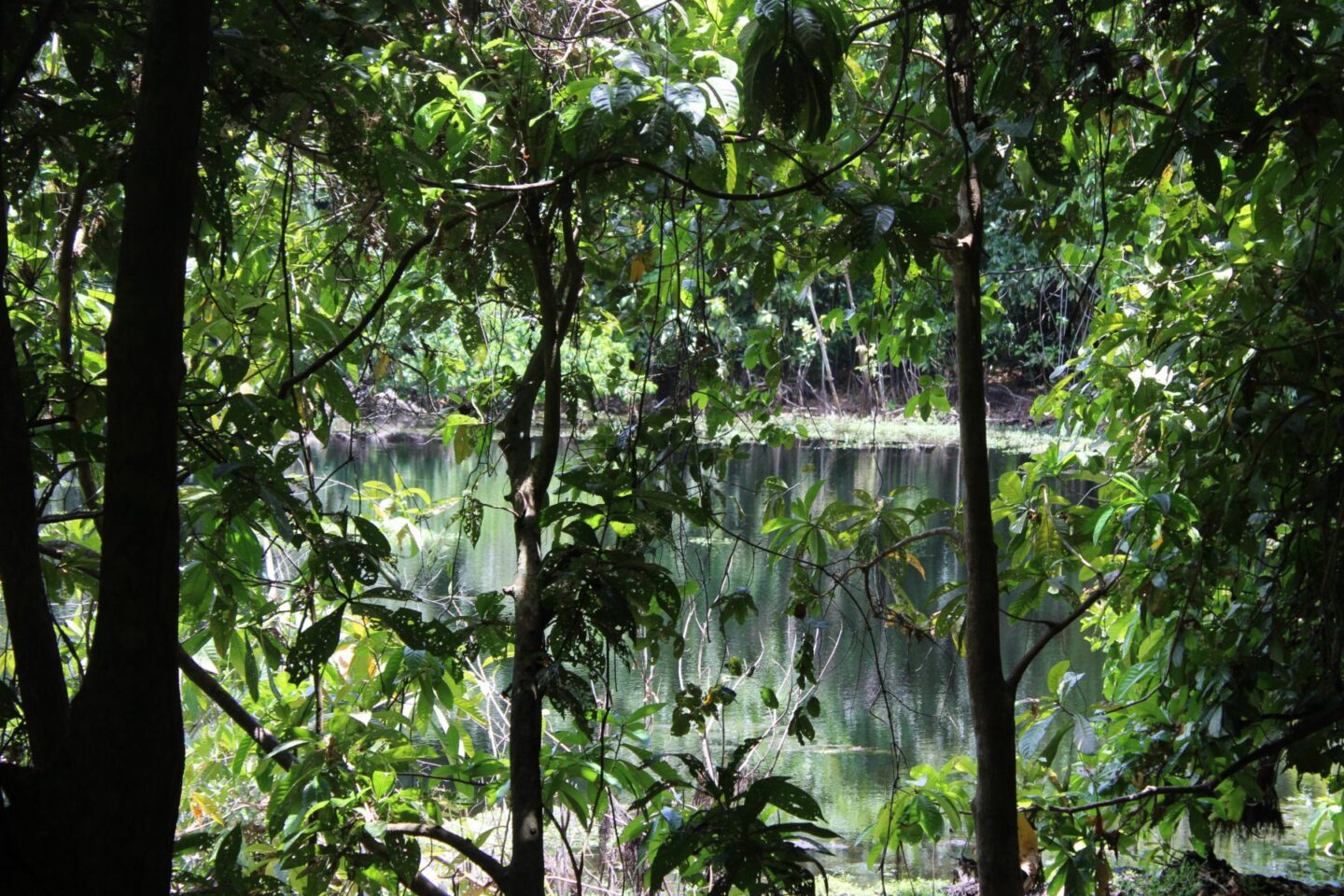
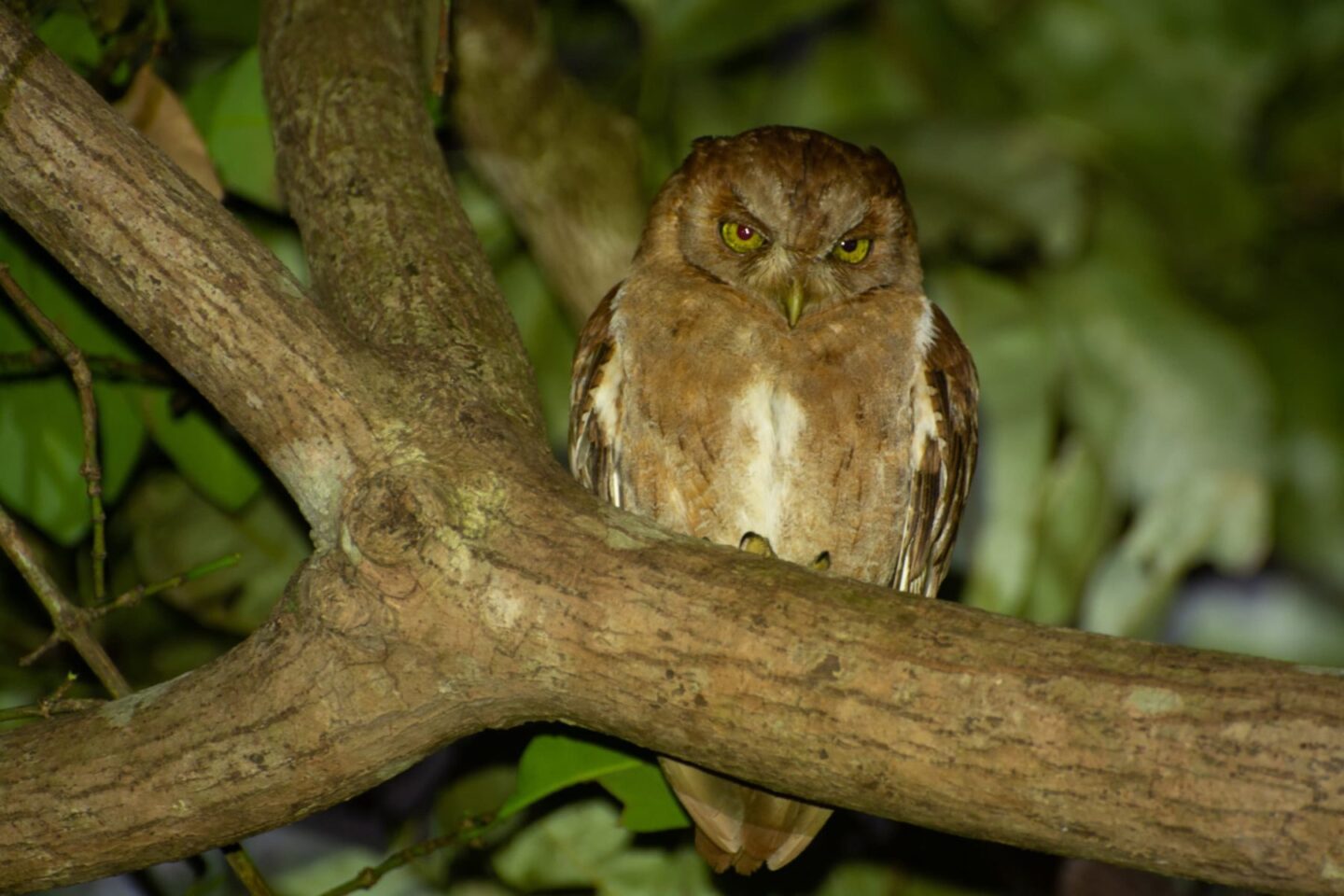
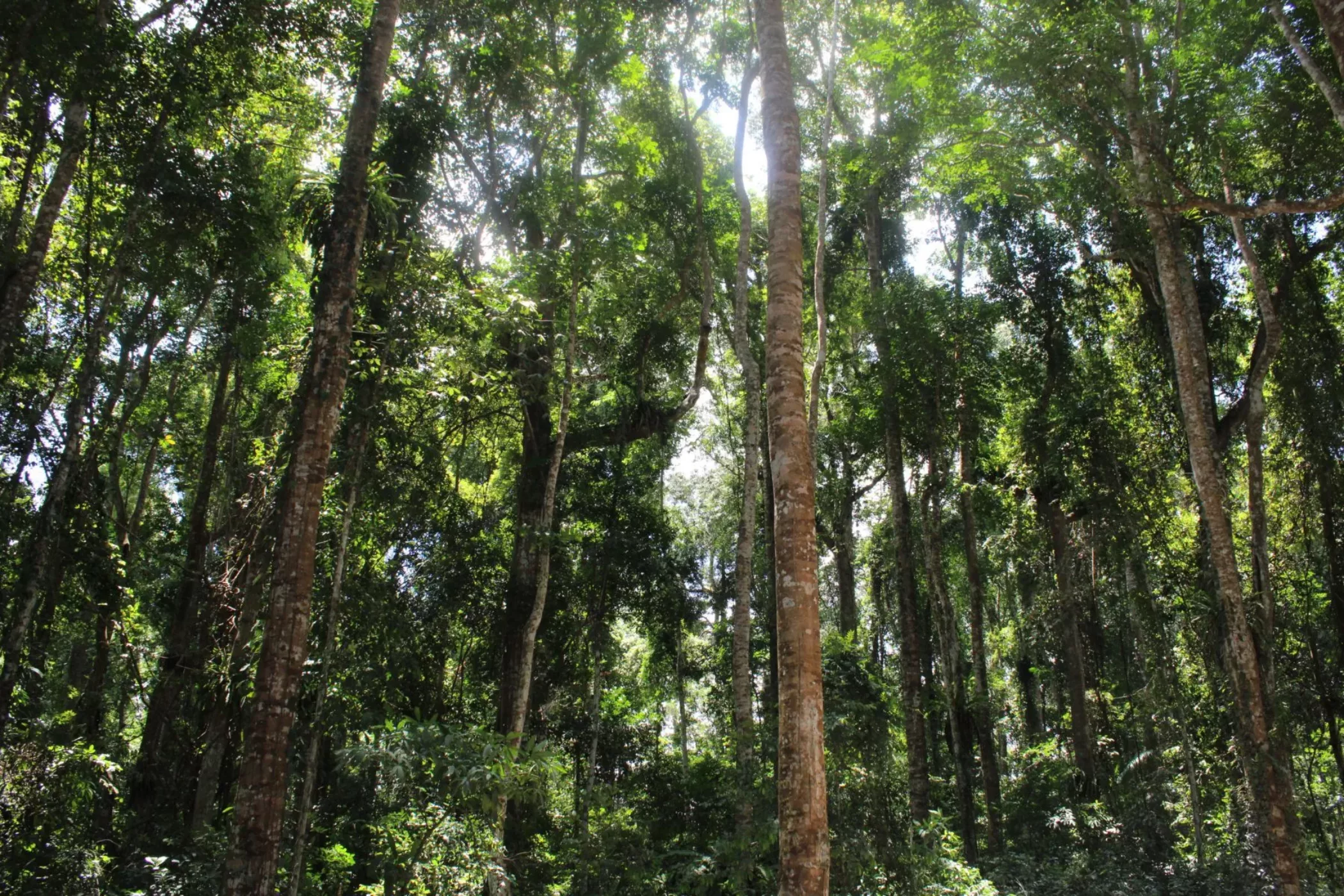
Trees for All supports local communities in Tanzania in protecting and restoring the forest in the Ngezi Vumawimbi Nature Reserve.

Trees for All supports local communities in Tanzania in protecting and restoring the forest in the Ngezi Vumawimbi Nature Reserve.

new trees
hectares of land

planting period
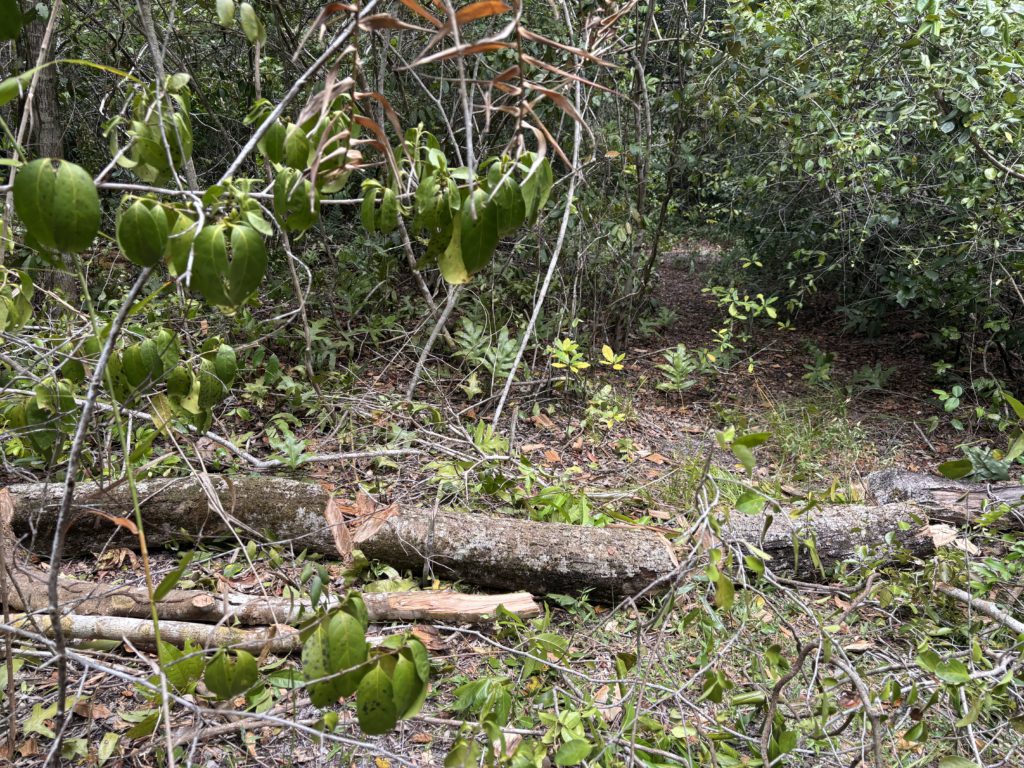
To protect the reserve better, Oikos focuses on tackling illegal activities within the forest, such as land clearing for agriculture, hunting and commercial logging. But that is not all.
Many families in Pemba live in dire poverty. They use the forest for their firewood, lumber and wild fruit. For generations, local communities used the forest sustainably. However, as the population has grown, the forest has come under increasing pressure. This should be taken into account if we want to restore the forest successfully. So, we work towards a solution which contributes to both restoration of nature and sustainable livelihoods for the people in the region: a combination of sustainable agroforestry and creating woodlots.
Together with Oikos, we are launching a pilot project with farmers living just outside the reserve to introduce agroforestry. This is a form of sustainable agriculture, in which planting trees is integrated with crops on the same land:
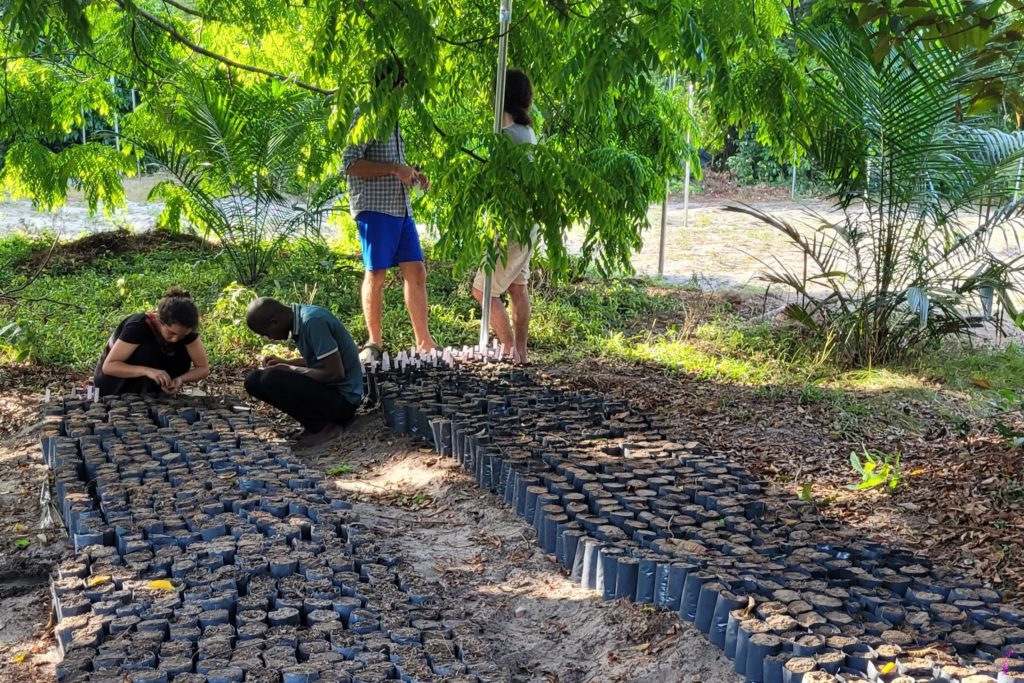
Part of the farmers’ land will be set up as woodlots. This is a site where they plant trees especially for use as firewood. They are fast growing trees which re-sprout quickly after wood harvesting, ensuring a sustainable supply of firewood.
In this way, we help reduce pressure on the reserve while ensuring that farmers have a sustainable supply of firewood for their households.
Instituto Oikos is an international non-profit organization, has been active in Tanzania since 1996. Oikos works on projects aimed at nature conservation combined with community development. In implementing these, local communities and authorities (such as the Ministry of Agriculture) are closely involved.
Previously, Oikos launched the successful PURE programme to make communities more resilient against the consequences of climate change. For example, local communities receive support to improve water supplies and develop sustainable waste management systems. The program was possible also thanks to support from the European Union and enabled Oikos to become officially registered with the Government in Zanzibar. This enabled Oikos to expand its activities from its permanent office in Wete, including the GREEN programme.
The activities that Trees for All supports are part of this GREEN programme. Within this scope, Oikos works at forest protection, combating poaching, education, awareness, involvement of local communities and responsible tourism around the reserve.
The trees will be planted on farmland just outside the Ngezi Vumawimbi Nature Reserve on the Tanzanian island of Pemba.