Je bent nu op de Engelse pagina. Wil je naar de Nederlandse pagina? Klik dan hier.
le-lesme-1

France

Trees for All and Sylva Nova are working in Le Lesme to restore and strengthen existing forest. We are transforming a monoculture into a diverse forest that is more resilient to climate change, with a positive impact on biodiversity.
Status: Current project

Restoring and strengthening existing forest in Le Lesme

The planting area in Le Lesme looks very green from above, because the plot where we are planting is part of a large forest. However, this does not automatically mean that the forest is strong and healthy. It consists mainly of spruce trees, which were planted in rows.

This type of monoculture is found in many places across Europe. Due to the lack of diversity, they are vulnerable to drought, diseases and pests. To make these forests stronger and more resilient, it is important to introduce a mix of tree and shrub species. If we do not, mainly spruce trees will grow back.

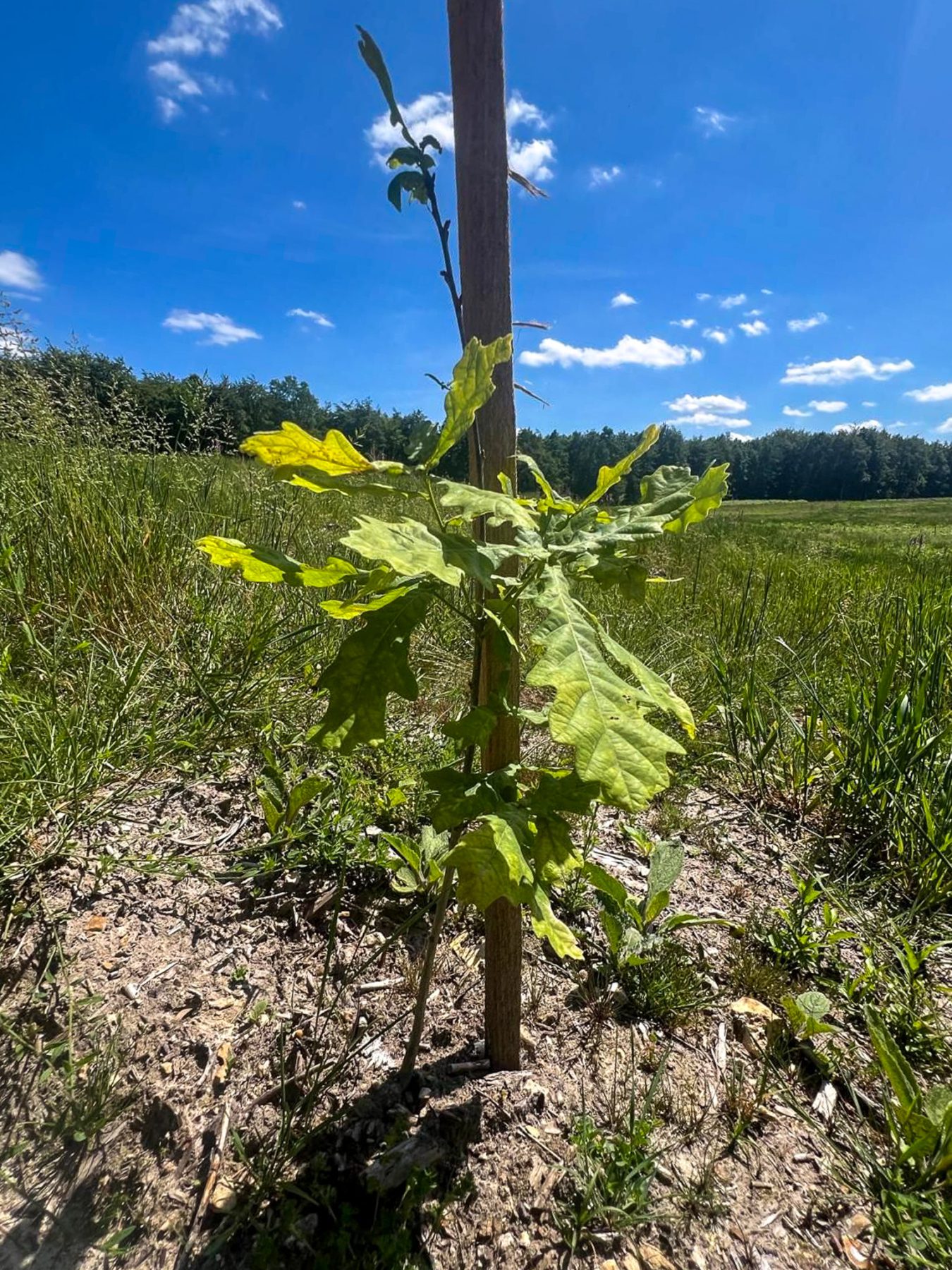
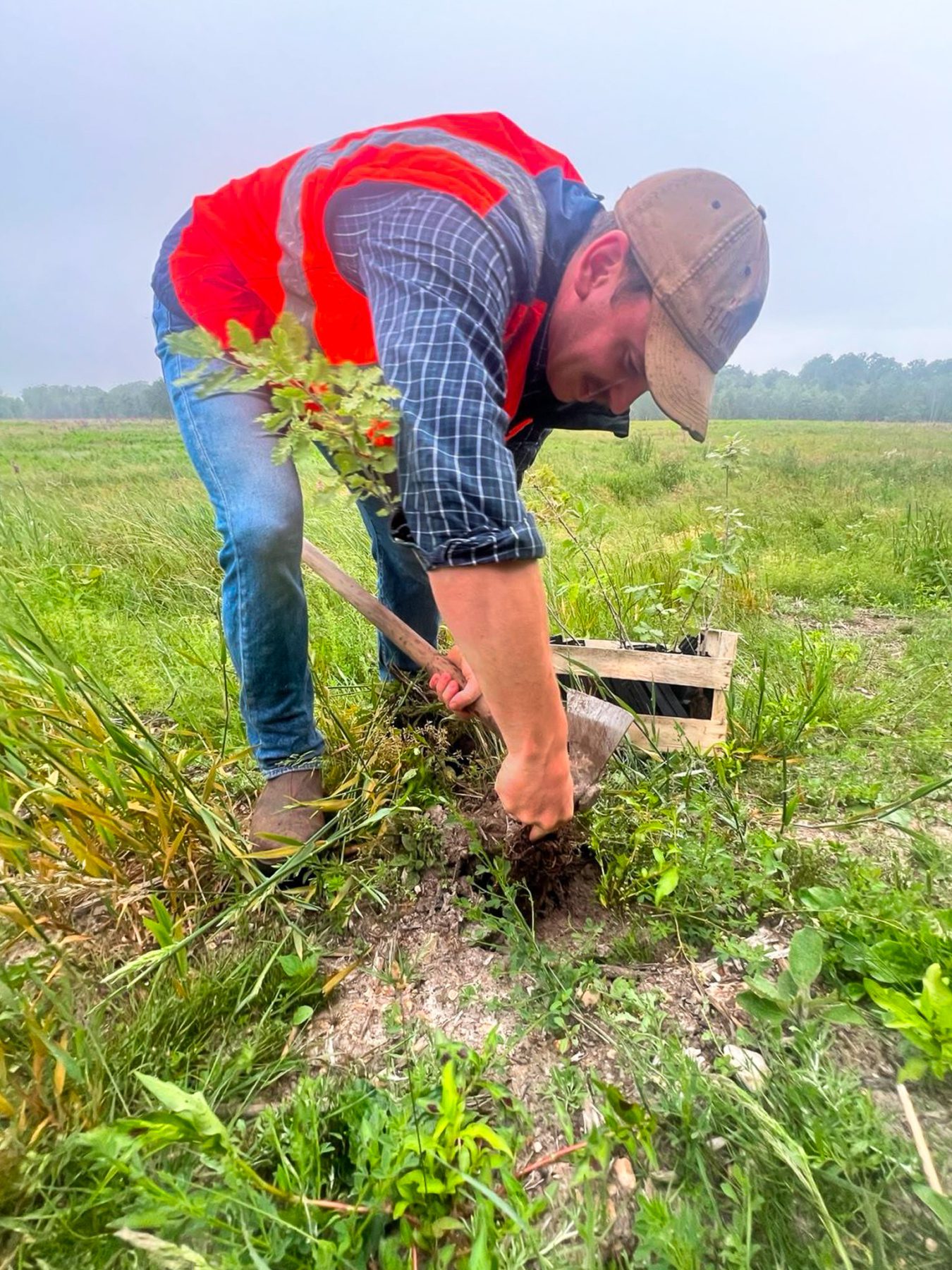
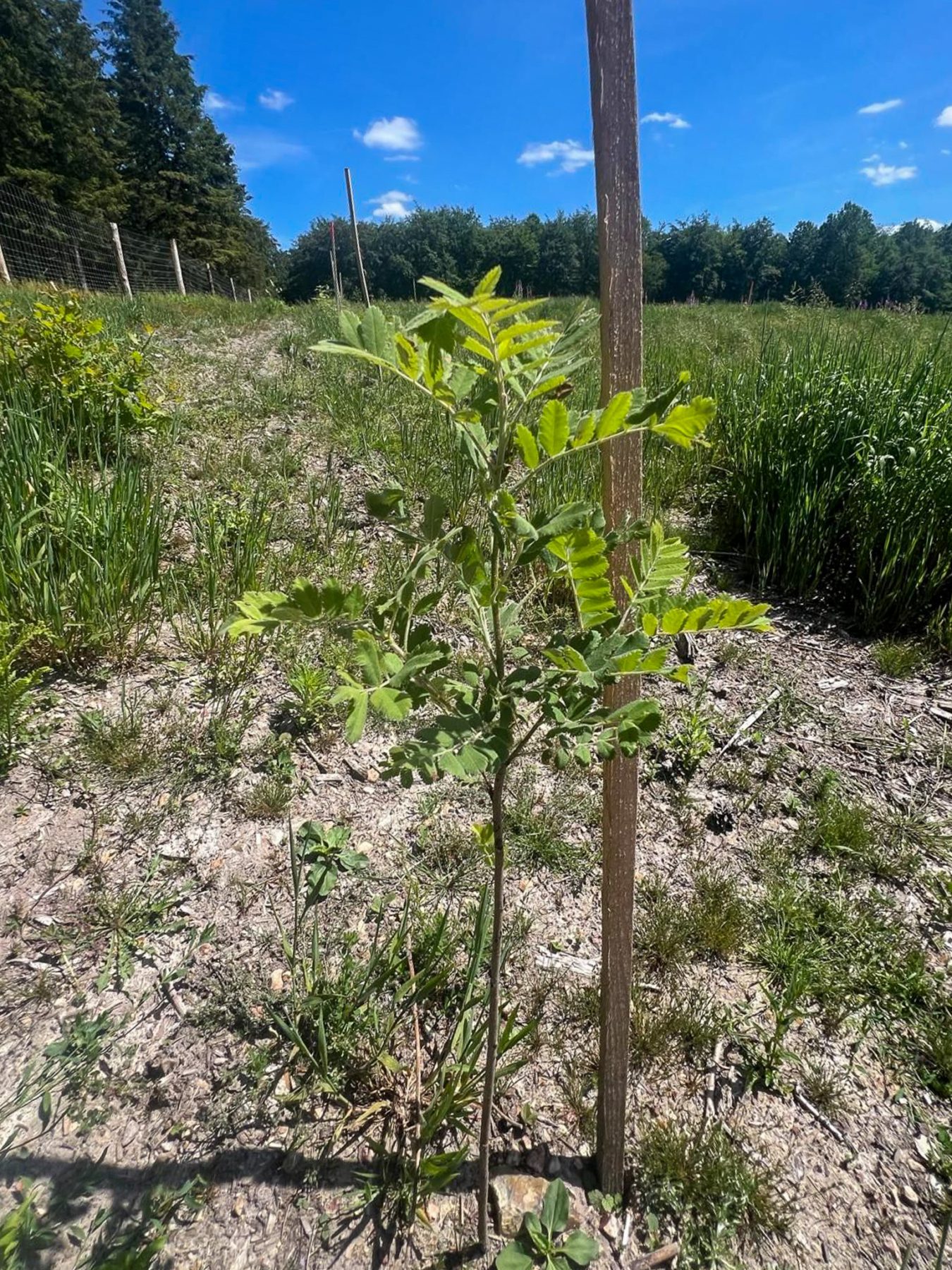
Together with Sylva Nova, we are therefore planting species such as sessile oak, hornbeam and rowan. These native species belong in this region and are well adapted to the soil and environment. This way, we are creating a stronger and more resilient forest which can withstand the challenges of the future.

Participate in our forest projects

  • Enter a number
  • Enter a number
  • Enter a number
  • Enter a number
  • You will be kept informed about your trees with Track & Trees.
  • You will receive an invitation to plant your own trees during a tree planting day.
  • You will (optionally) receive a mailbox tree. We get trees from you, you get a tree from us!

The project in numbers

icon-moederboom

0

trees

icon-hectare-bos

0

hectares

icon-boomsoorten

0

new tree and shrub species

icon-aanplant

0 0

planting period

Why is a diverse forest so important?

More diversity in tree species makes a forest stronger and healthier:

  • A more resilient forest. Different tree species respond differently to drought, diseases and pests. If one species is struggling, the other species still remain and help keep the forest healthy and functioning.
  • More biodiversity. Native species provide food and shelter for plants, insects, birds and other animals that naturally occur in the area. They therefore play an important role in strengthening biodiversity.
  • Healthy soil. Native species are well suited to the local soil. They help prevent soil erosion and contribute to fertile soil: the foundation of a strong and climate-resilient forest.lpen bodemerosie voorkomen en dragen bij aan een vruchtbare bodem: de basis voor een sterk en toekomstbestendig bos. 

New young trees in Le Lesme

The planting location

We are planting the trees around the municipality of Le Lesme, in the Normandy region of northwestern France. It is part of a large forest area known for its oak and hornbeam forests and extensive natural landscapes. Several walking trails run through the area, making the forest important not only for plants and animals, but also as a pleasant place for recreation. The forest is also located within the Seine river basin, which contributes to diverse soils and provides favourable conditions for a wide variety of tree, plant and animal species.

The planting location from above. The trees will be planted in the grey area.
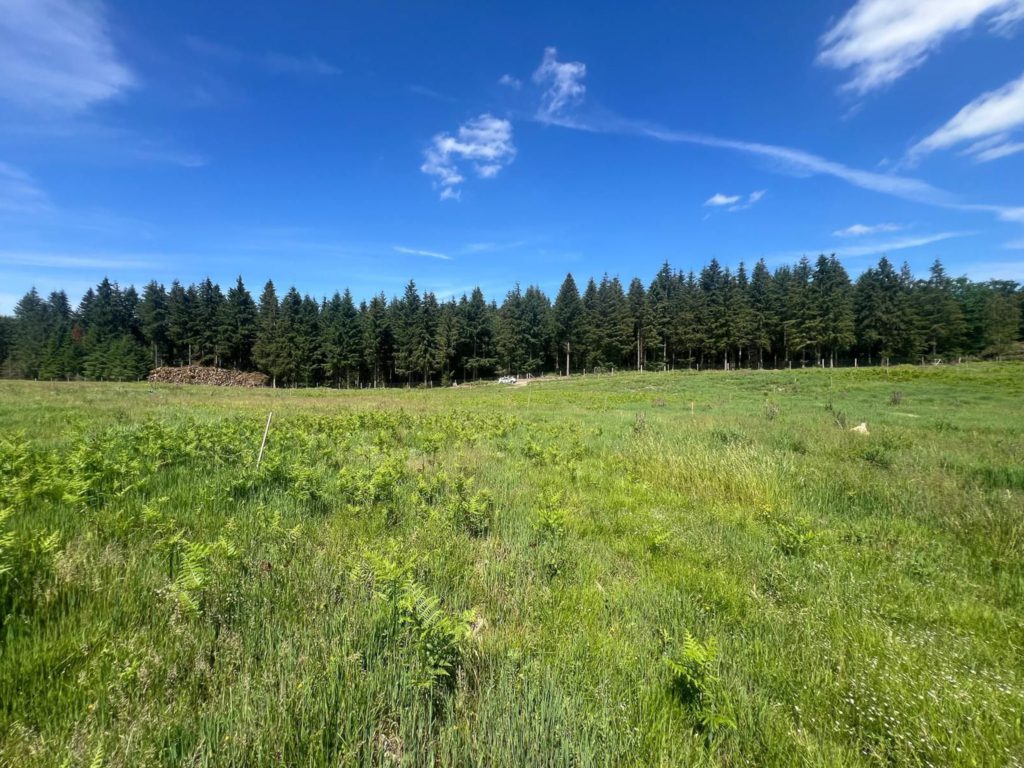
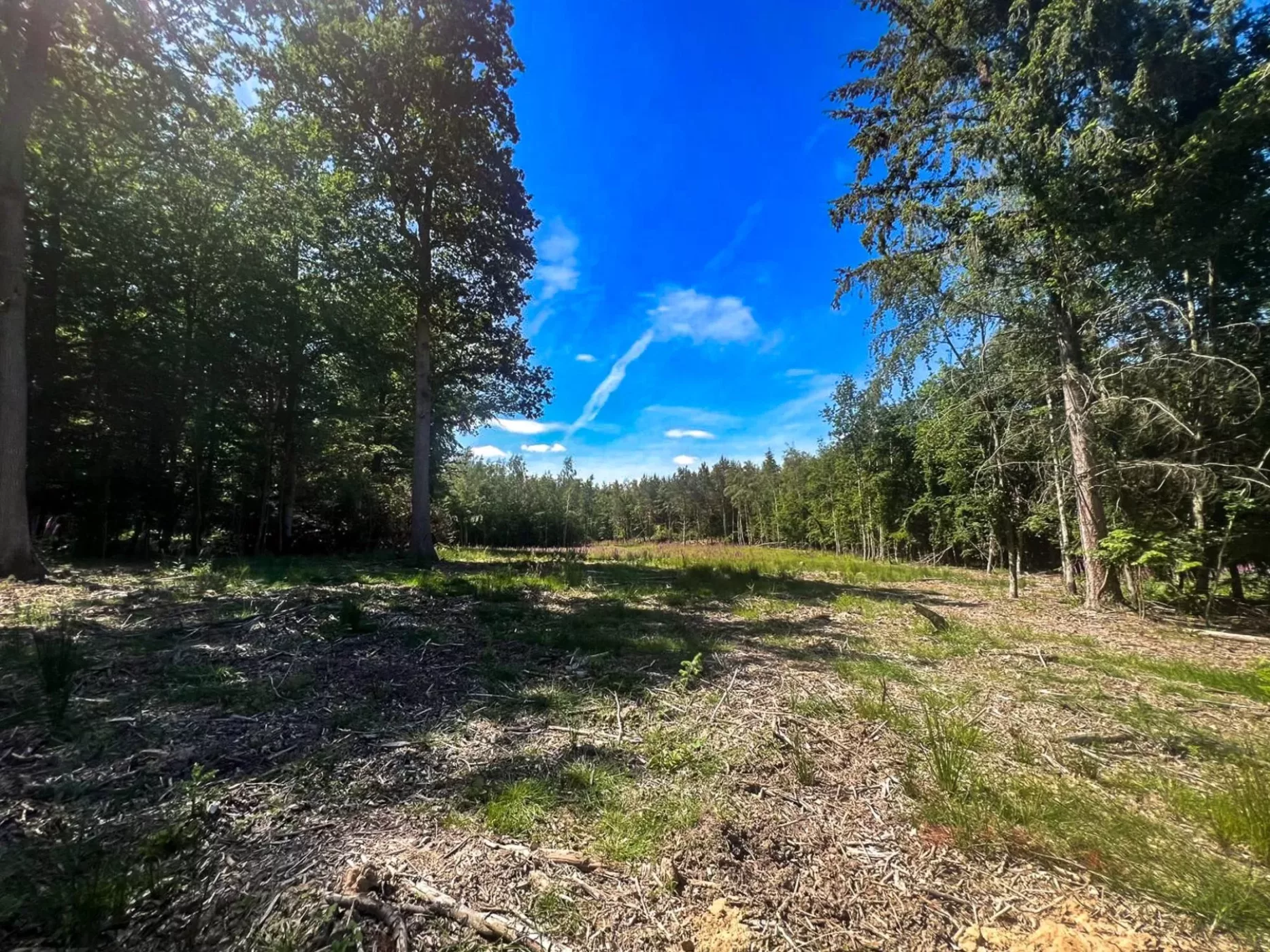
The planting site.

Our partner

For this project, we are working together with Sylva Nova. Sylva Nova is a forest management and consultancy organisation committed to the sustainable management, restoration and expansion of European forests.


This project of Trees for All contributes to several
Sustainable Development Goals

13. Climate action
15. Life on land
17. Partnership for the goals