Food forest Castanya's
Trees for All supports the planting of 20,800 trees in Castanya’s food forest Herpt, Noord Brabant. Good for biodiversity, both on the land and on our dinner plates!


Trees for All supports the planting of 20,800 trees in Castanya’s food forest Herpt, Noord Brabant. Good for biodiversity, both on the land and on our dinner plates!

trees and shrubs

hectares

planting period
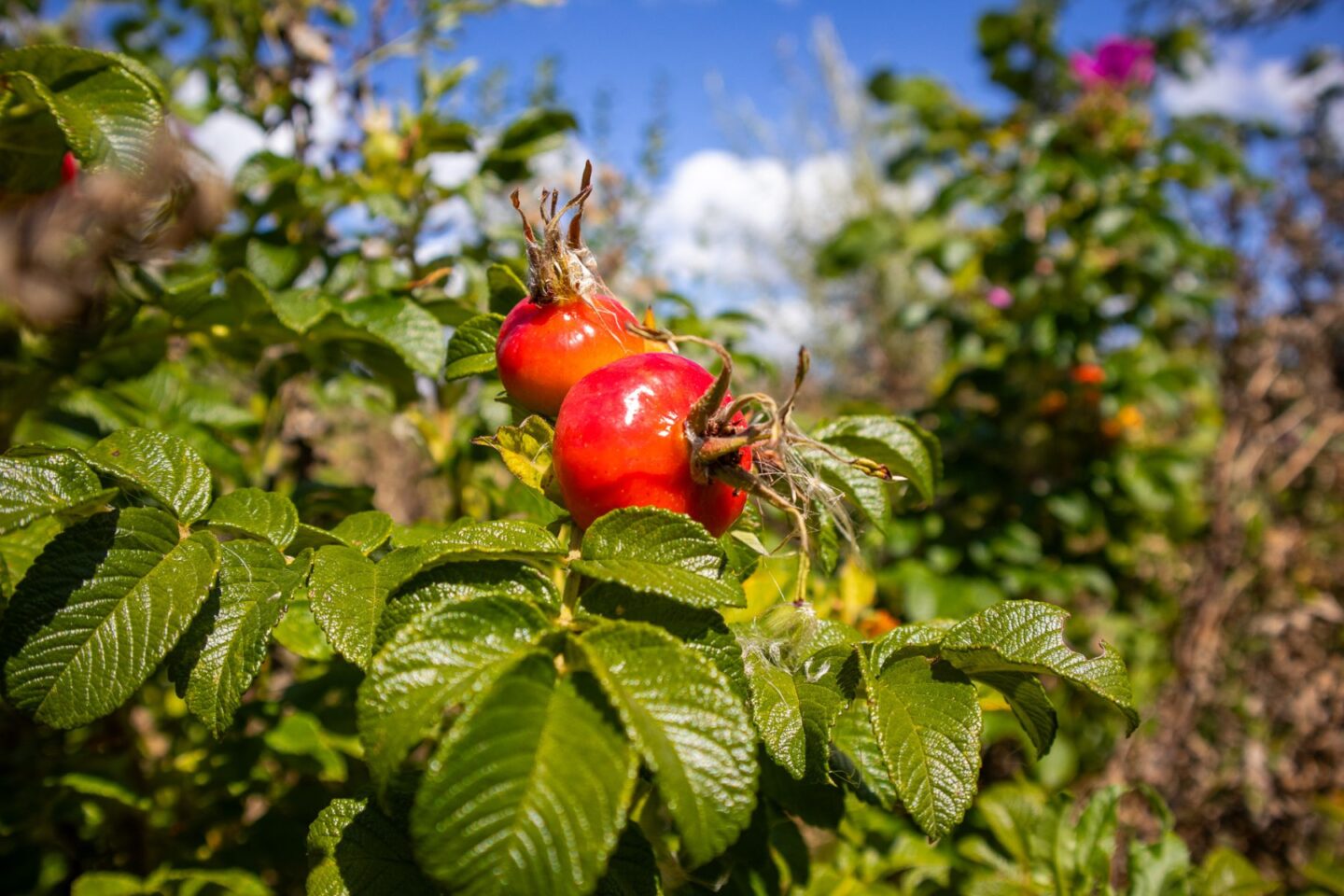
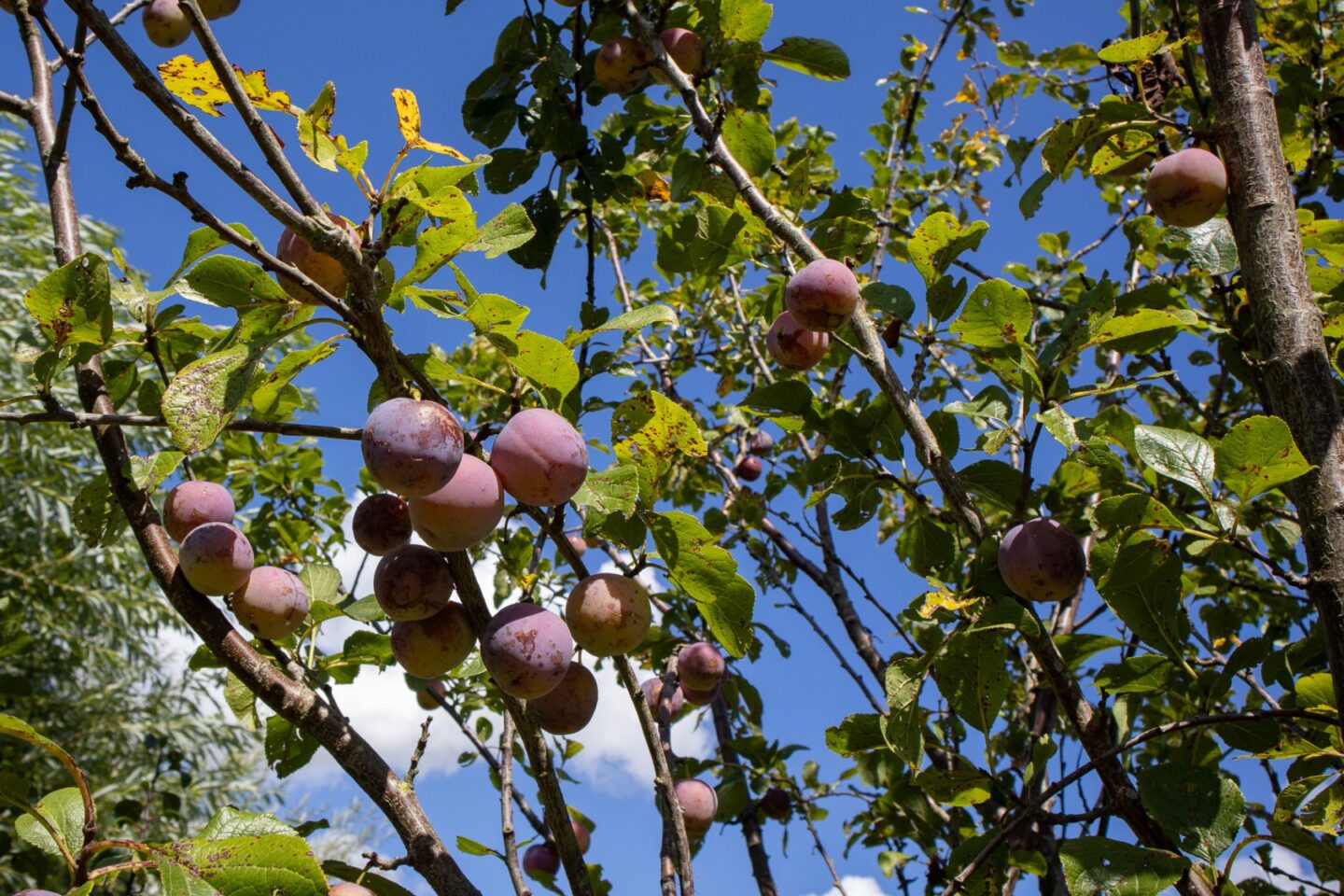
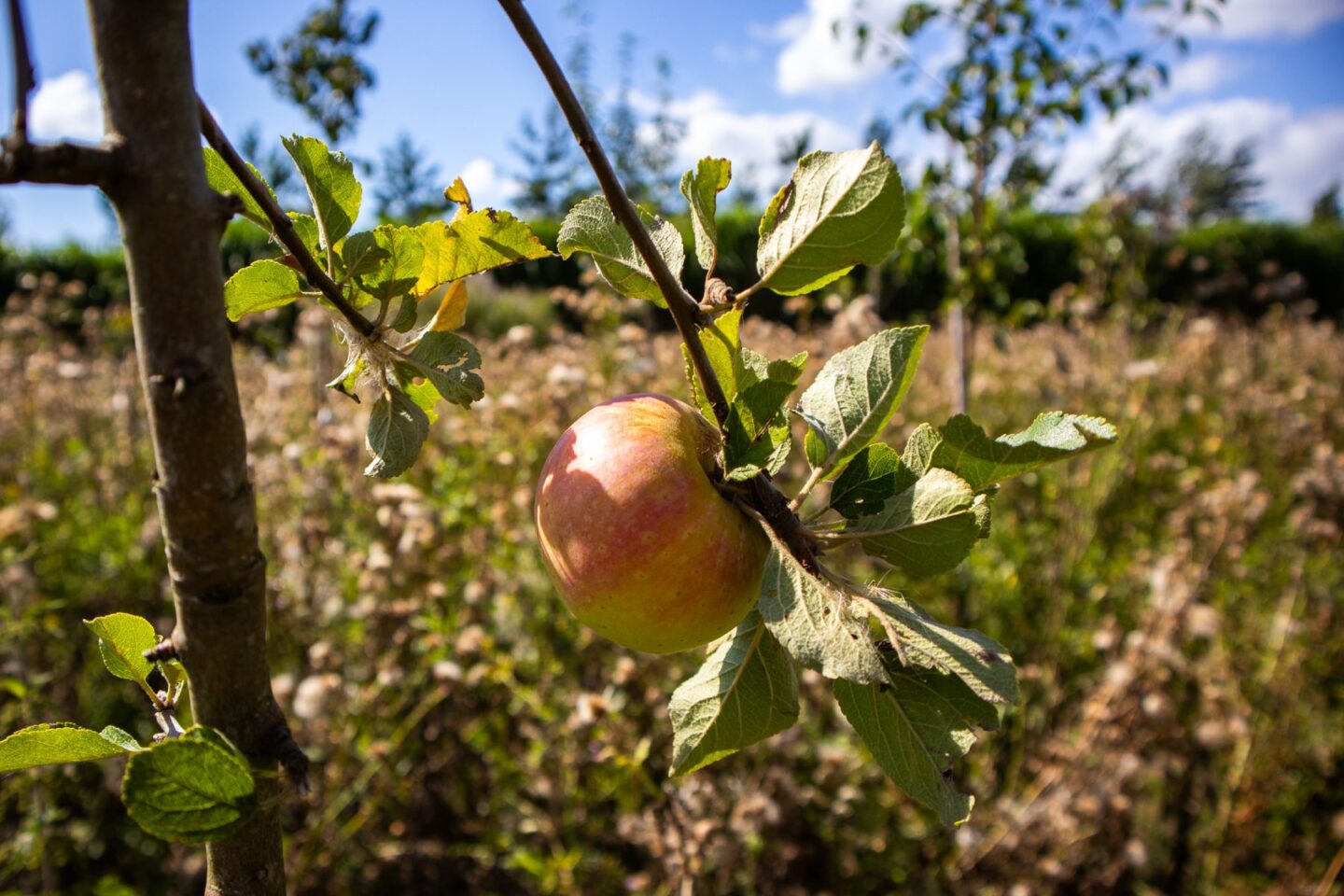
The food forest is Castanya’s BV’s initiative, which grew out of a farming business run by three family members. Their forest will harbor trees, shrubs and other plants which will provide fruit, nuts and other food. Different species will grow together at various heights, creating a natural, layered landscape. Lower-growing trees, such as pear and cherry, will be combined with taller species, including pecan and walnut. Herbs and shrubs such as sea buckthorn, elderberry and fig will grow in between.
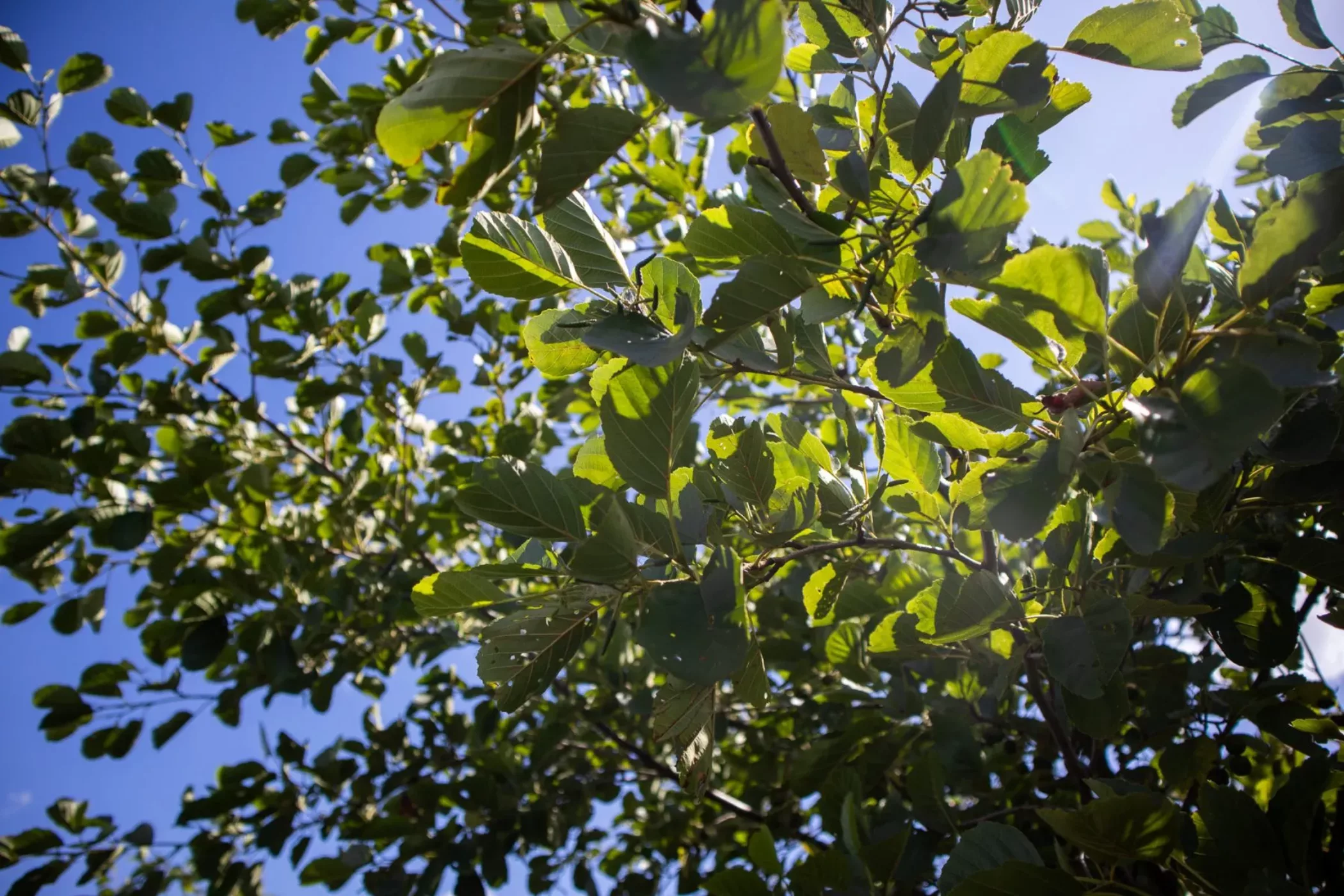
This variety means good news for nature. Native trees and shrubs along the edges of the forest, for example, will provide food and shelter to various animals. The food forest will create more room for insects, birds and mammals, including farmland birds such as the yellowhammer and the little owl.
A food forest is a long-term investment. Young trees and shrubs need time to grow. Castanya’s expects that it will take about seven years until products can be harvested year-round.
Ultimately the aim is to create a largely self-sustaining food forest that relies on its own natural processes as much as possible, with minimal use of fertilisers and pesticides. In this way, Castanya’s shows that farming and nature can even reinforce each other.
For visitors too, there is plenty to be discovered. They will be able to explore the forest, learn about the food nature has to offer and, of course, taste the delicious produce growing there.
This project is a collaboration between Trees for All, Castanya’s BV and Stichting Voedselbosbouw Nederland (Food Forestation Foundation The Netherlands). The latter is a Dutch non-profit organisation, dedicated to developing food forests in The Netherlands and making them economically viable.
Castanya’s food forest is located near Herpt, in the municipality of Heusden, in the province of Noord-Brabant. The site borders the hamlet of Luttelherpt and the Oude Maasje waterway. A walking trail between Herpt and Hedikhuizen also runs through the area. The food forest merges perfectly into the characteristic patchwork scenery of Brabant: no large areas with only a single crop, but a patchwork of green fields.