How does deforestation affect climate change?
The many positive characteristics of trees make them a powerful means for tackling climate change. Conversely, therefore, deforestation also has great consequences for the climate and our living conditions:
- Release of CO2. Trees store carbon in their branches, trunks and roots. If the forest disappears, then that carbon is released into the atmosphere, which reinforces the greenhouse effect and accelerates global warming.
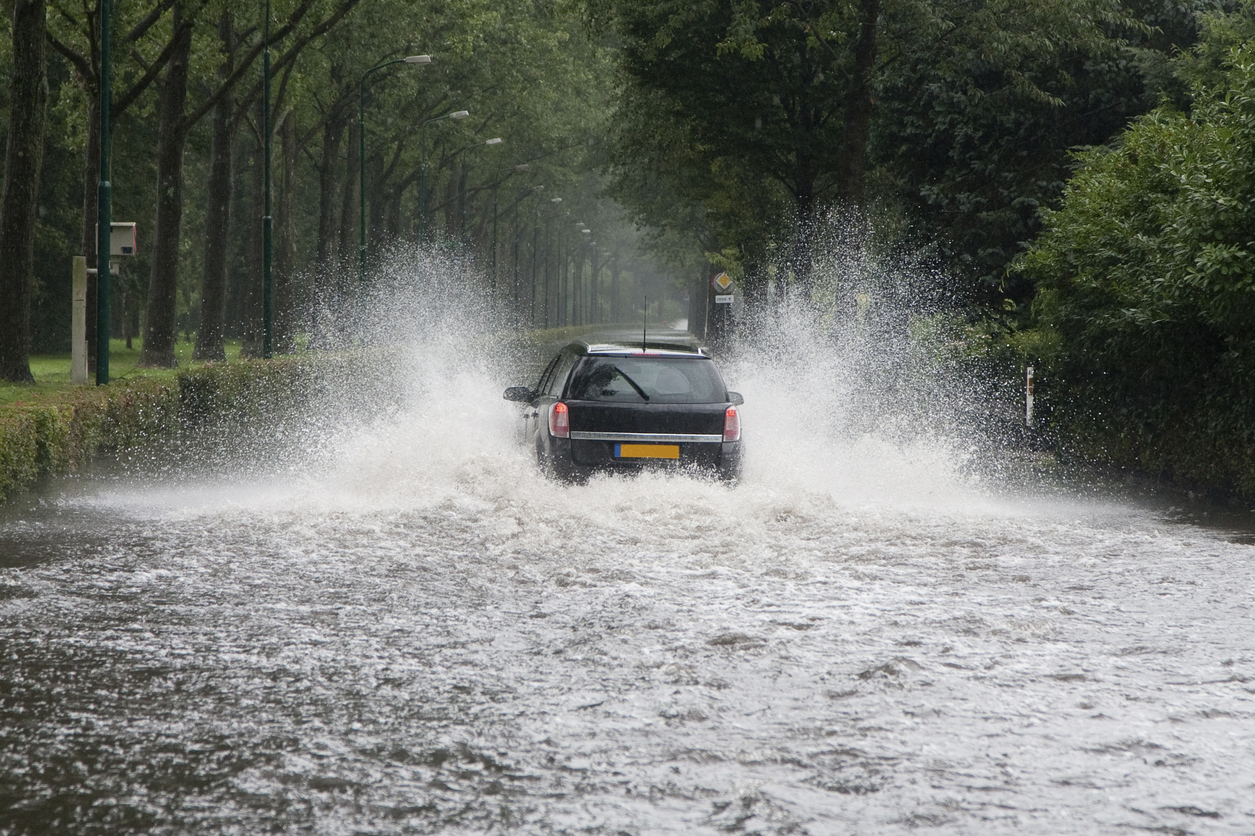
- Soil disturbance. The forest floor is damaged by deforestation. With no tree roots to hold the soil together, fertile soil or water washes away more quickly, due to rain and wind (i.e. erosion). This means that the soil can store less water and CO2.
- Loss of oxygen production. Trees convert CO2 into oxygen. So fewer trees means less oxygen for plants, wildlife and people.
- Less biodiversity. Deforestation deprives all sorts of plants and wildlife of their habitat. This weakens all the ecosystems that actually help regulate the climate, healthy soil conditions and water availability.
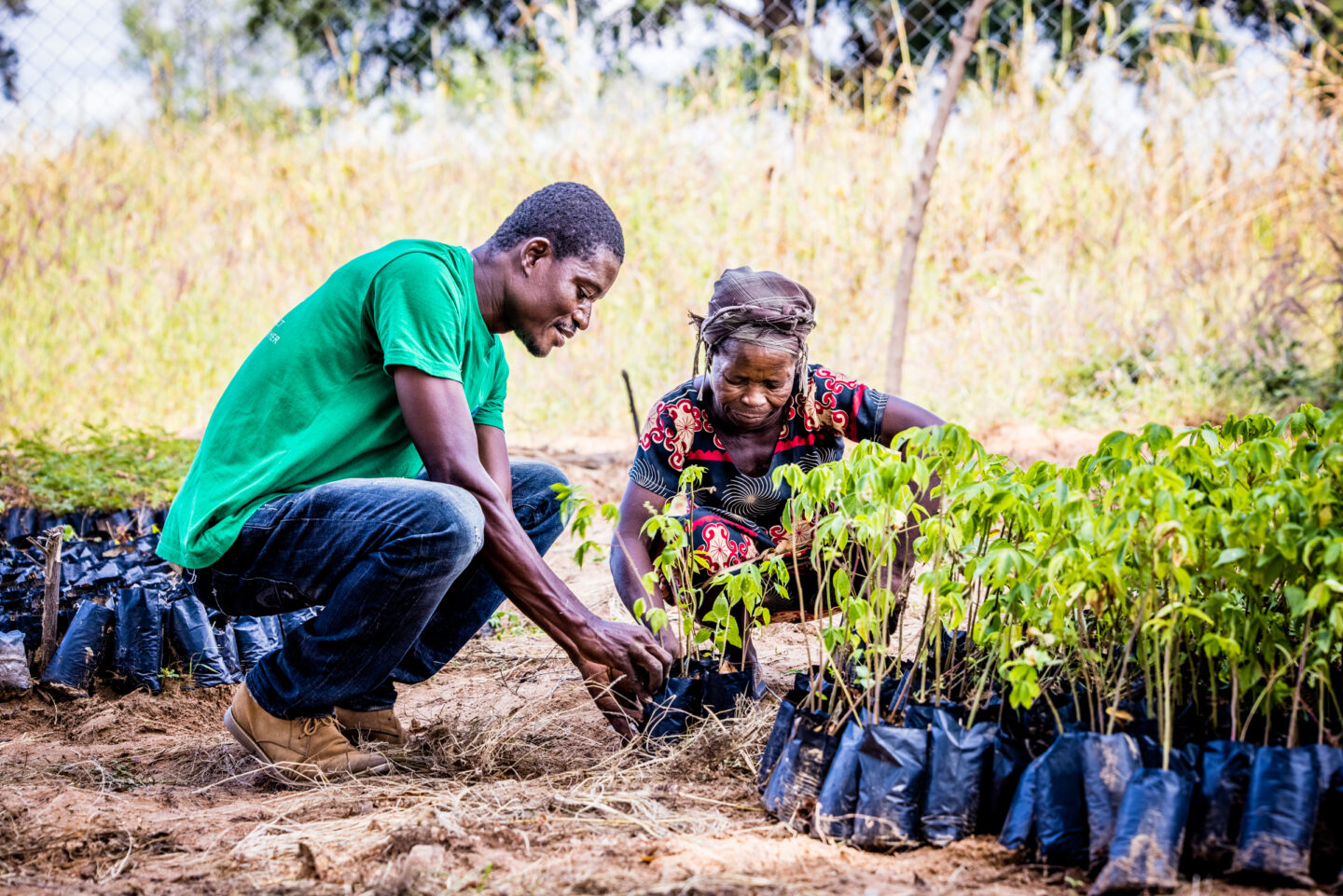
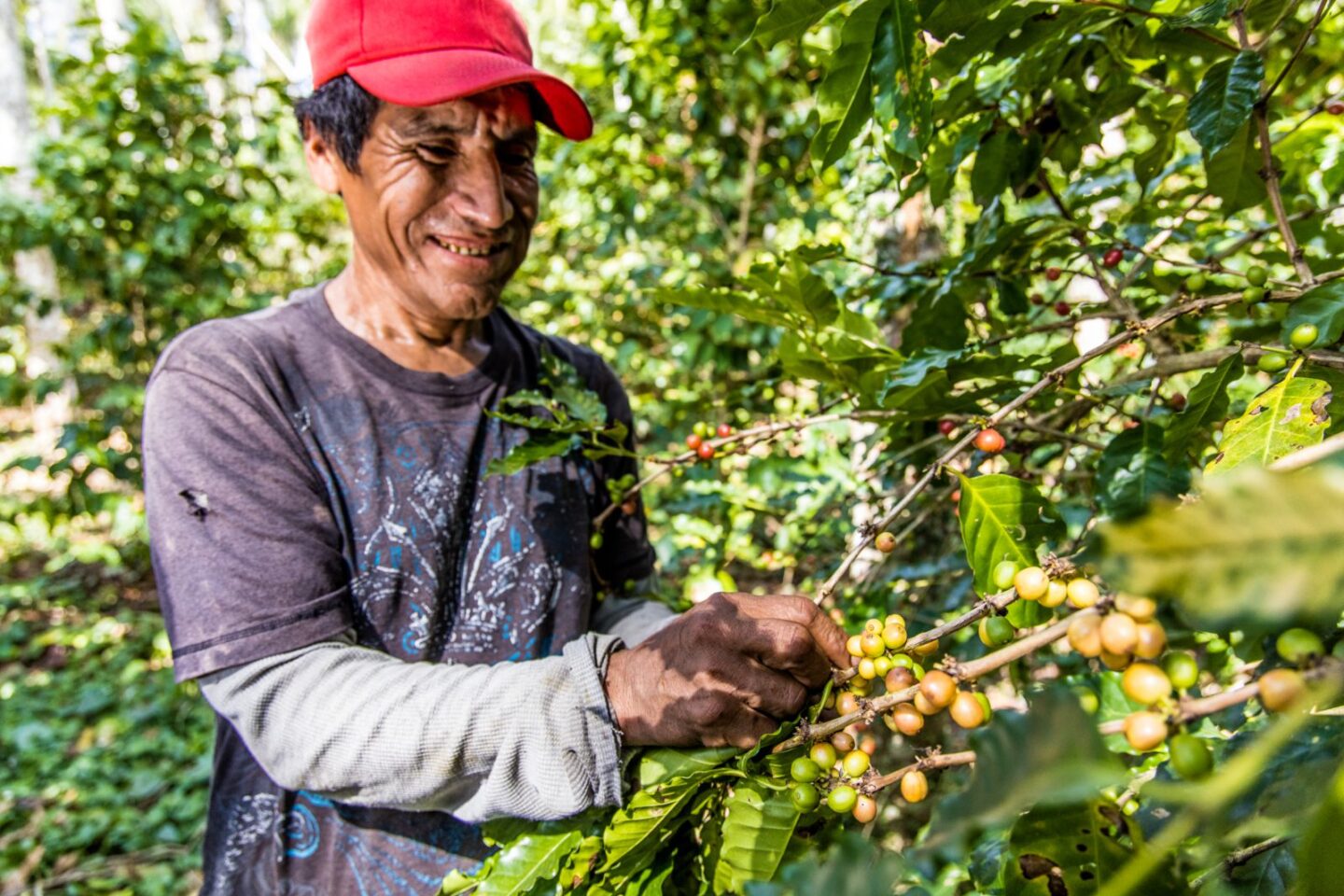
Major causes of deforestation are agriculture, livestock farming, forest fires and the building of infrastructure. Besides planting new forests, other important steps in tackling climate change are the prevention of deforestation and the protection of existing forests. That’s why we pay a great deal of attention to these points in our projects. Take, for instance, the way we plant trees in combination with sustainable forms of agriculture, fire prevention and forest protection.