Southeast Asia
Trees for All is working in Southeast Asia to restore aggressive grasslands into forest and agroforestry. We do this together with local partners and communities, using a combination of innovative and proven methods.

Trees for All is working in Southeast Asia to restore aggressive grasslands into forest and agroforestry. We do this together with local partners and communities, using a combination of innovative and proven methods.
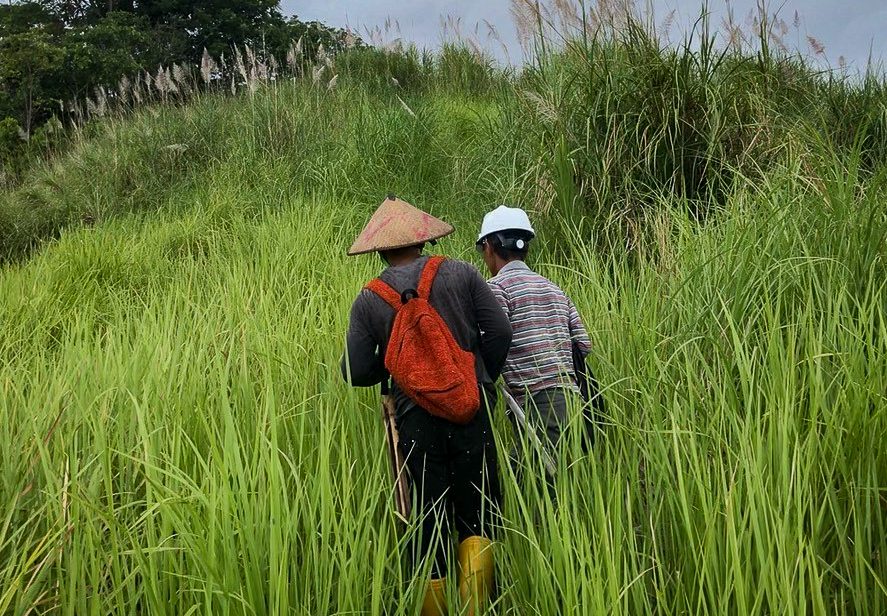
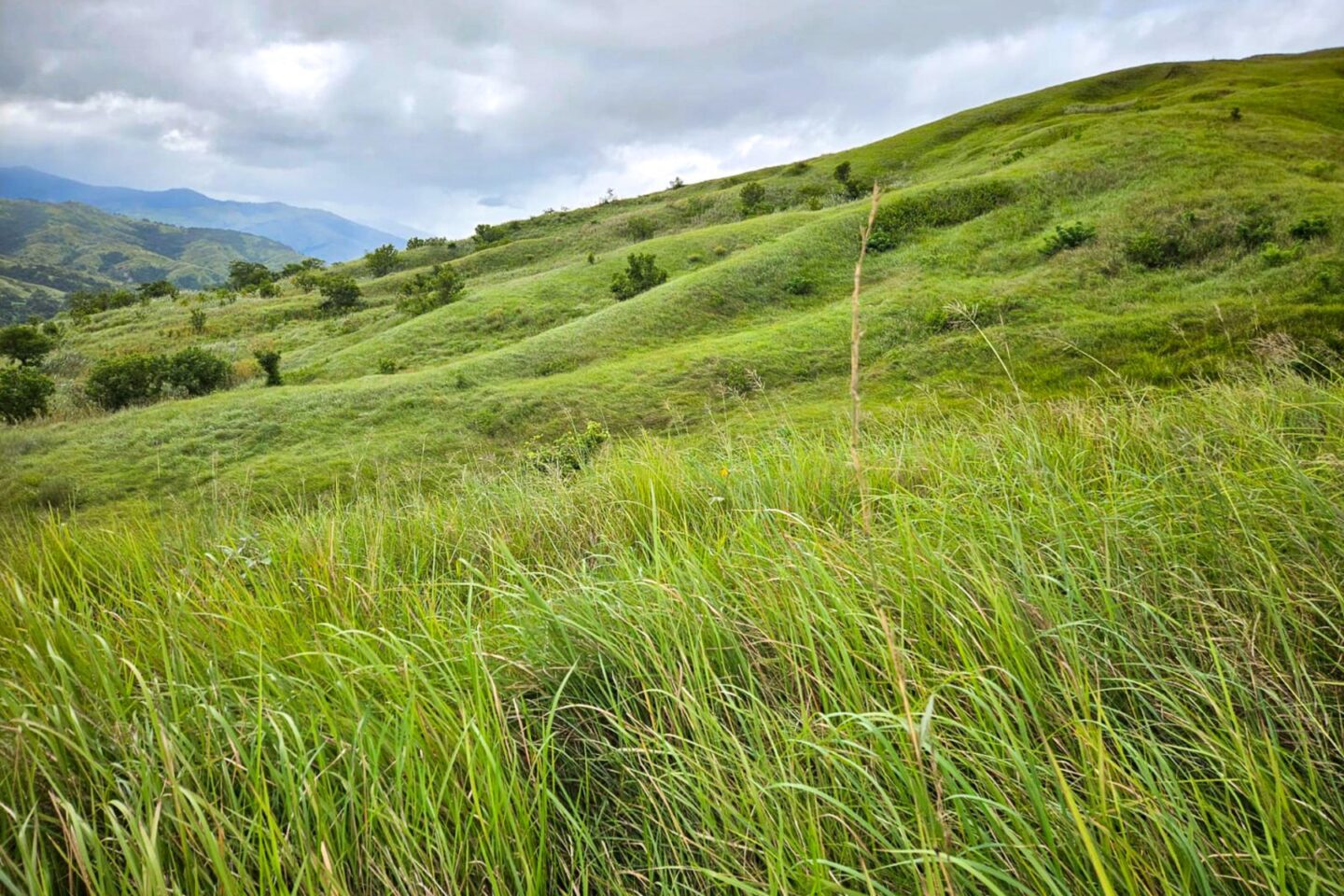
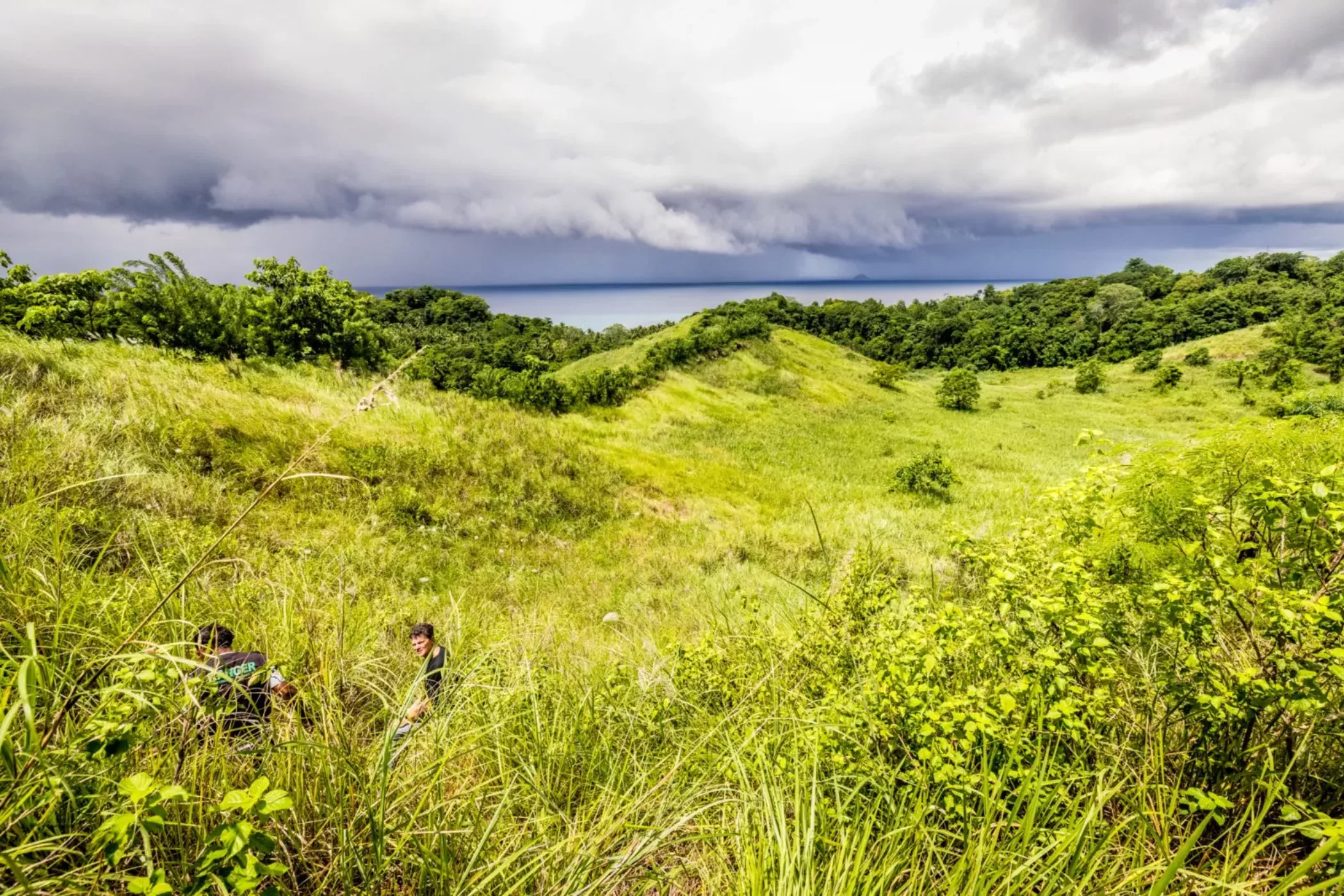
In Southeast Asia, there are millions of hectares of grasslands that were tropical rainforests before. The landscape appears green and healthy during the rainy season, but that is a misleading perception.
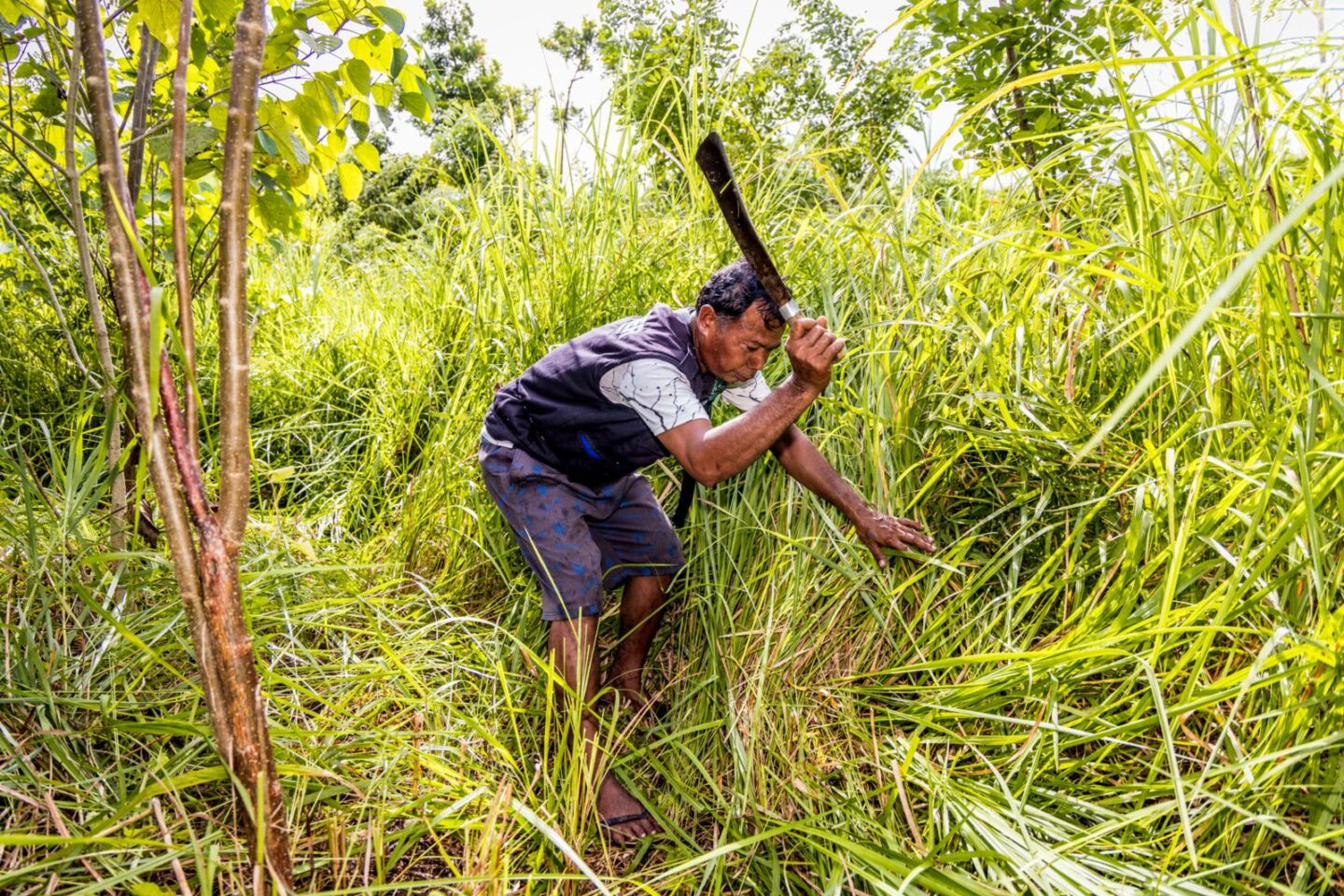
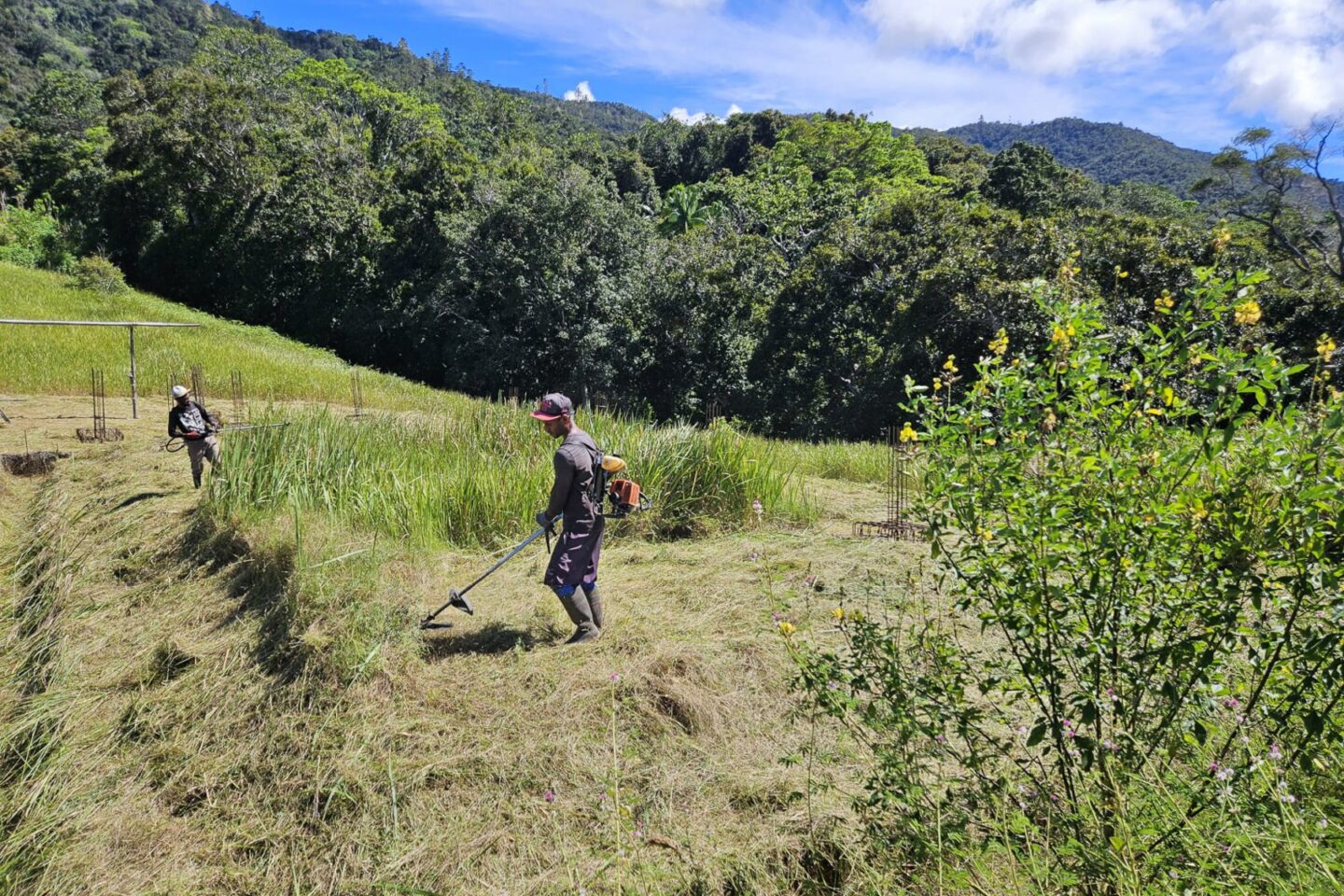
The invasive grass hinders natural recovery of the forest. During the dry season, the grass is fully dry, a fire hazard, and spreads rapidly. Animals find no food or shelter there. The land offers hardly any benefits to people either, as growing crops is barely possible. The land is a kind of grassphalt: it looks green, but has almost as little value for nature as asphalt.
Trees for All is supporting the transformation of these invasive grasslands into tropical forests. We are doing this with our ‘From Grass to Forest’ program, in which we work closely with local partners and village communities. In 2026 we start reforestation at the first locations. Our ultimate goal: to expand this approach to new areas in the coming years by converting thousands of hectares of grassland into diverse and healthy forests.
The grassland is a kind of ‘grassphalt’: it looks green, but has almost as little value for nature as asphalt.
With reforestation we ensure that the severely degraded land regains value for the climate, biodiversity and the people in the region:
The shade of the fast-growing trees ensures that the grass disappears within a few years.
The various tree species store a lot of CO2 and improve soil quality and water level.
The plantings expand the habitat of many plants and animals, including birds of paradise, tree kangaroos, crested macaques, and endangered tree species such as Merbau and Meranti.
In the long term, the forest yields useful products, such as nuts, palm sugar, wild durian, and rambutan. Good for the food security of the participating families and for the regional market.
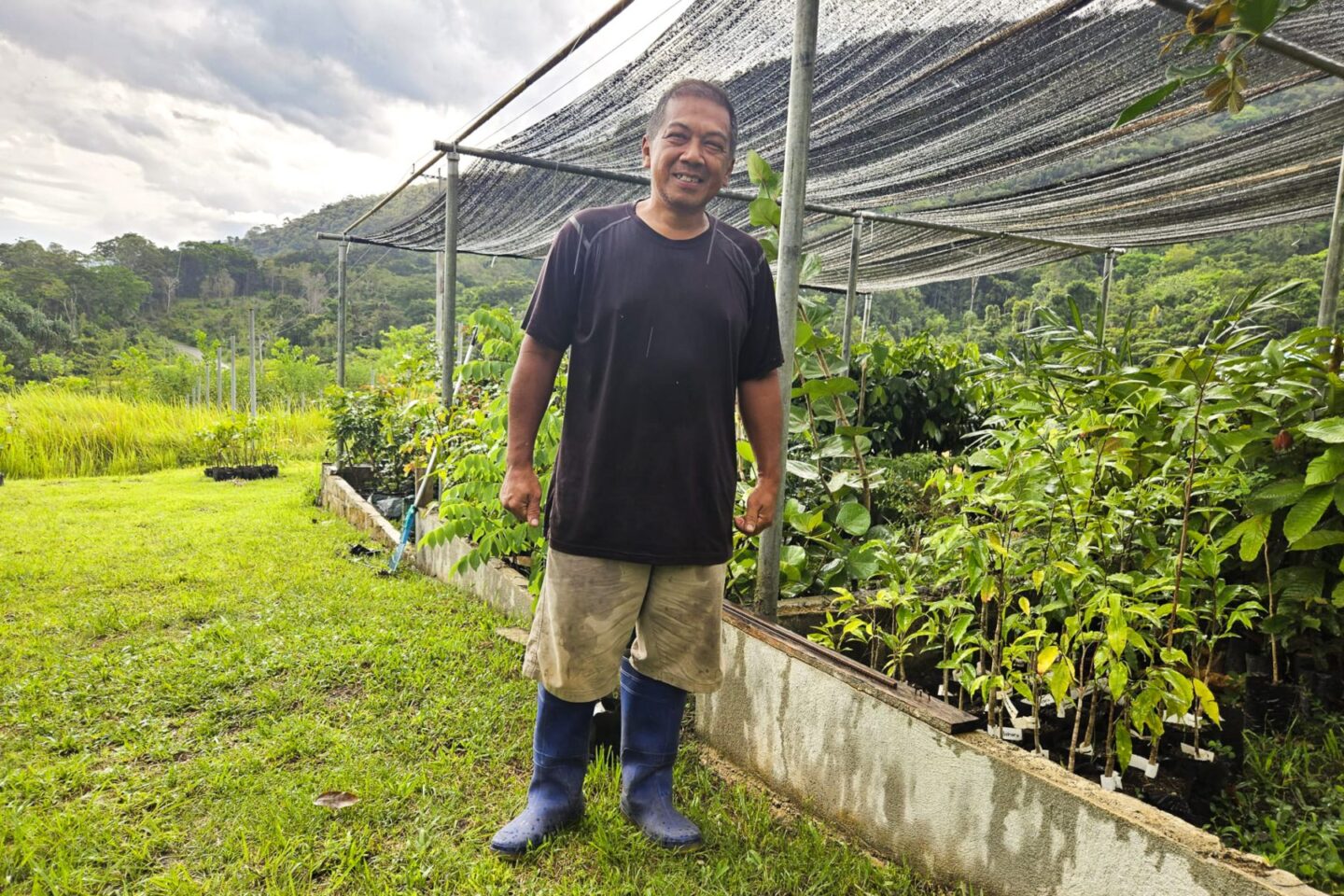
Reforesting grasslands is challenging, but not impossible. We know this from experience. In 2022, together with the Masarang Foundation, we started a project to transform grasslands on Sulawesi into forest. Masarang has developed a successful method for this purpose, combining the planting of fast-growing tree species, soil improvement, and intensive maintenance.
The result: after four years, a dense forest grows with trees up to 10 meters tall. The grass has practically disappeared, the climate is pleasant, and birds and butterflies fly around in abundance. This success provides the inspiration to reforest more locations in Southeast Asia.
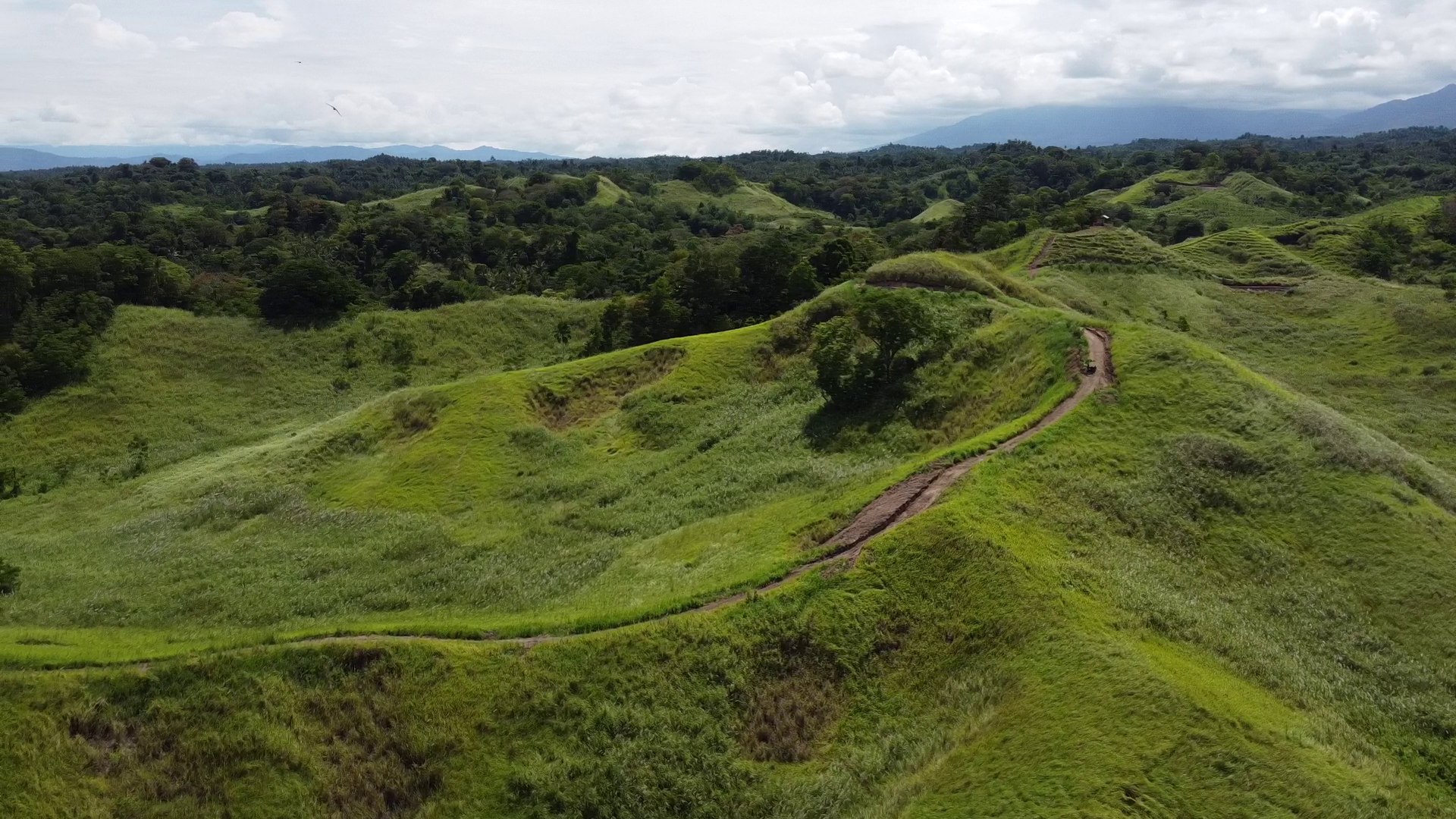
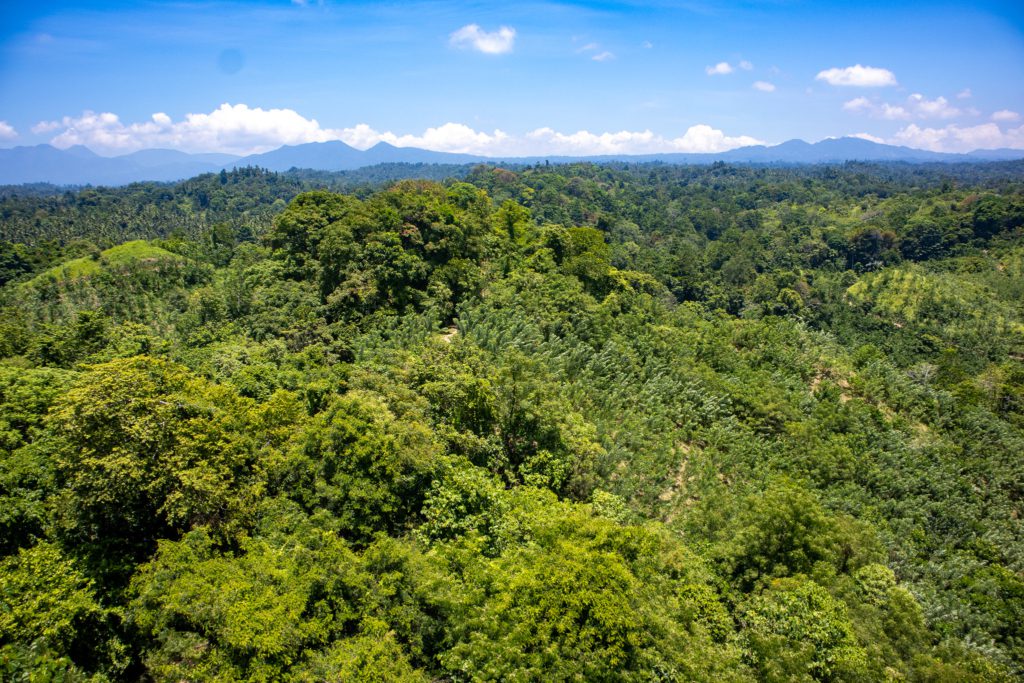
We are doing this at new locations where invasive grasslands also pose a major problem, such as the Indonesian island of Sumba. We start on a small scale but work stepwise towards the restoration of entire landscapes. We plant trees that belong in this environment and that have a positive effect on the local climate and biodiversity. We also ensure that people benefit directly from the forest, as it provides additional work, food, and/or income.
We combine existing, proven successful methods with new innovative planting techniques and reforestation models such as planting trees in clusters and assisted natural regeneration, where trees regenerate spontaneously due to fire prevention and careful forest management.
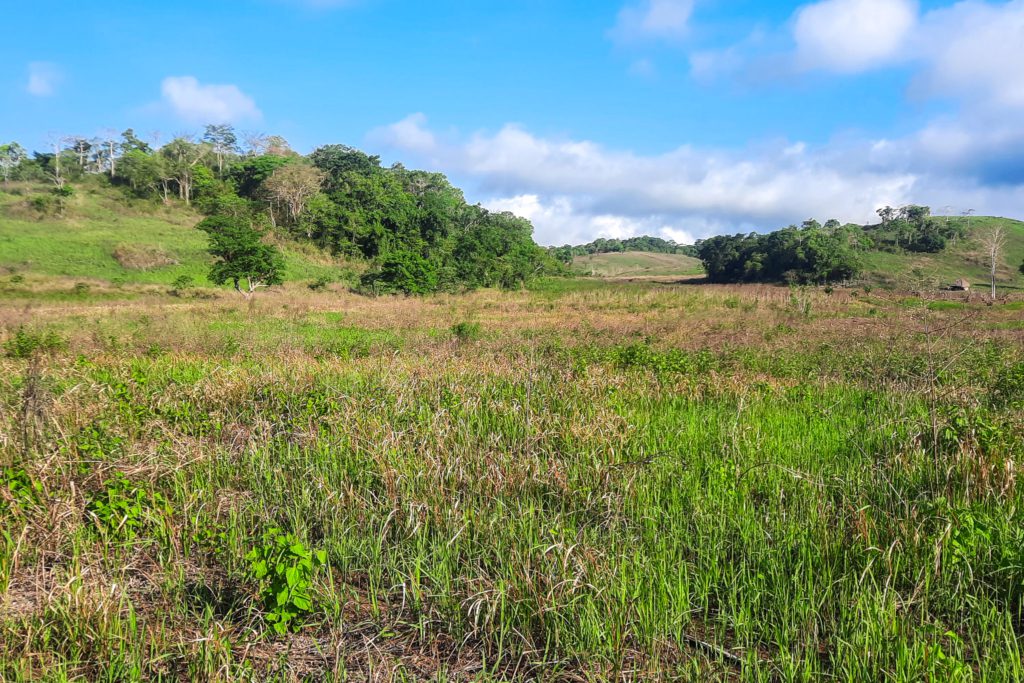
We support communities in agroforestry where the forest provides food and income. We also create a corridor for endangered birds: new forest that connects with the adjacent National Park. Partner: Burung Indonesia.
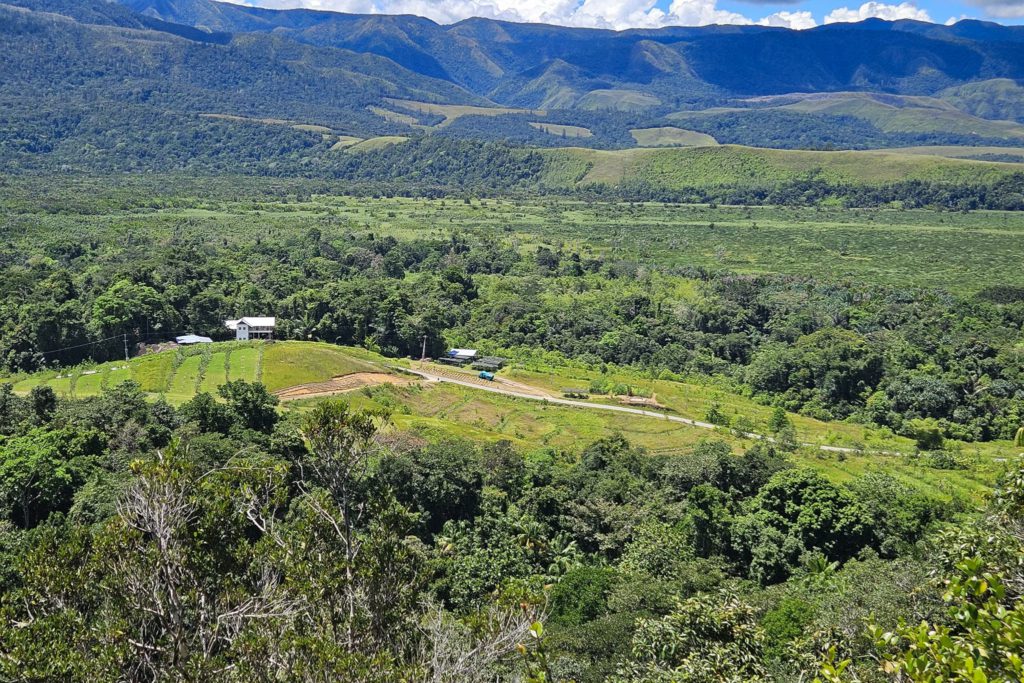
Together with local communities, we are planting fruit orchards for food security and the local market. Additionally, we are restoring tropical rainforest in a true biodiversity hotspot. Partner: Stewards for Nature.
We restore forests in places where invasive grasslands pose a problem. Tropical forest used to grow in these areas, which we are restoring step by step. We are starting with Sumba and West-Papua and aim to expand this approach to new locations over time.
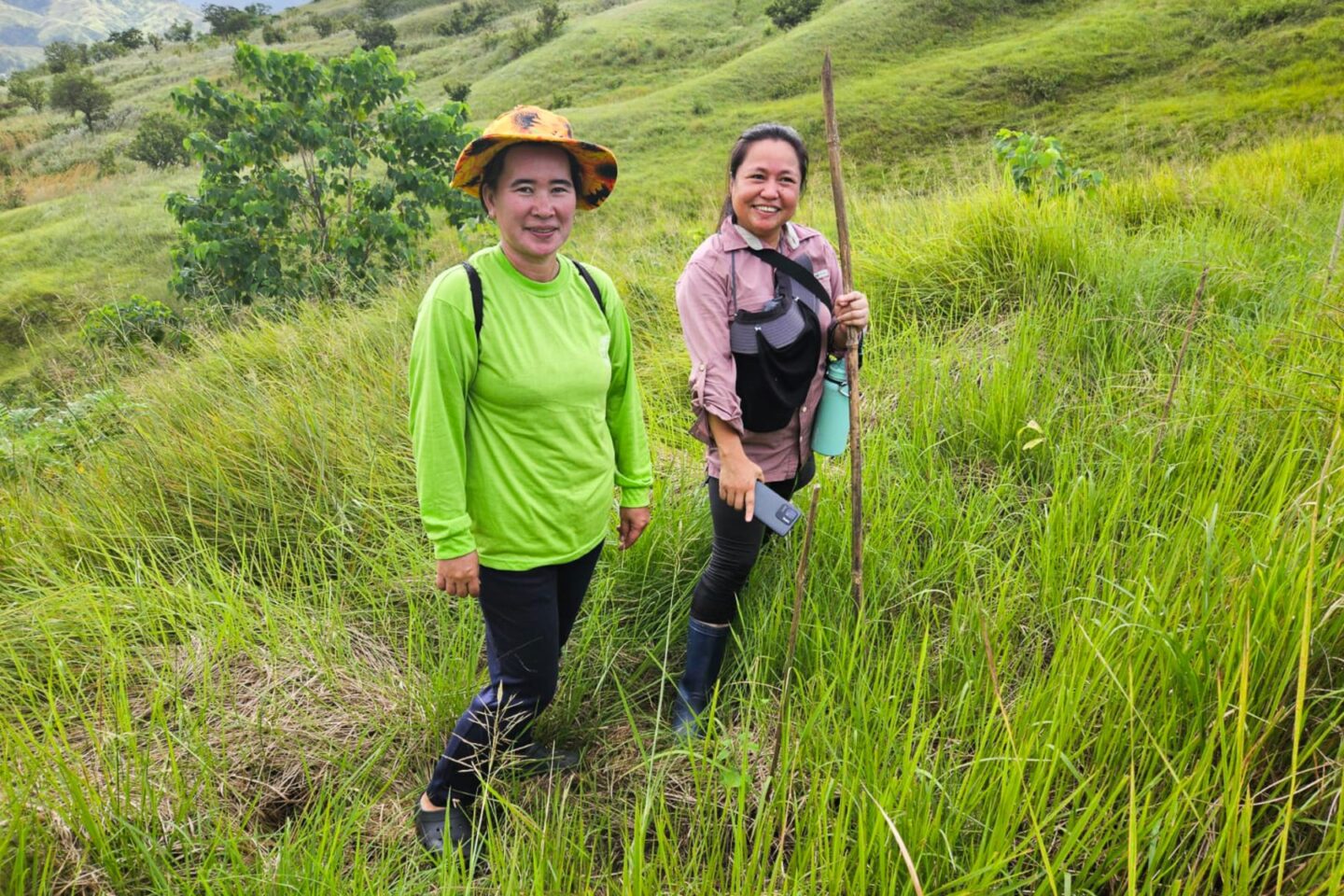
Local households and indigenous communities play a leading role. As owners of the trees, they decide on the choice of species and the type of planting. Together with our local partners, they carry out the planting and maintenance, which is certainly labor intensive in the first few years. They also manage the forest in the long term. In doing so, we support them with knowledge, expertise and capacity.
Trees for All is the driving force behind the ‘From Grass To Forest’ program. Through this, we commit ourselves for the long term to the large-scale reforestation of grasslands in Southeast Asia. We do not do this alone. We bring together local organizations, knowledge institutions, government agencies, and villages, and secure long-term financial support from donors, funds and investors. Together, we make a difference, because every tree counts.
The launch of this program has been made possible thanks to the support of Alphatron Foundation and major private donors.


Do you want us to be able to plant forests around the world, just like here in Southeast Asia? Then support our work with a donation. Would you like to learn more about this program or get actively involved? Please contact us.