Forest restoration on Borneo: Together we can prevent a climate disaster
02 April 2026


02 April 2026
On Borneo, Trees for All is working on the restoration of peat swamp forests in Sebangau National Park. Also thanks to your support we have planted more than 400,000 trees, together with local communities and Borneo Nature Foundation. Thank you very much! This restoration is an important step in a wider approach to preventing a climate catastrophe on Borneo.
All photographs taken by Borneo Nature Foundation.
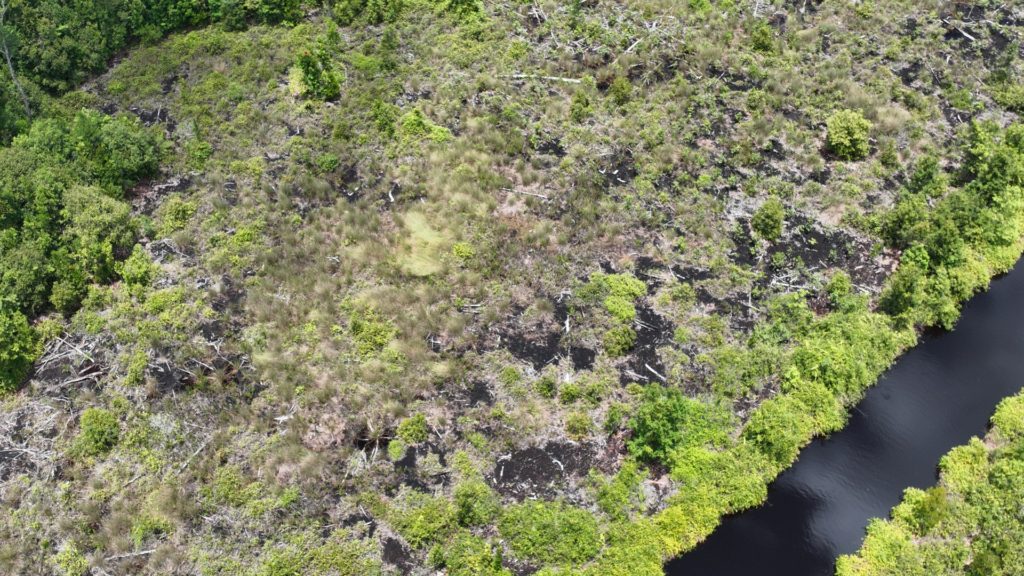
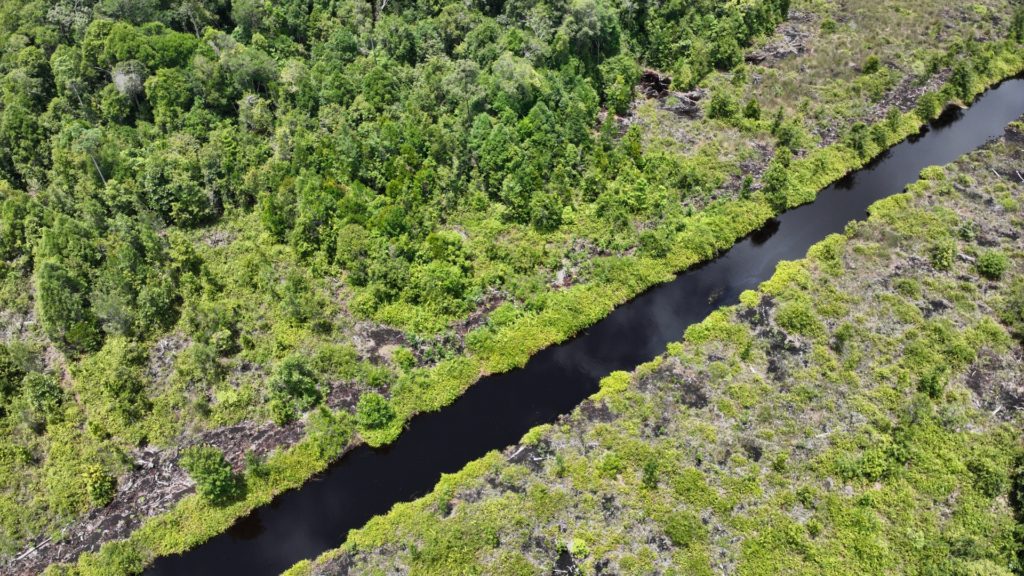
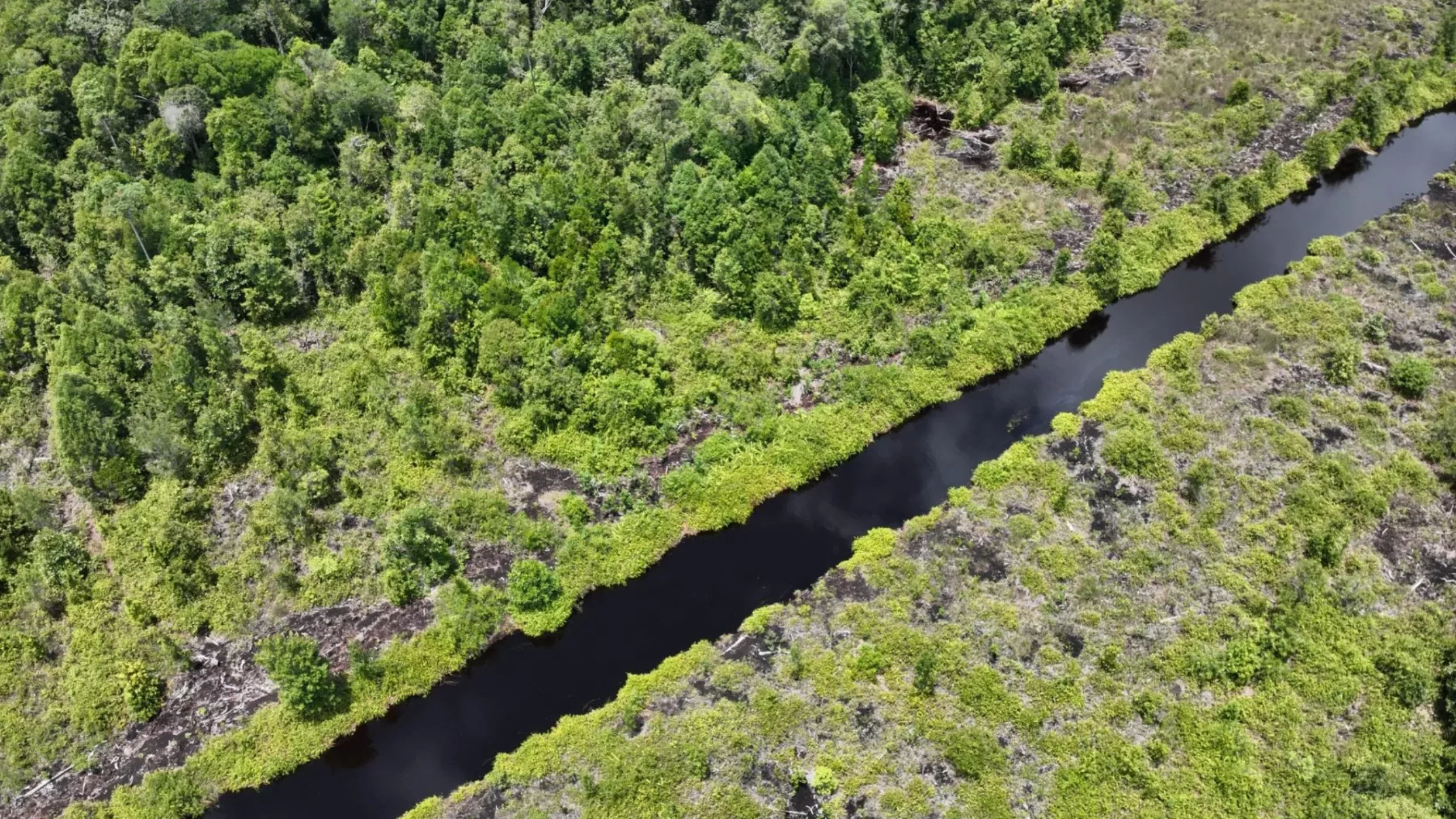
Peat swamp forests are special tropical forests which store enormous quantities of CO2 in the soil. Therefore, they play a crucial part in mitigate climate change. Unfortunately, the forest in Sebangau National Park is under pressure. Sections have been destroyed by wildfire and the area is drying out.
This is frightening, because the peat soil makes sure CO2 remains in storage. If the soil dries out or the forest disappears, CO2 escapes, resulting in gigantic climate catastrophe.
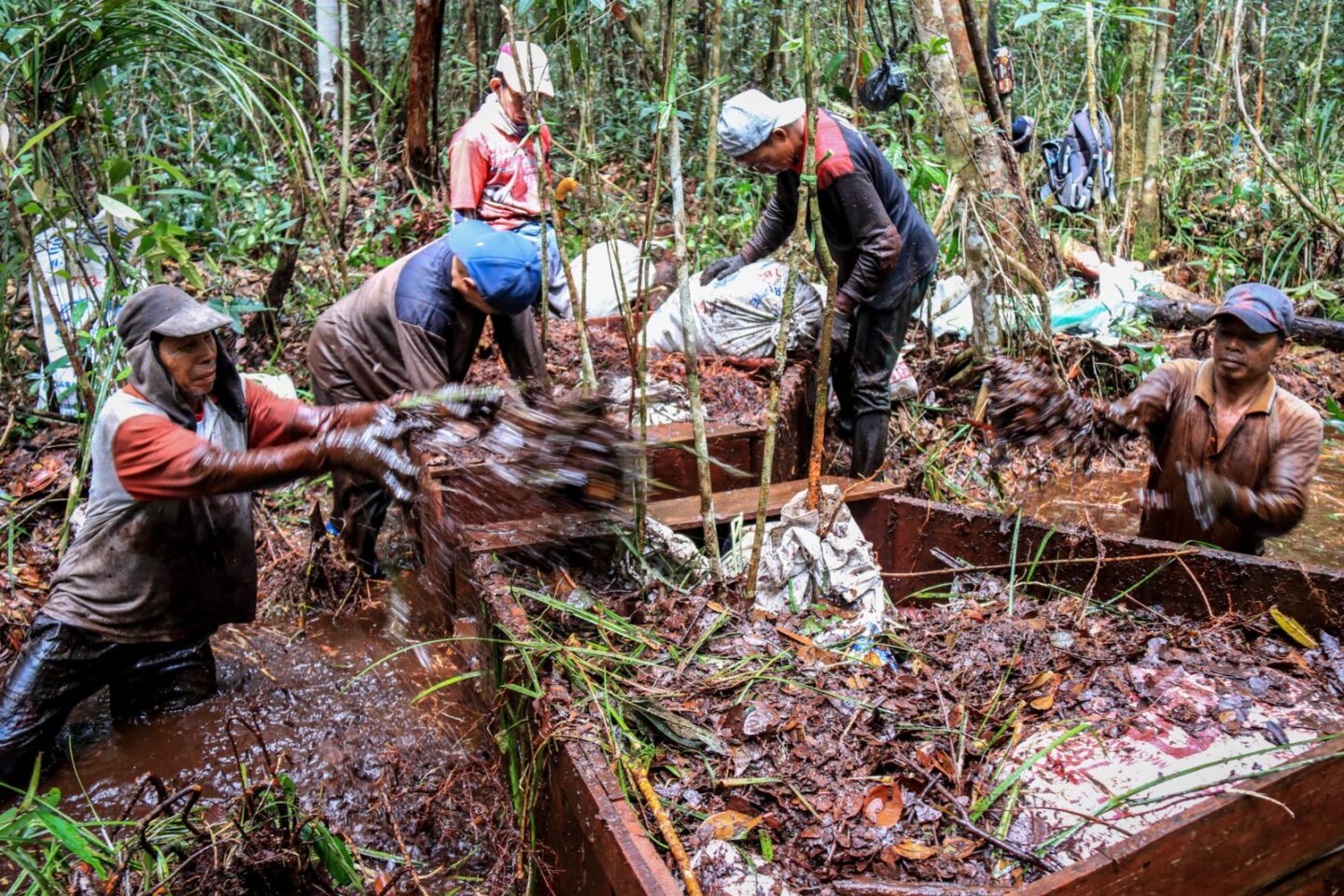
Together with the Borneo local team we deploy everything to prevent this: by restoring the forest, keeping the soil humid and protecting the forest better.
Between 2022 and 2025 we have planted 405,000 trees in places where the forest had been burned and in which nature had difficulty recovering on its own.
In this way we restored 450 hectares burnt ground. That is nearly 630 football pitches!
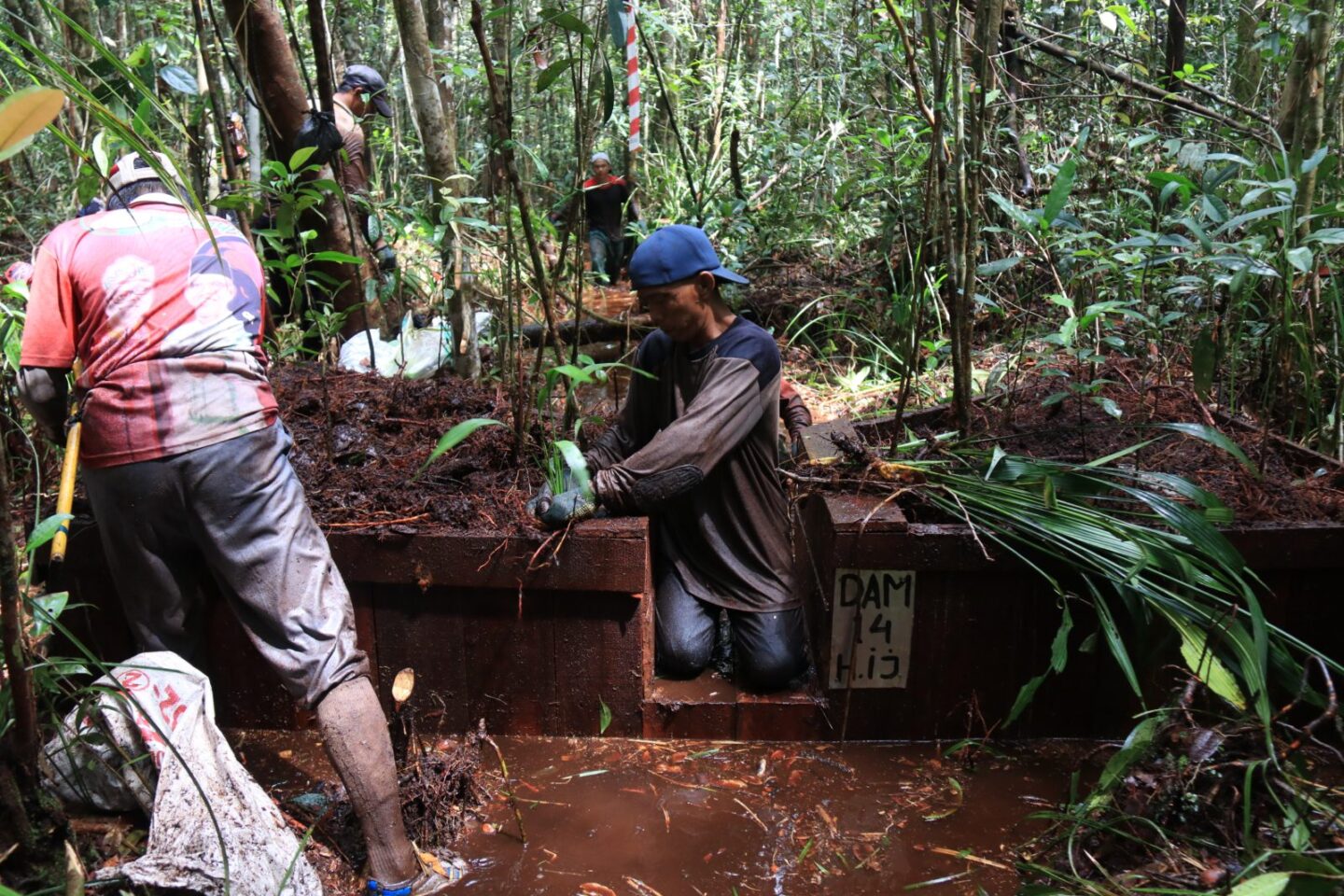
75 dams have been installed to keep water within the area: essential for storing CO2 in the peat soil and the development of the forest.
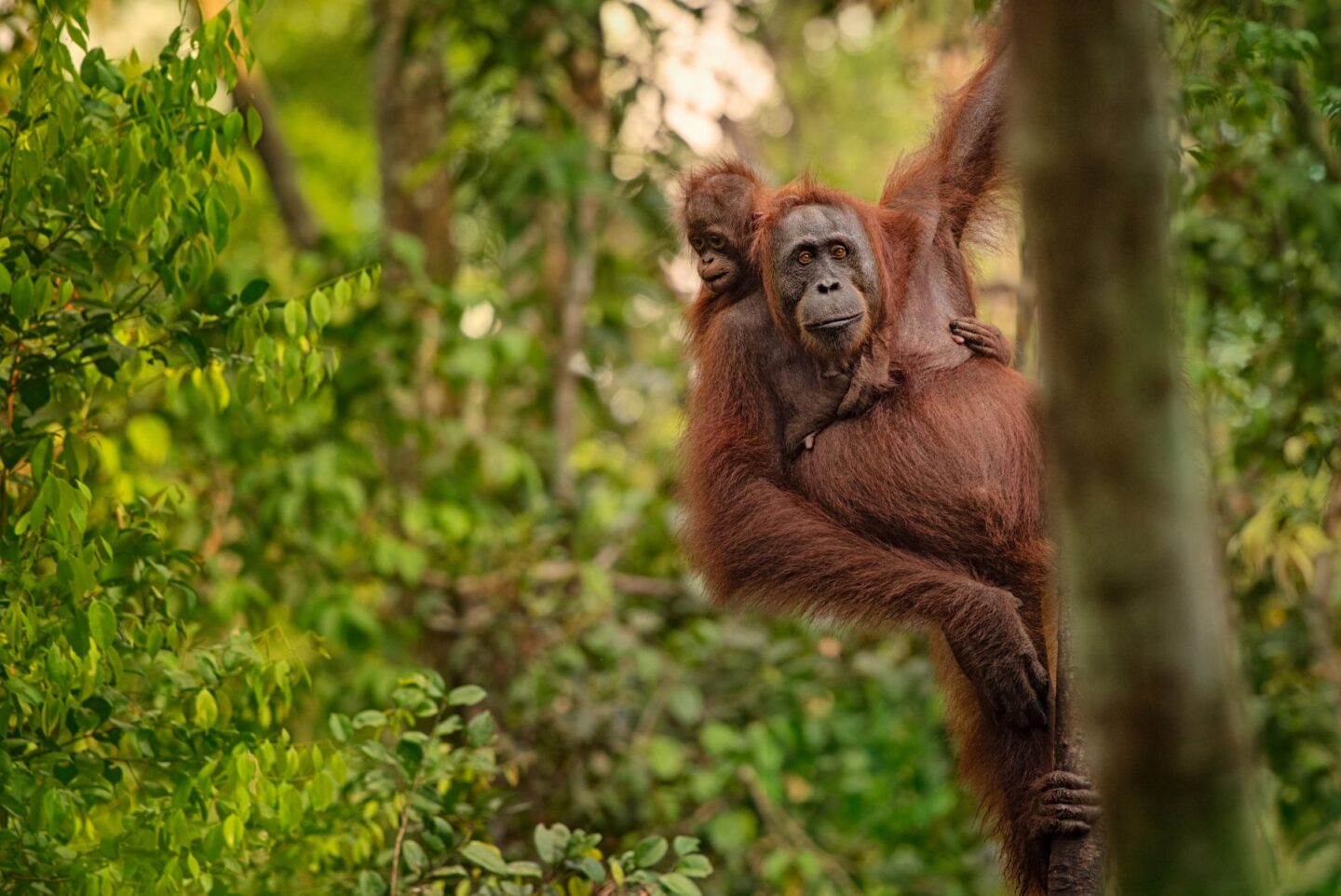
We have planted 16 different species of trees which are natural for peat swamp forests, including vulnerable kinds and trees providing food for animals (such as the seriously endangered orang-utan)
Patrol teams have been appointed to protect the forest and check for danger of fire. They possess equipment to put out fires rapidly.
The positive development of the forest shows, among other things, in the number of orang-utans in the National Park. As a result of the combined restoration activities, the population has grown visibly!
To increase this impact, we are extending the forest restoration in 2026. Our target? To plant another 50,000 trees, together with you!
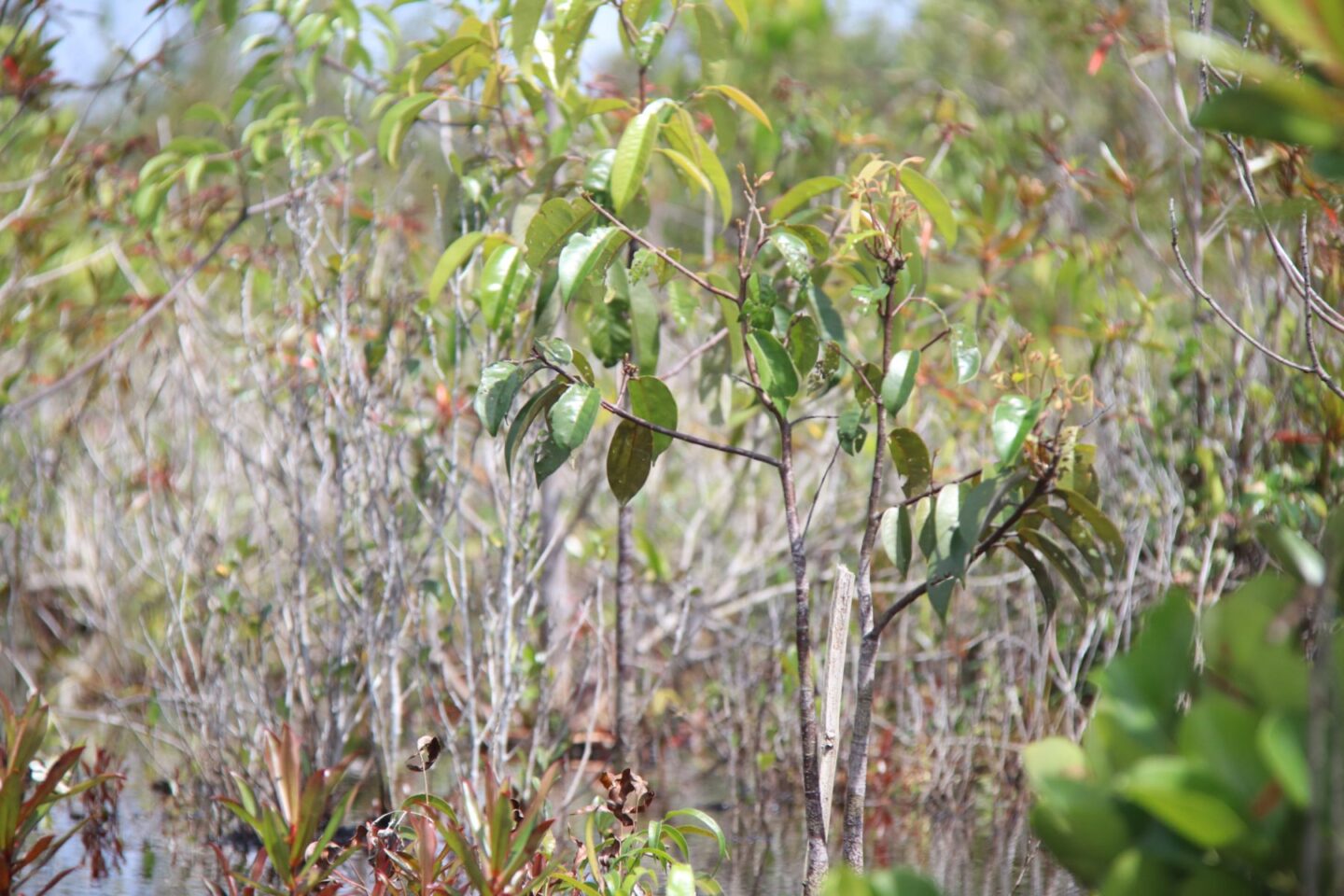
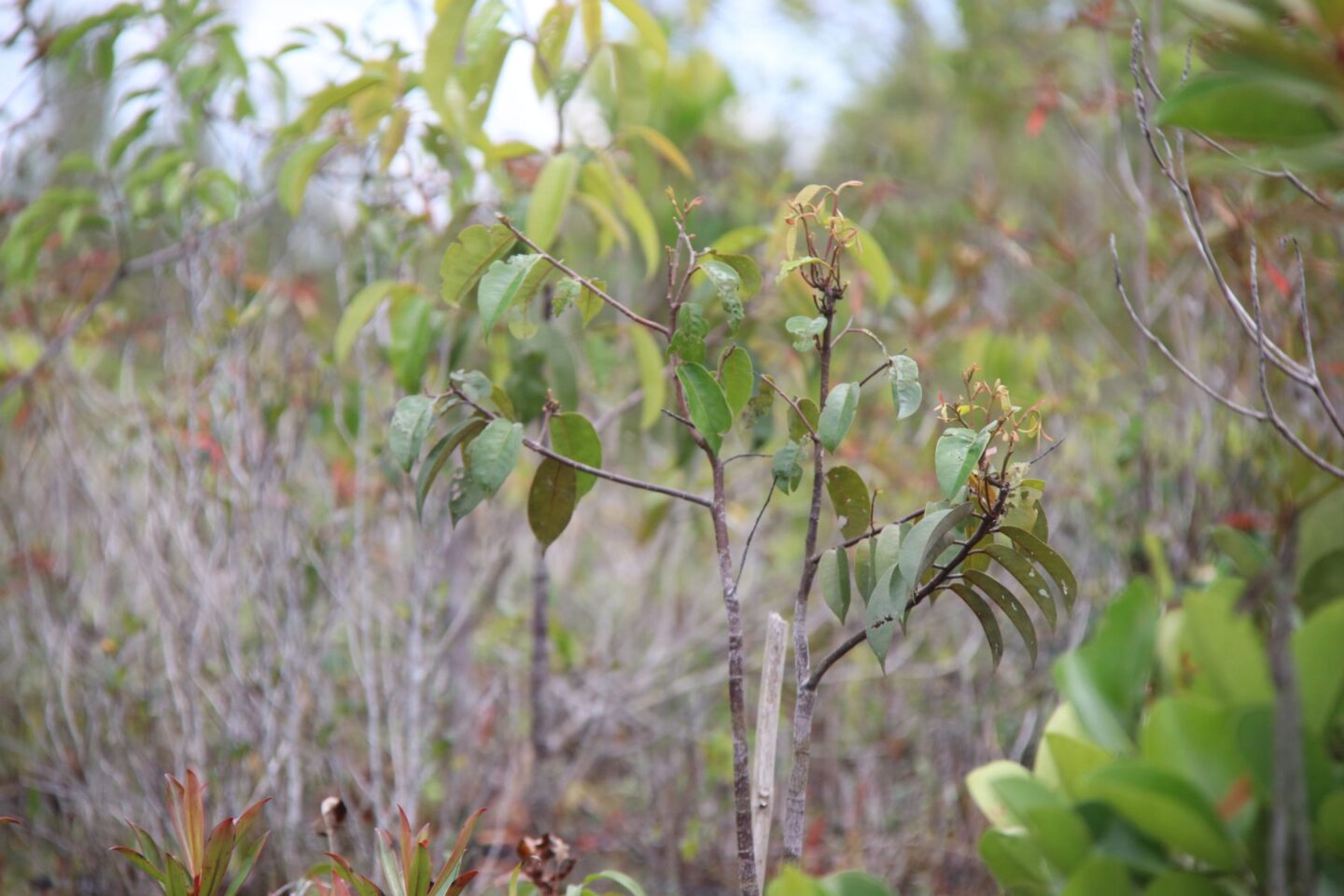
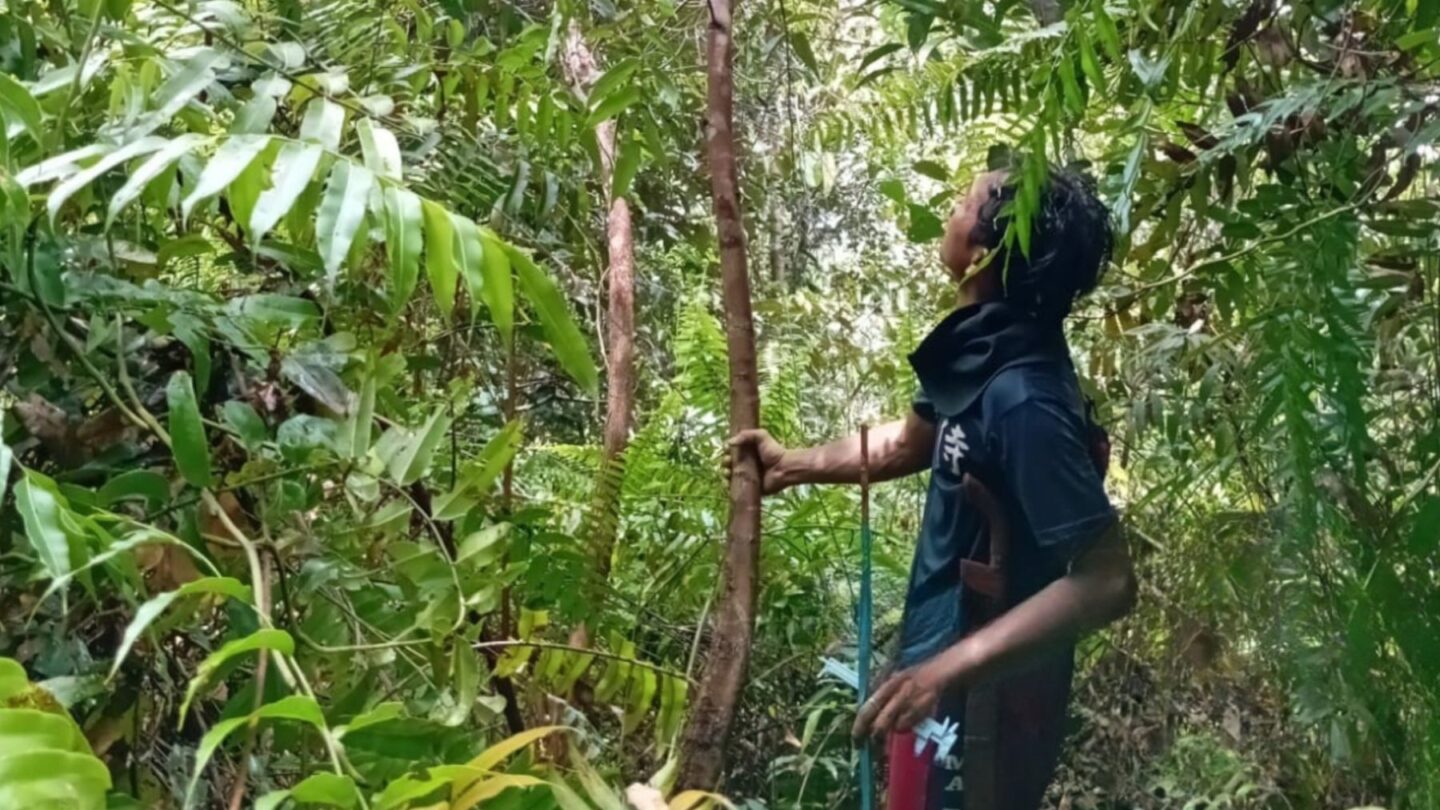
Young trees in development
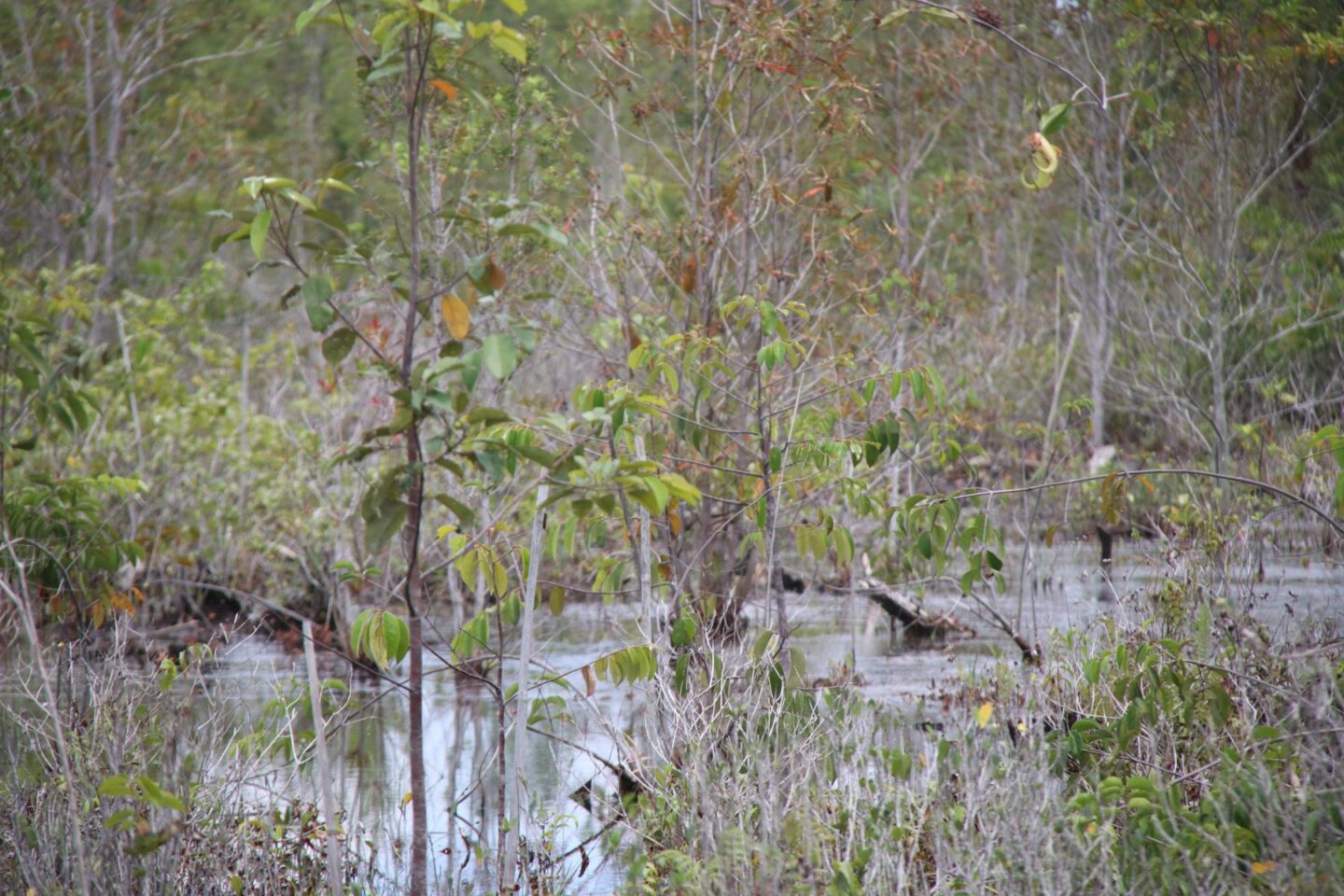
Forest restoration in a peat swamp forest is everything but simple. For several months per year, the area is under water, making it difficult to reach plant locations. The tree-planting team has to bridge many miles of land and water. Meanwhile they tote heavy baskets of trees in temperatures of 38◦C (100◦F) and over. That in itself is an impressive achievement!
All those 405,000 trees are endemic and so are originally at home in peat swamp forests. They include all kinds of vulnerable and rare species we would love to see in the forest more often. We also plant species of trees which will be important sources of food for animals, such as hornbills, gibbons and orang-utans.
Orang-utans (Picture: Shutterstock)
Initially, not all trees survived the first growing stage. This was caused, among other things, by the fact that the soil became extremely hot in some sites. Fortunately, our partner Borneo Nature Foundation commands much know-how and expertise. Due to experiences such as these we managed to find the best planting locations and apply effective planting methods.
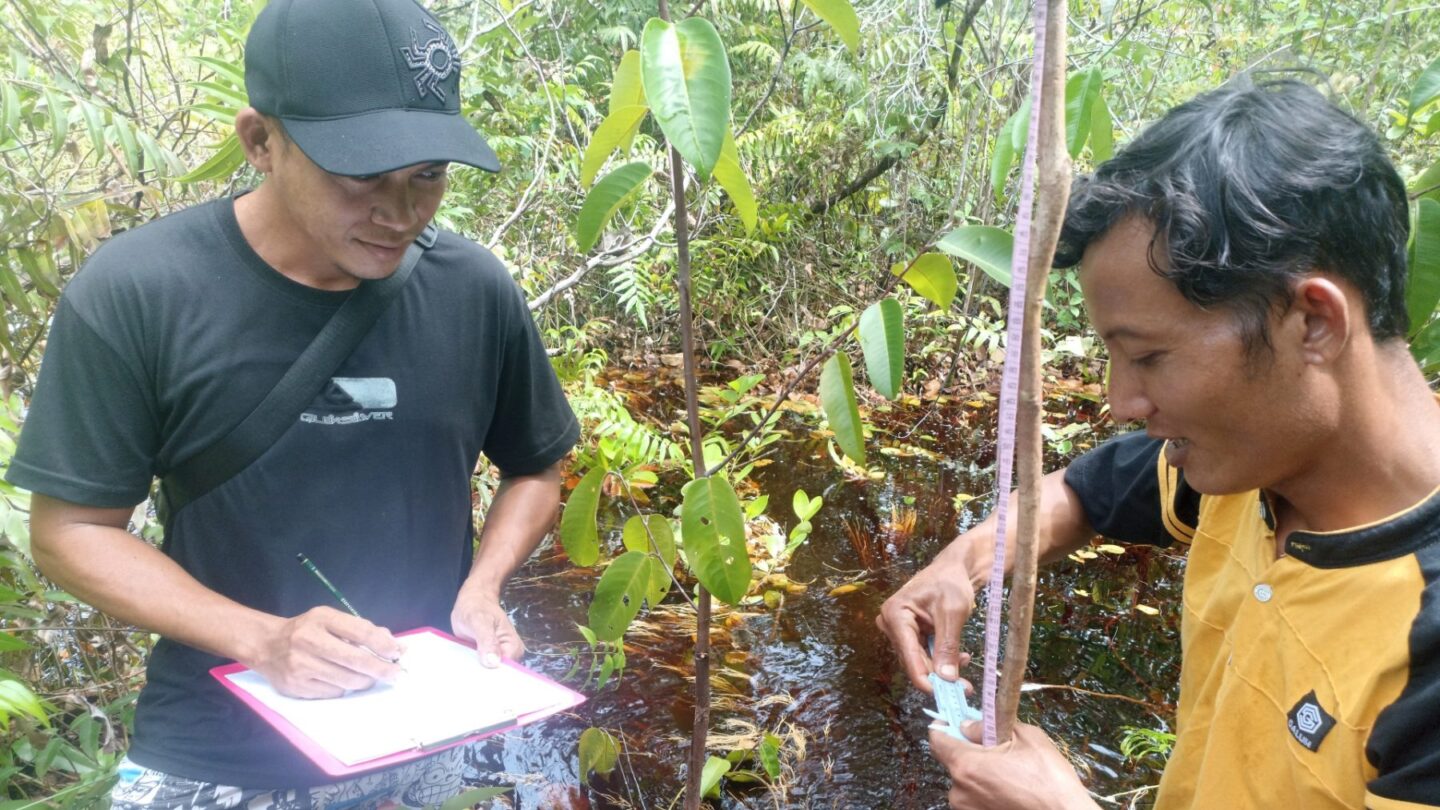
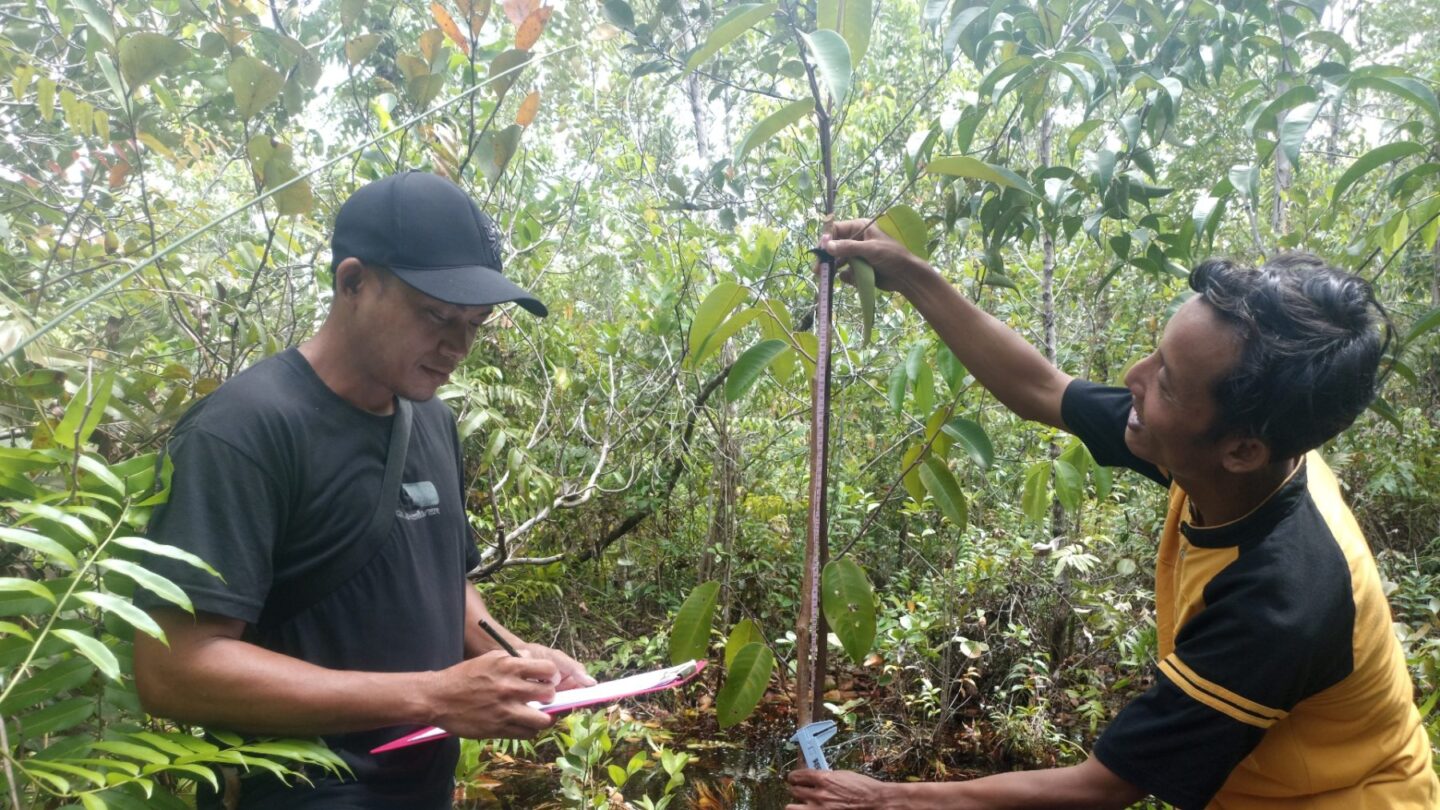
Various trees have been labelled. In this way, Borneo Nature Foundation can follow their growth closely. This insight helps to restore more forest successfully in the future. Finally, some of the trees that did not survive were planted again.
Monitoring by the local team
Apart from forest restoration, this project is also about people. Local families from some seven different villages work in nurseries, plant trees, install dams and do long-term forest management. For this, Borneo Nature Foundation provides training and equipment, making the project render extra work and income.
Beside this, families partake of projects such as setting up kitchen gardens and beehives for honey production. Produce is sold in local markets, rendering extra income. All of this contributes to the motivation of people to protect the forest permanently and cooperate on the project.
Dams being installed by the local team
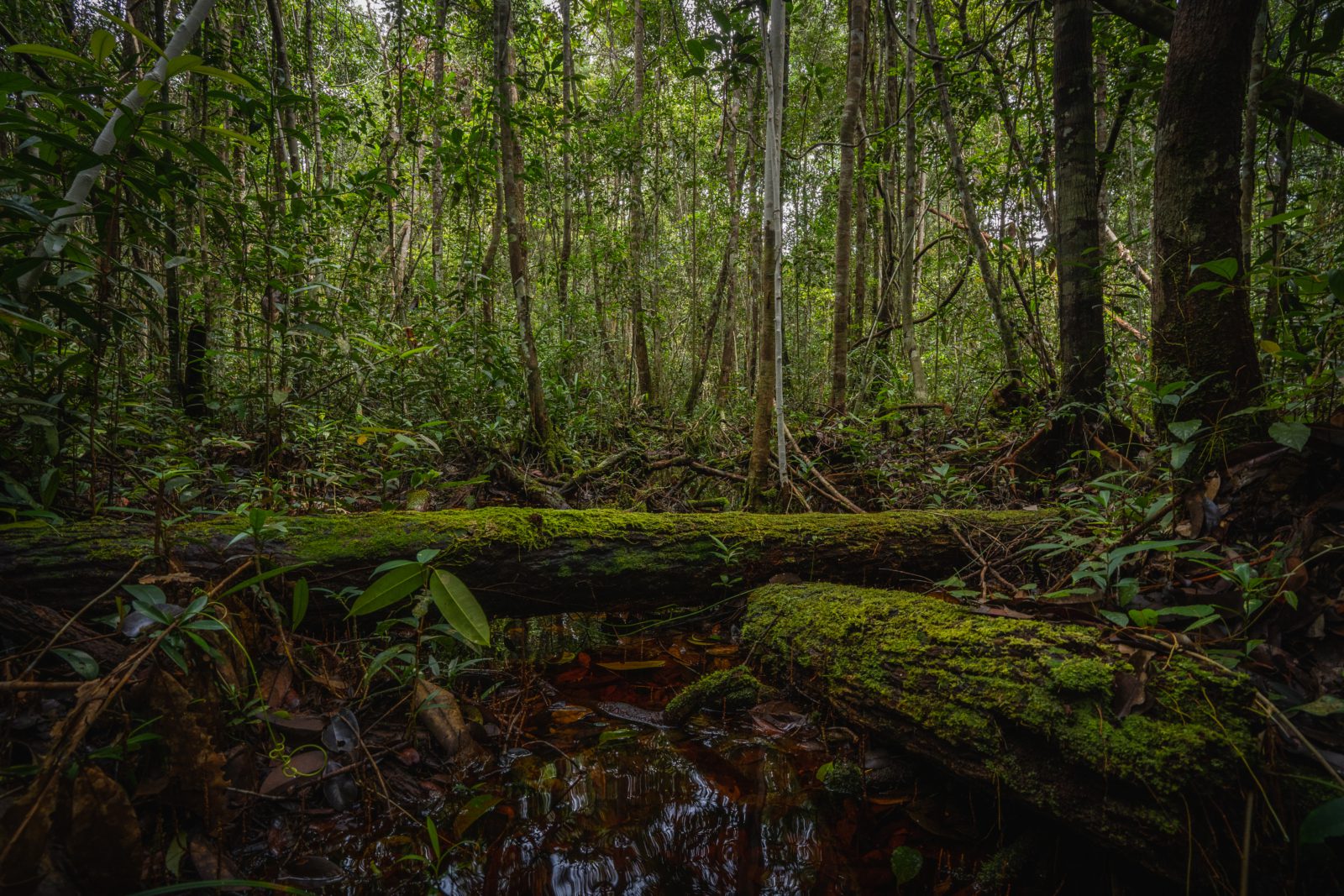
Not all of the burnt ground in Sebangau National Park has been restored. That is why in 2026 we are going to plant another 50,000 trees to expand forest restoration. Your support helps us to realize this. Thank you very much!
Plant a tree (again)