Study shows: trees may triple availability of water in Bolivia
23 March 2026

23 March 2026
Water shortages are a daily reality in the Bolivian Andes. That is why Trees for All is committed to reforestation here, working together with local partners and communities. And the impact is highly promising! A recent study shows that reforestation enables the soil can retain on average three times more water over a ten-year periode. An increase of 300%! This means more water, more food and a safer environment for people who live here.
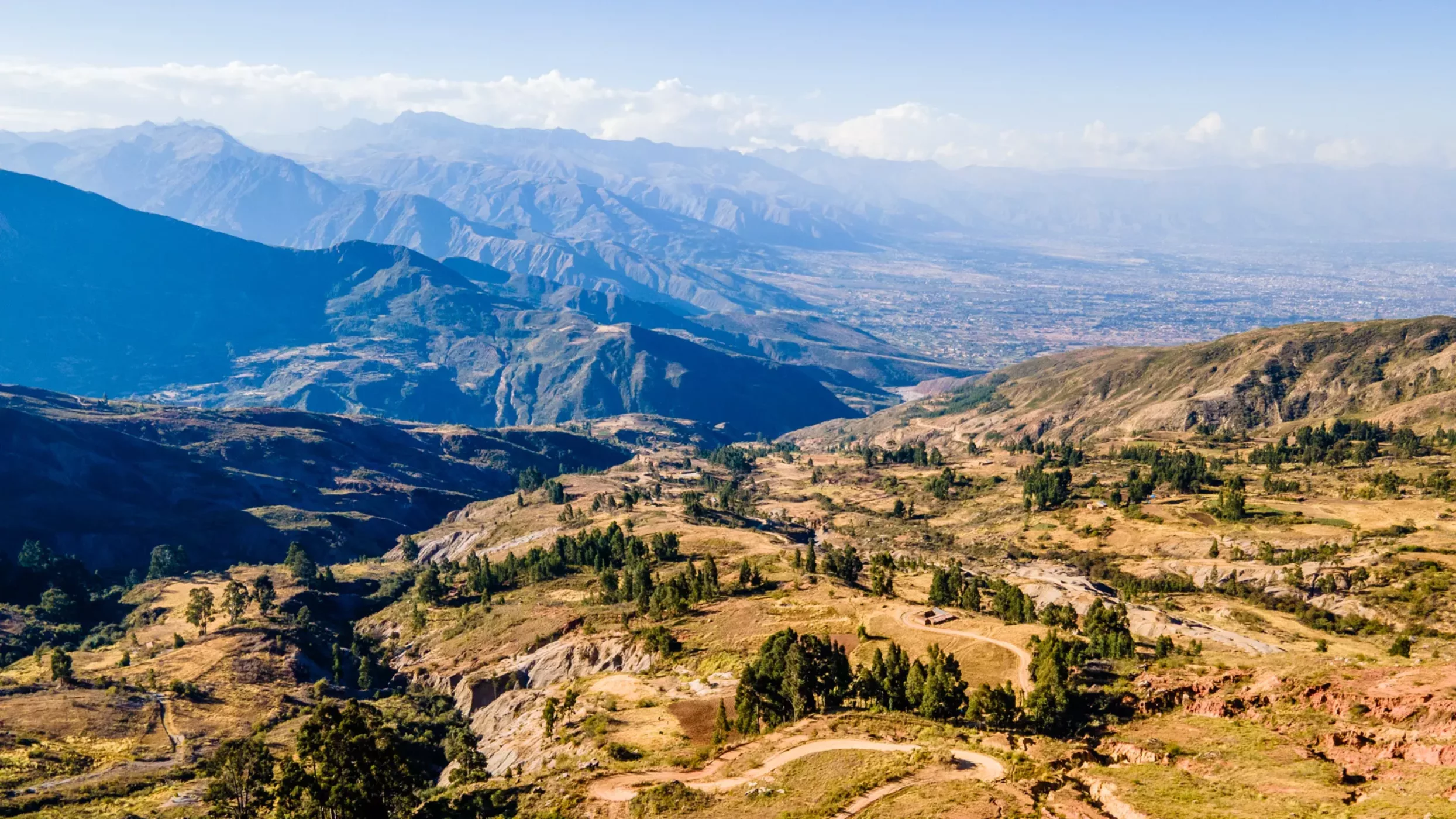
The Bolivian Andes have been becoming increasingly drier for years. Many native trees and shrubs have disappeared. For this reason, the soil can hardly hold any rainwater and people in the region suffer from water shortages.
Climate change aggravates this problem. The region has little precipitation. And when it does rain, the water often runs downhill immediately, which leads to mudflows and erosion. This has large consequences for local communities – which make a living from mainly agriculture. Less water, namely, leads to less fertile soil and therefore to less food and certainty.
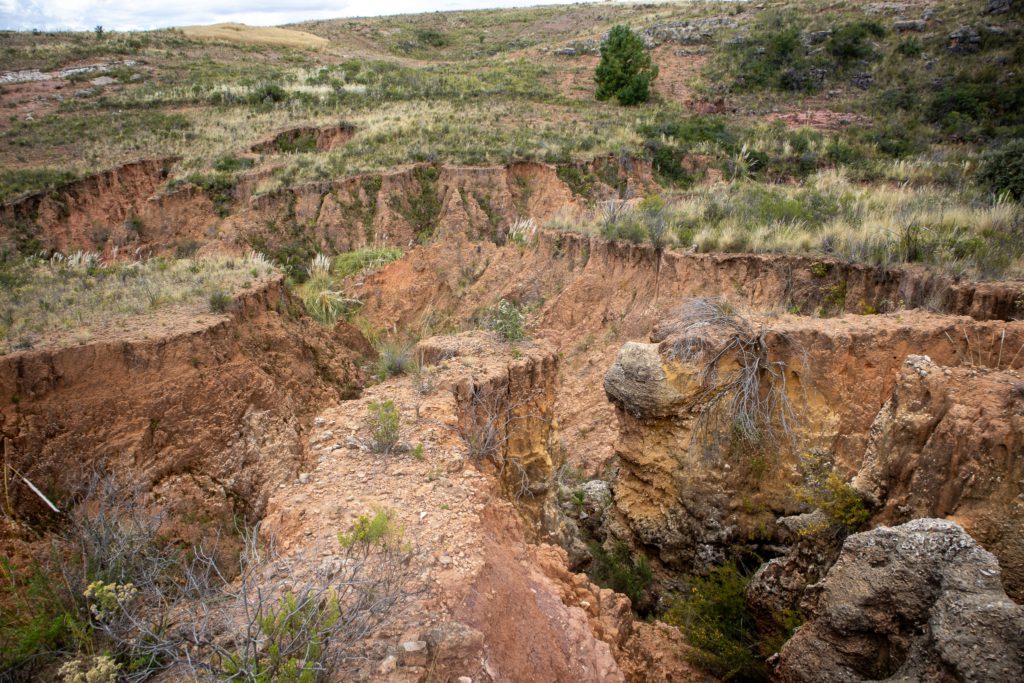
Erosion in the Bolivian Andes.
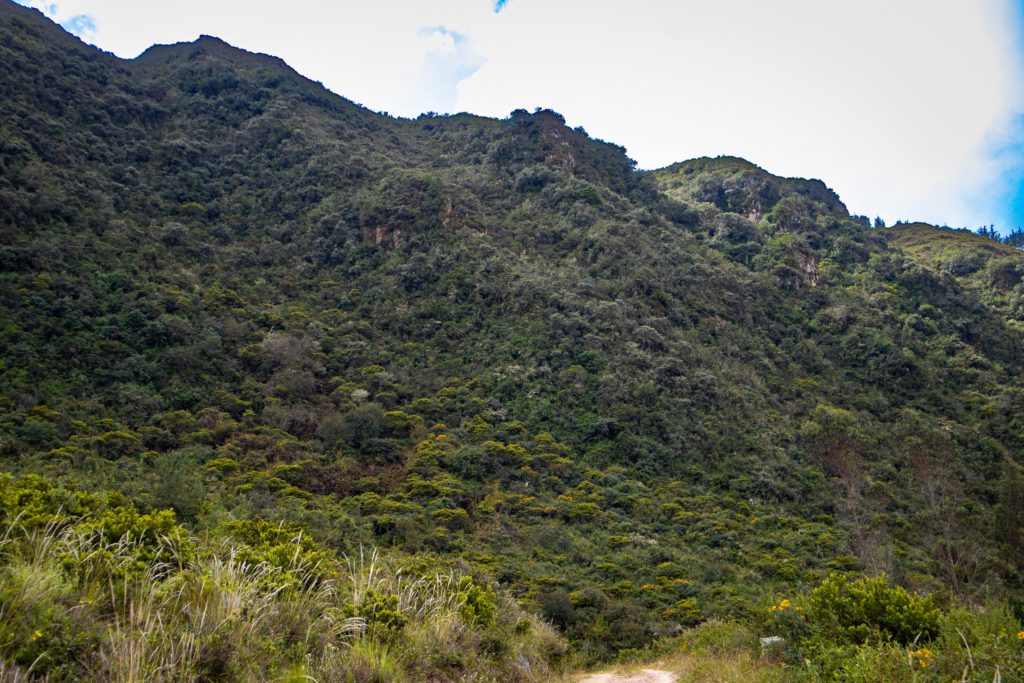
Forested hillsides: that’s just how we like it!
Fortunately, there is hope: in the form of trees. By means of their roots, trees keep the soil together, as it were. They create a strong, airy soil, which is better able to absorb and hold rainwater. And such fertile soil forms the basis for food production.
How large is the effect of trees on the availability of water exactly? BioGrowth Development examined it in a 300-hectare area where Trees for All plants trees. The consultancy analyzed countless data about precipitation, landscape, soil and plantation. With promising conclusions!
Based on the study we expect the following results:
After ten years, on average the soil will be able to hold three times more water than now.
That boils down to roughly 8,000 bathtubs full of water per hectare!
Below the surface the water flows to the water reservoirs used for food production by the local population.
Besides, the researchers expect fewer floods (such as mudflows), less erosion and less dehydration of the soil.
To sum up, trees render more water in the soil, less damage because of extreme weather and more security for the people who live by the land. Your support makes this possible.
The impact of reforestation is evident not only in the figures, but also in the field. In the past few years, we have been able to plant nearly 300,000 trees across the Bolivian Andes, thanks to our donors. Such in cooperation with our partner Samay Foundation, which in turn cooperates with local communities that plant and maintain the trees. They see the landscape change, slowly but surely, and watch the water return.
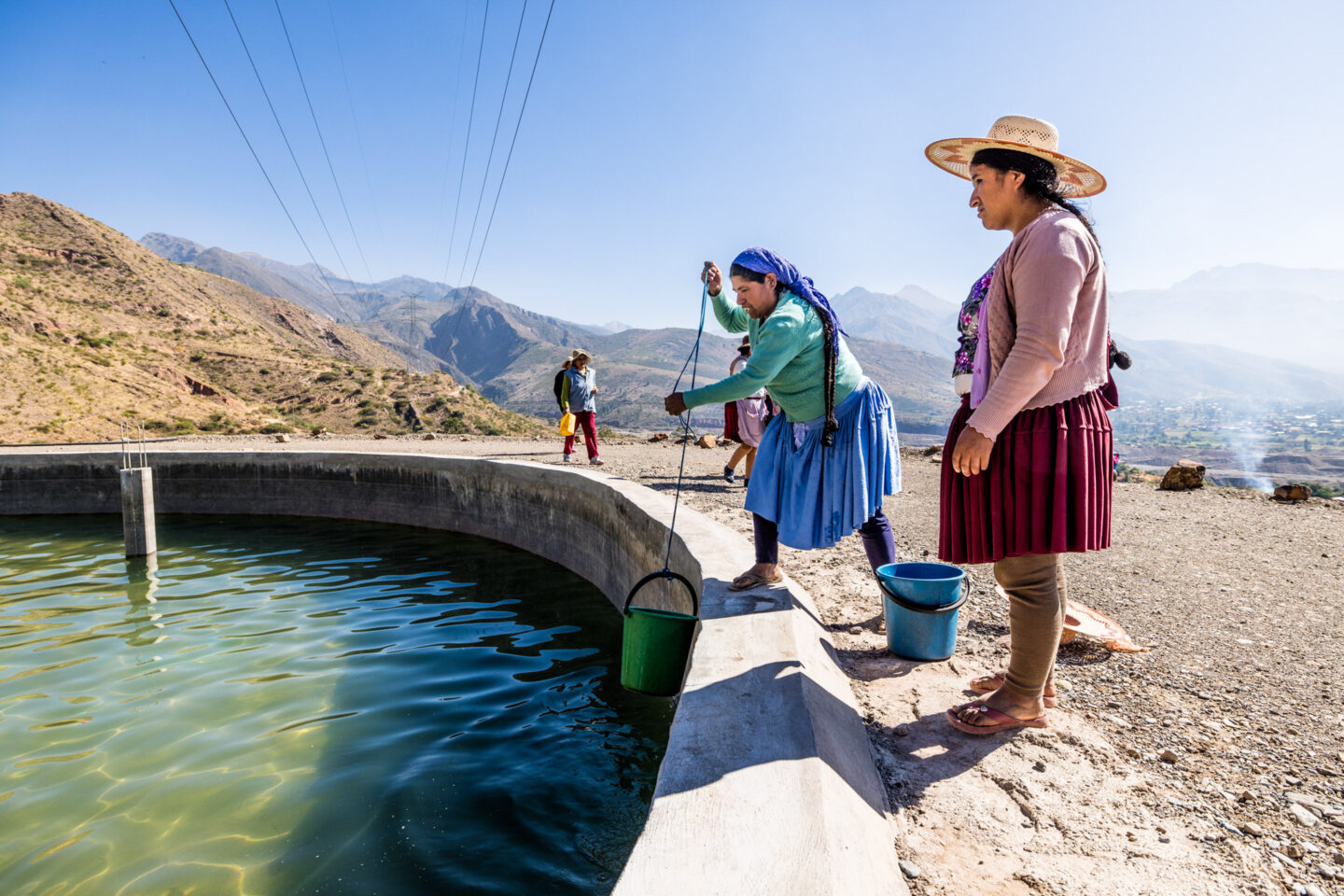
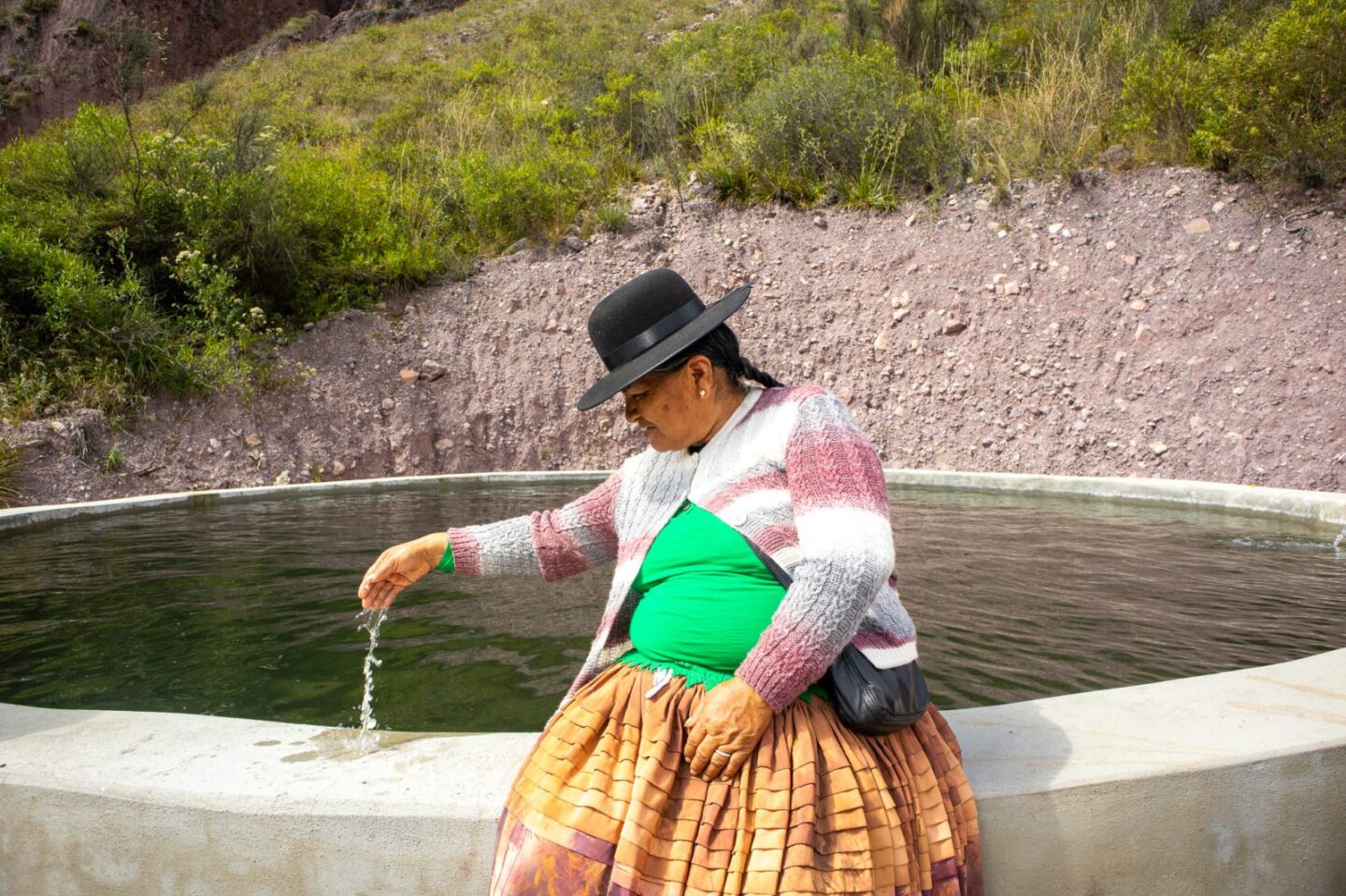
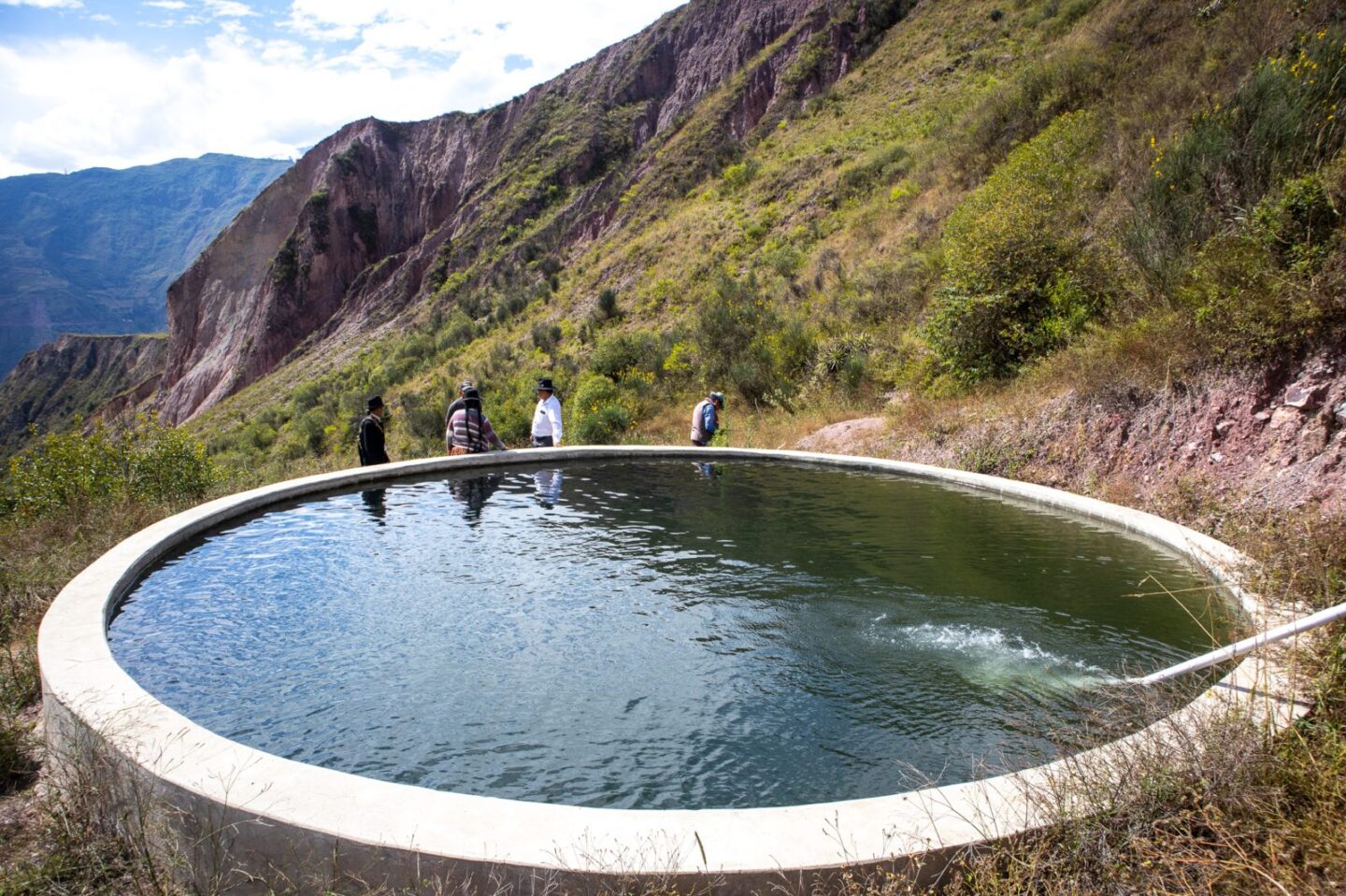
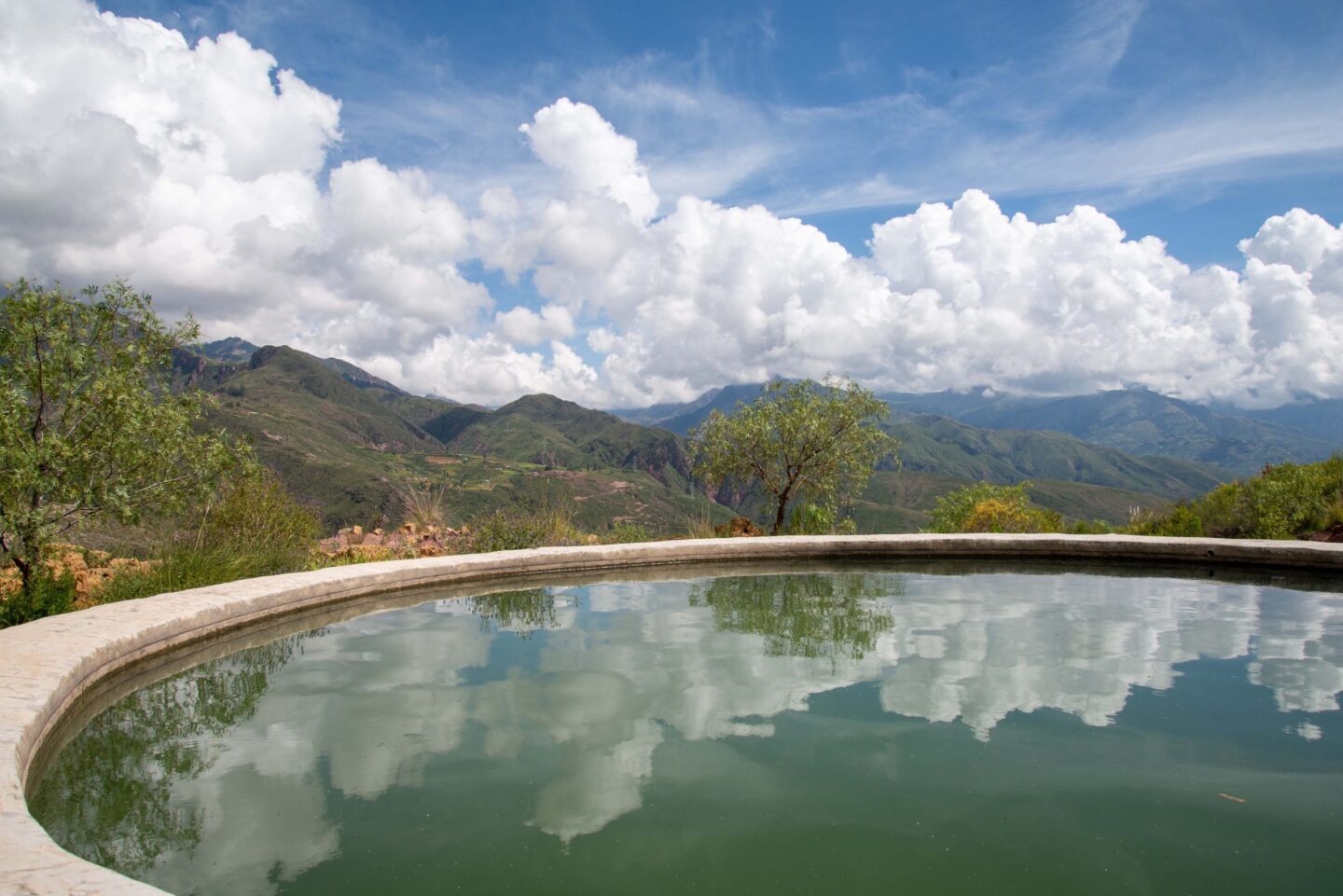
A part of the trees grows in so-called infiltration areas, where rainwater falls naturally. Thanks to the trees, rainwater is better able to infiltrate into the soil. Next, it flows below the surface to water reservoirs which local communities have constructed themselves. They use this water for irrigating their agricultural crops, for example.
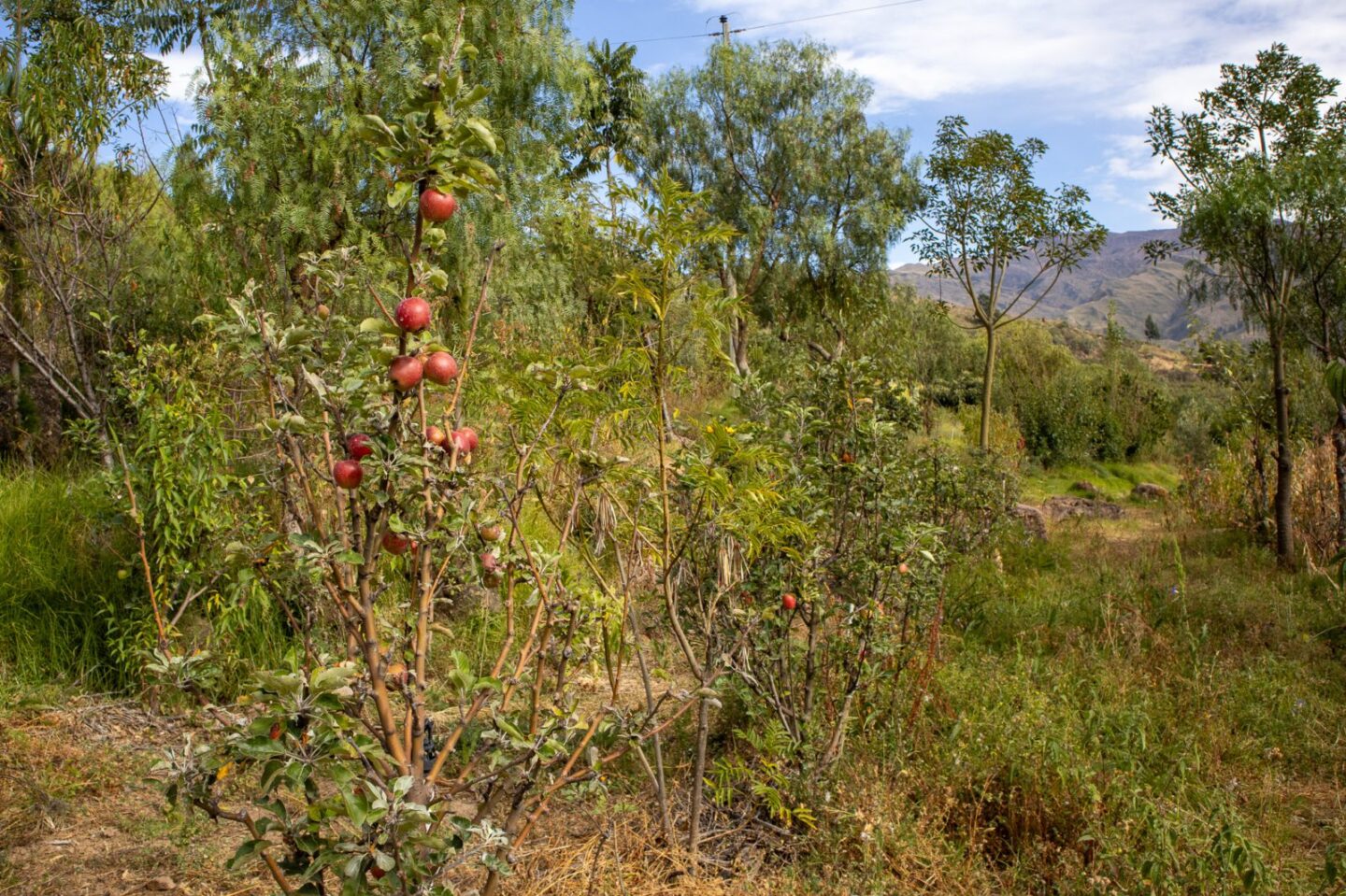
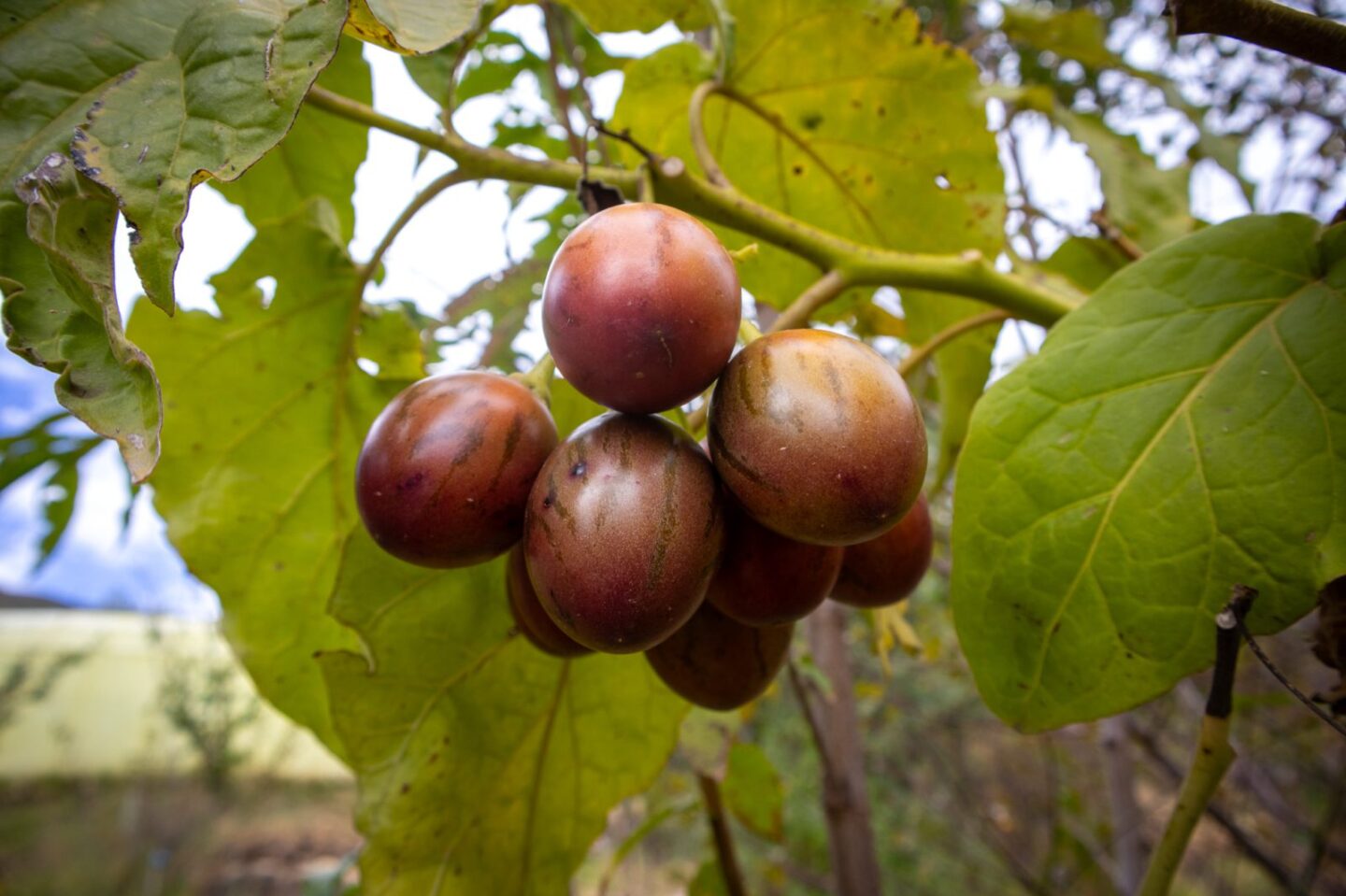
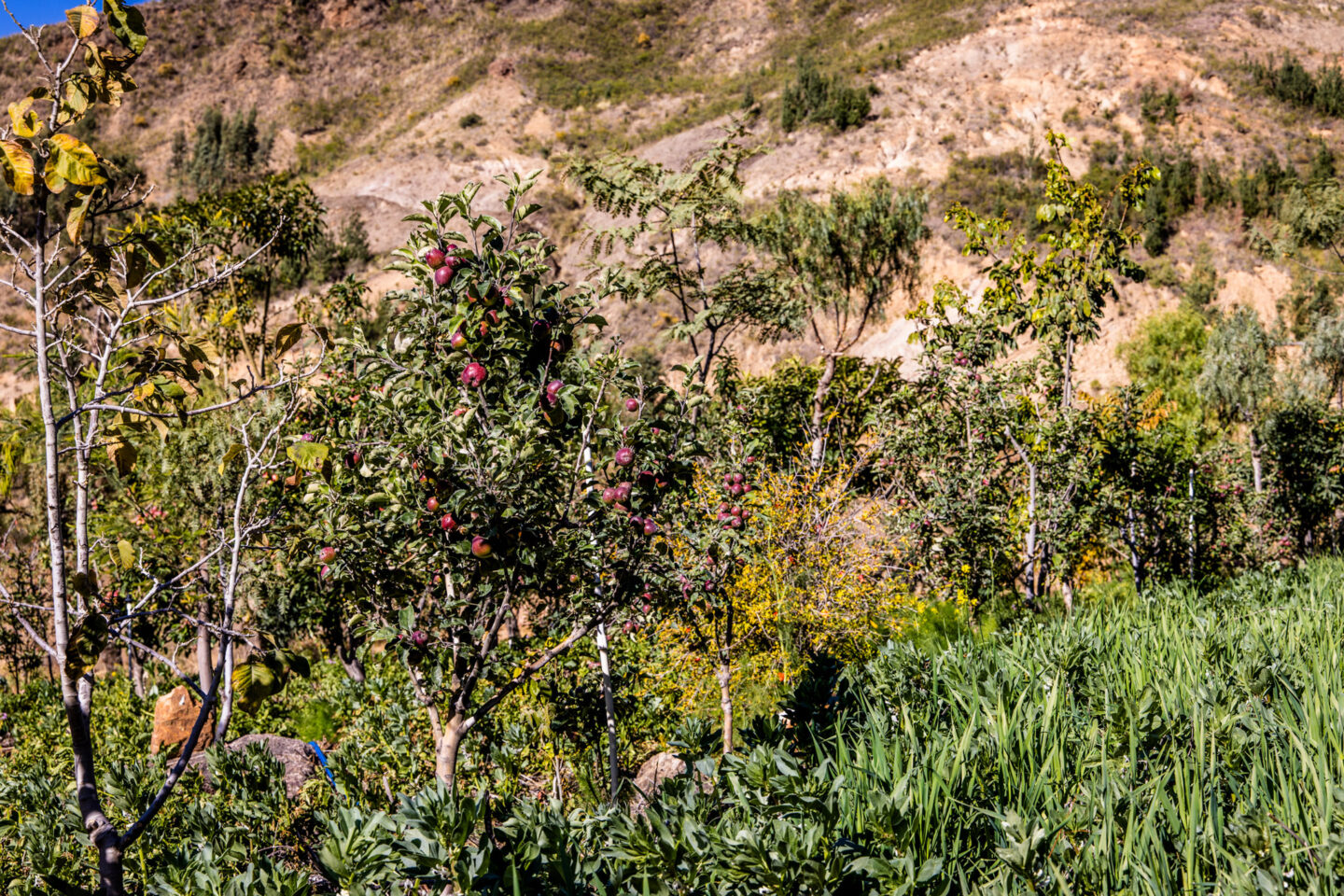
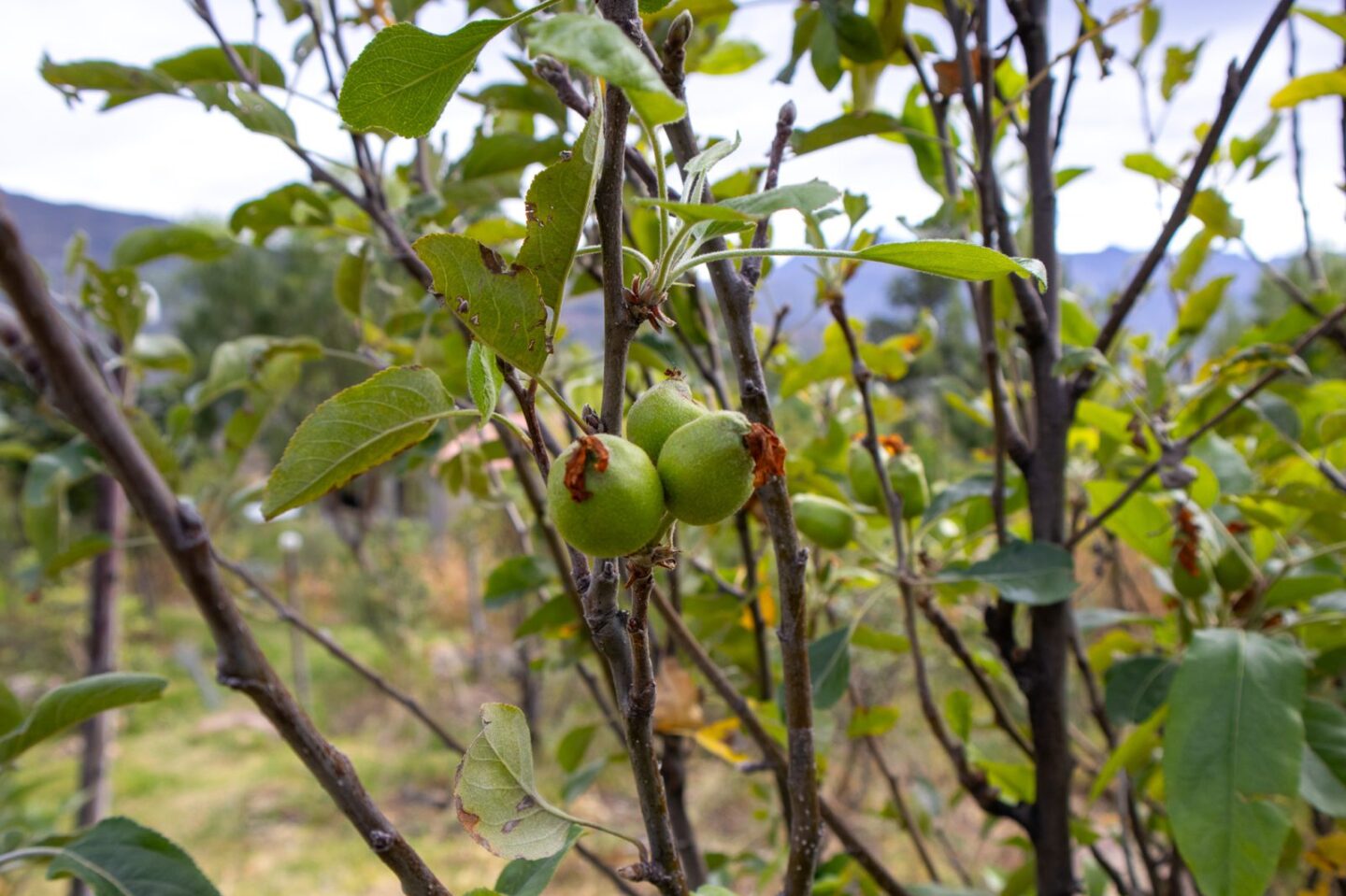
The people also get support at their switch to agroforestry. Farmers’ families learn how they may grow other crops among the (fruit) trees, such as vegetables, fruit and legumes. The result is soil which regenerates, water that flows slowly through the area an young trees full of fruit.
More resultsOur practical experience and the study show how enormously powerful reforestation is. Not only for restoring nature, but also for investing in water certainty, food certainty and safe surroundings for people. For that reason, we want to help more communities in Bolivia plant trees in the next few years. Would you like to contribute? Your donation grows trees and brings the water back!
Plant a treeBioGrowth Development specializes in measuring the effects of nature-based solutions, such as planting trees. For this study the consultancy combined all sorts of data to chart the effect of reforestation.
Meteorological data of, for instance, climate change and precipitation was taken into account. Also, topographical and hydrographical data were dealt with, in order to chart water balance and water storage. Finally, botanical information was used, such as biomass, carbon storage, height and growth of the plantation.
This analysis was carried out in an area of about 300 hectares and based on the plantation of 50 different species of trees and shrubs. The construction of ditches and dams was also taken into account. On this basis, BioGrowth determined the amount of draining water, the speed at which water flows through the area, and the time it takes for the water to infiltrate into the soil.
Finally, BioGrowth supplied additional advice on suitable species of trees and shrubs for this specific region. This helps us to expand the project further and to regenerate more forest successfully.
More about the project