Seifu from Ethiopia: “We need trees to survive here”
13 October 2025

13 October 2025
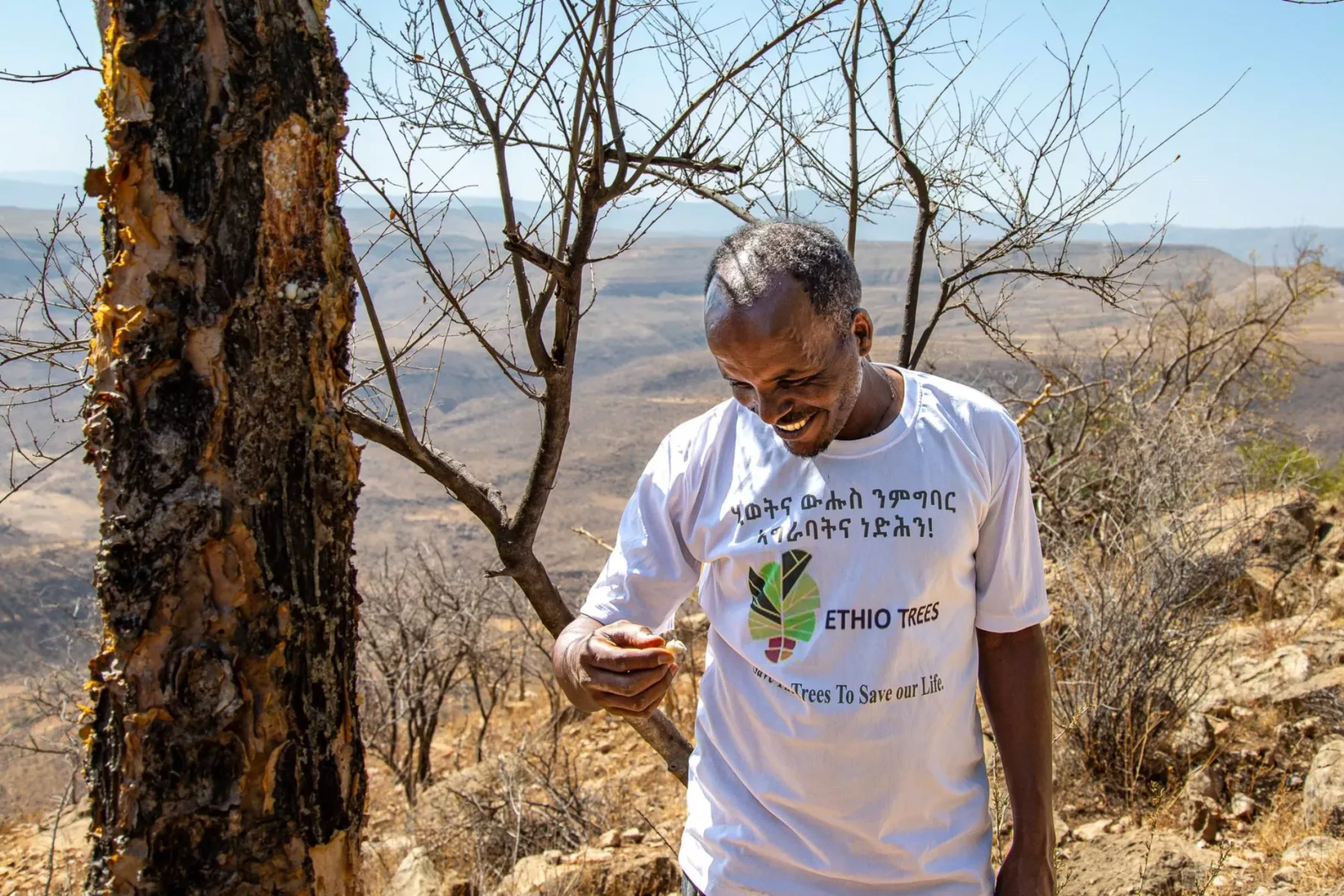
Establishing a successful tree-planting or reforestation project requires courage and perseverance. In our ‘Project Heroes’ series, we speak with the people behind the projects we support. This time, Seifu Gebreslassie (39), coordinator of the EthioTrees project in Tigray (Ethiopia), where trees are essential for survival.
Since 2023, Trees for All has been supporting the EthioTrees project in the Tembien Highlands (Tigray). We help local communities restore forests and implement agroforestry to improve their food security and income. Agroforestry is a sustainable farming method in which local farmers plant (food-producing) trees and crops. It is a sustainable alternative to traditional farming. Thanks to the donations Trees for All receives, more farming families are able to switch to agroforestry.
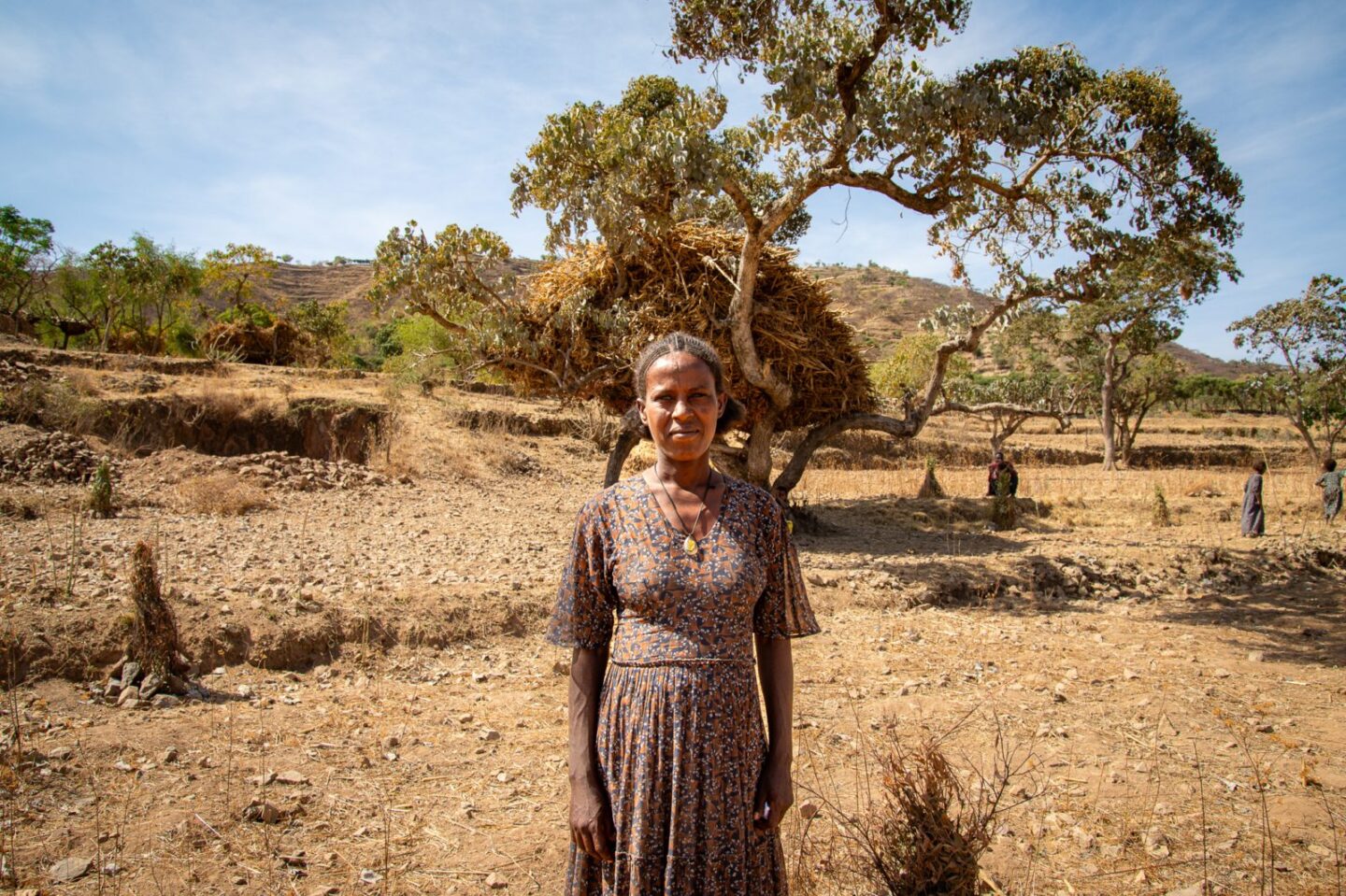
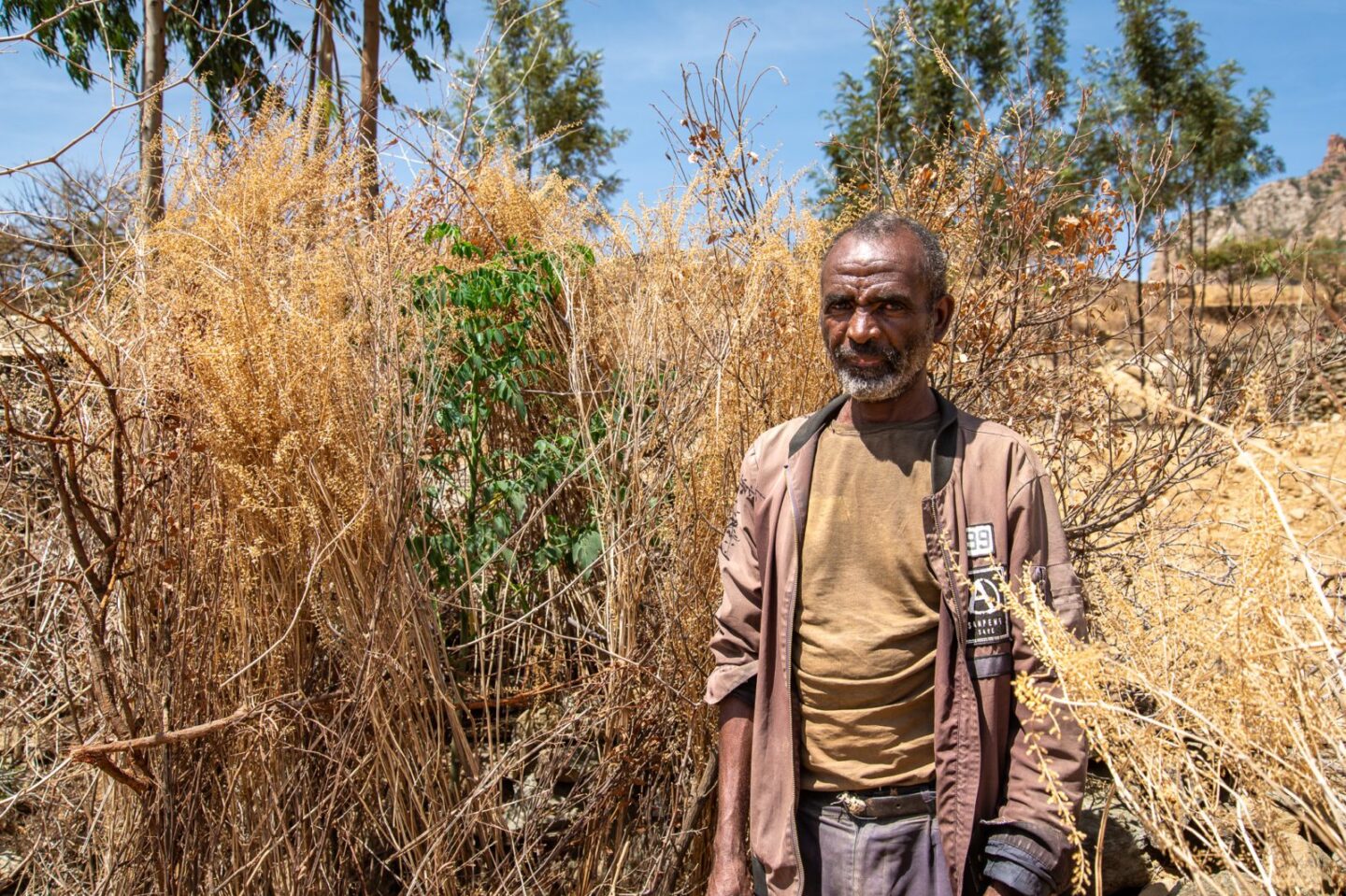
Seifu Gebreslassie knows better than anyone how desperately trees are needed in the Tembien Highlands of Tigray. Most people here depend on agriculture for their livelihoods. However, over the years, he has witnessed the land becoming increasingly dry due to climate change and unsustainable farming practices.
Food shortages in Tigray are therefore the rule rather than the exception. “Without trees, farmers have no fertile soil to grow food,” explains Seifu. “We need trees to survive here.”
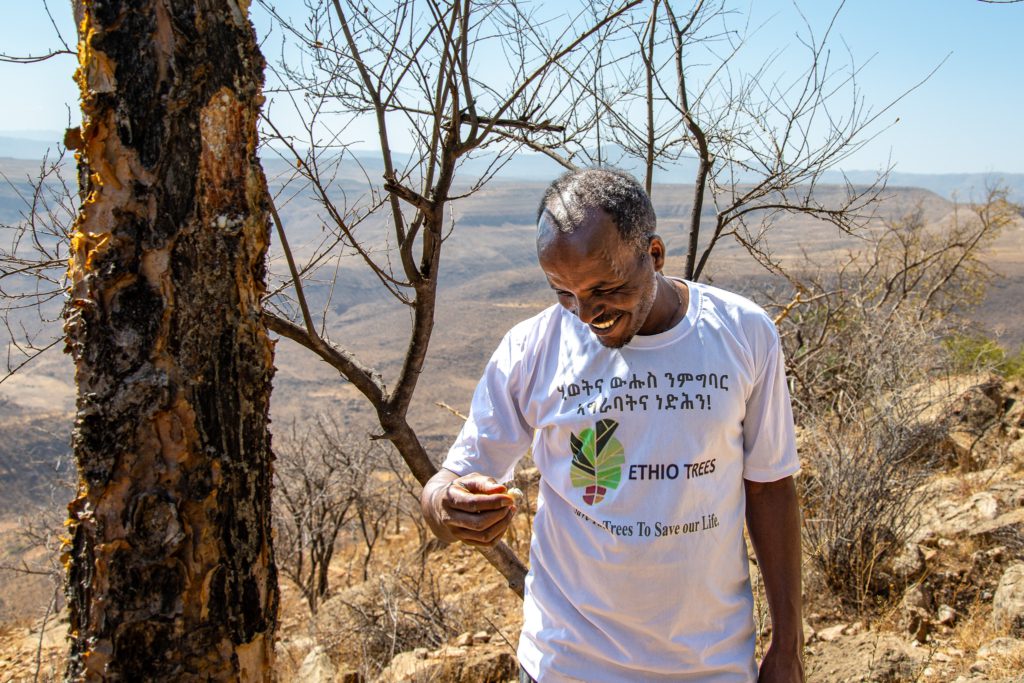
This is an important motivation for Seifu to get committed to forest management. After obtaining his university degree in Forestry, he worked for the Tigray government for five years while, where he met PhD students Jan Neyssen, Sil Lanckriet and Miro Jacob from Ghent university in 2016. At the time, they were researching the impact of climate change on land use in the Tembien Highlands.
Seifu: “They also saw how difficult it is to grow food here. That’s how the idea for EthioTrees was born, to improve people’s living conditions through sustainable forest management.”
The trio joined forces. As project leader, Seifu became responsible for the daily operations of the project. This role perfectly suited to him, because of his strong relationships with both local communities and government agencies.
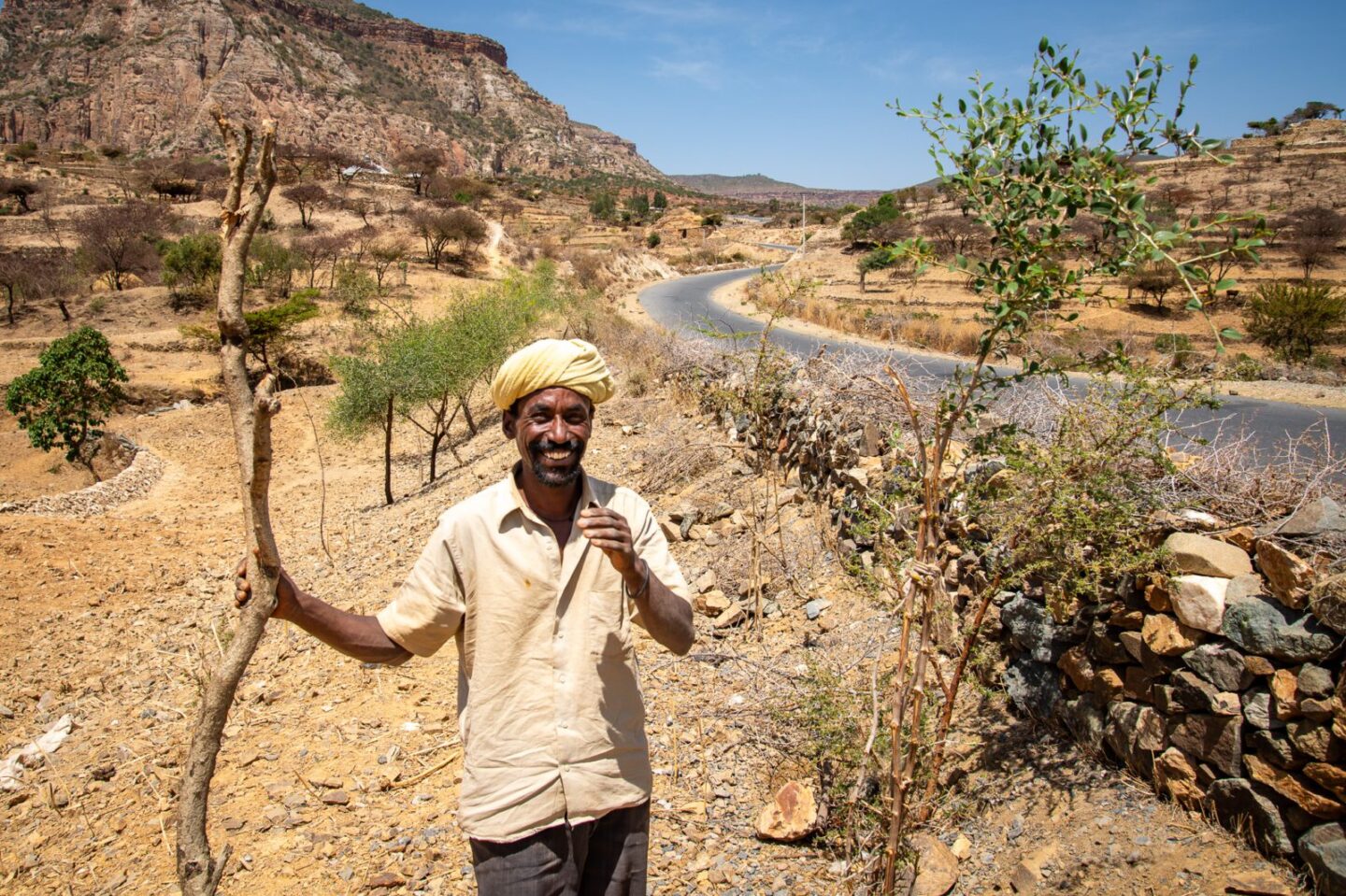
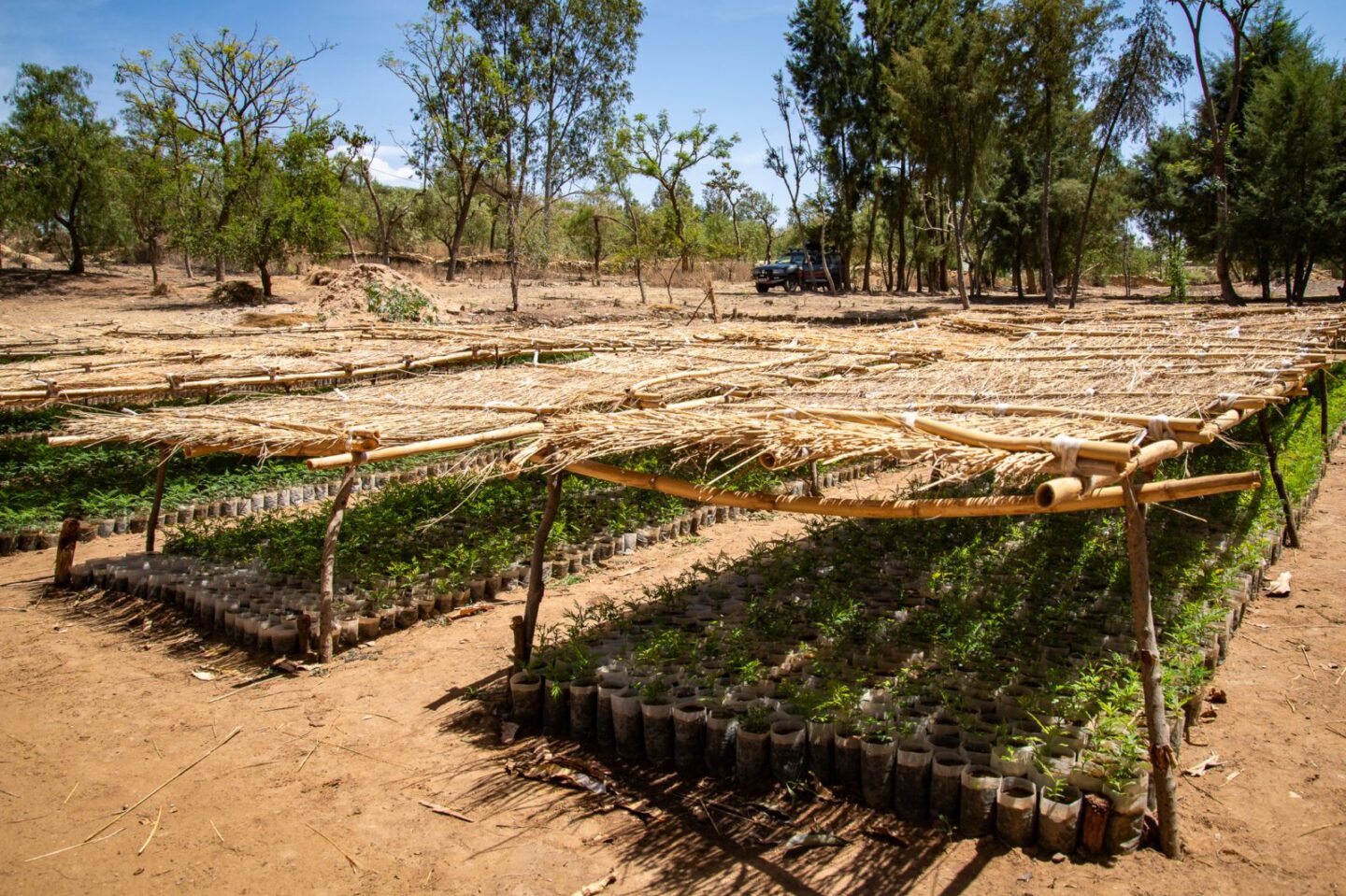
“We started with nature restoration in exclosures”, says Seifu. These are communal land areas, where farmers promote nature restoration by stopping logging and livestock grazing. They also dig water infiltration trenches to improve soil and water management, and plant trees in areas where nature itself will no longer get going.
“We have already restored 68 exclosures”, Seifu says proudly. “It had a second positive effect. When people saw nature getting back, they came asking if we could also help with agroforestry, an ancient tradition here.”
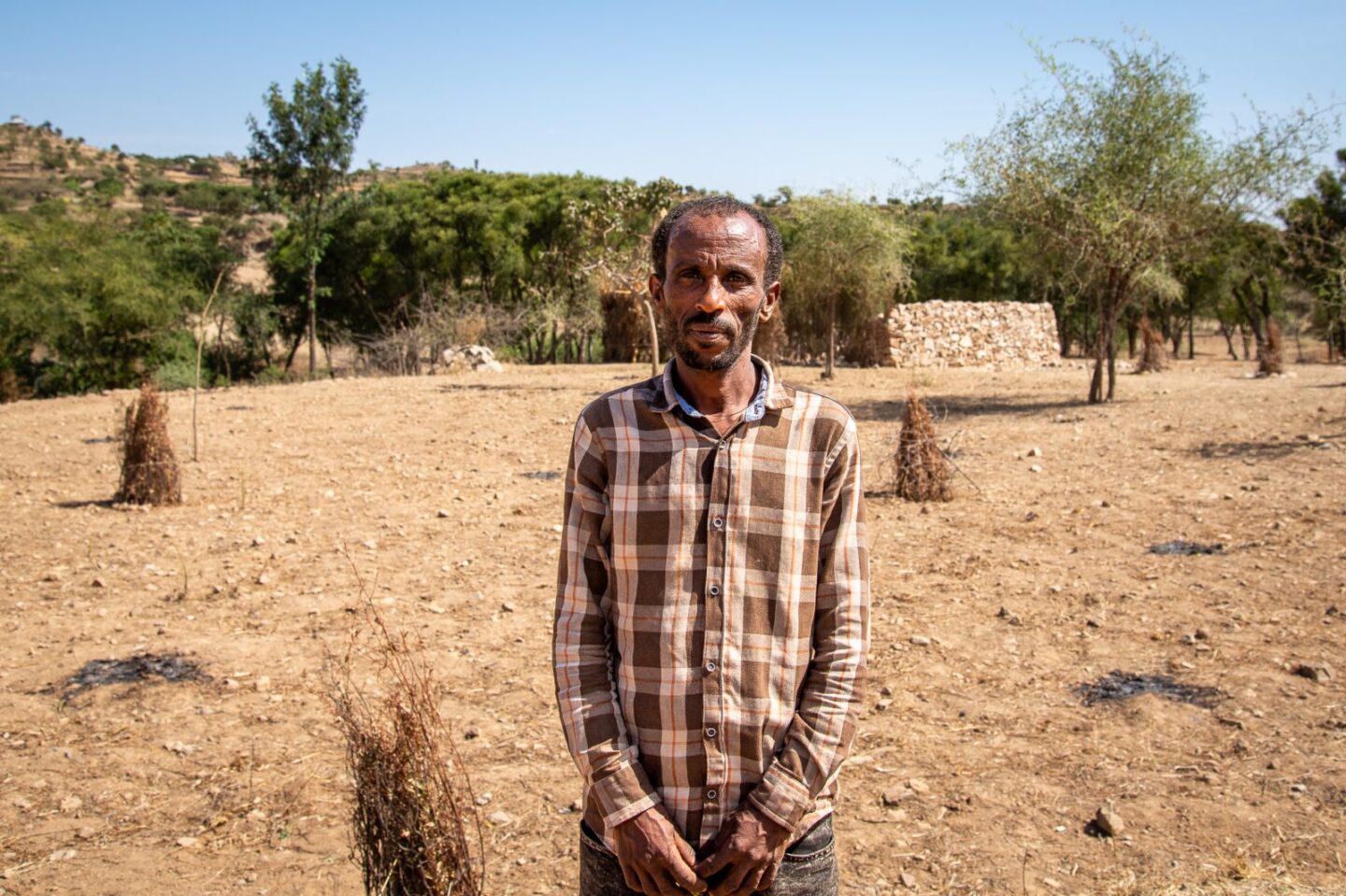
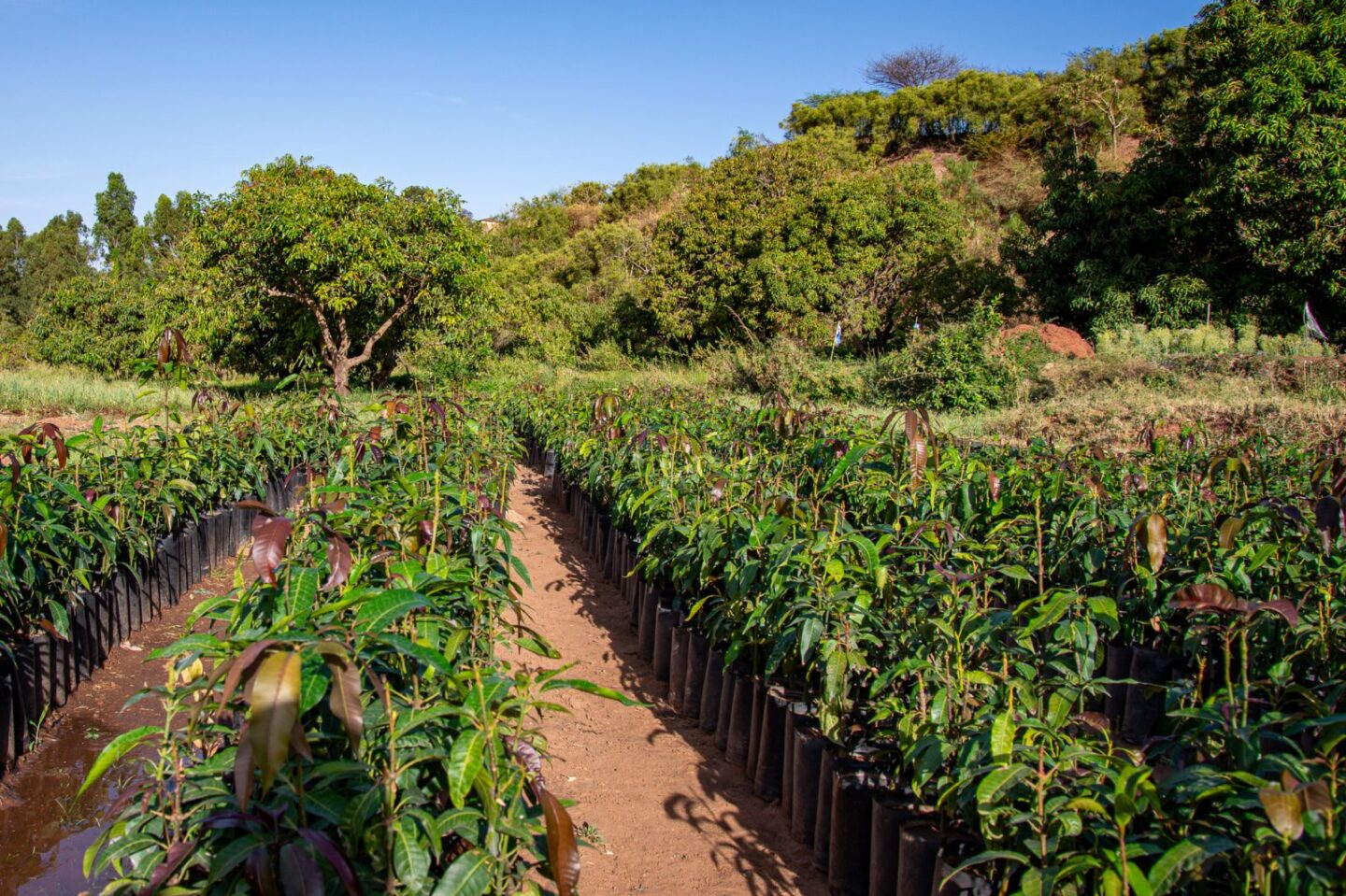
This sustainable farming method involves planting a combination of trees and crops, such as maize, sorghum, and teff – a traditional grain. “For many farmers, agroforestry had not been an option for years because they lacked the necessary resources or money”, Seifu explains. This is precisely where the EthioTrees project steps in.
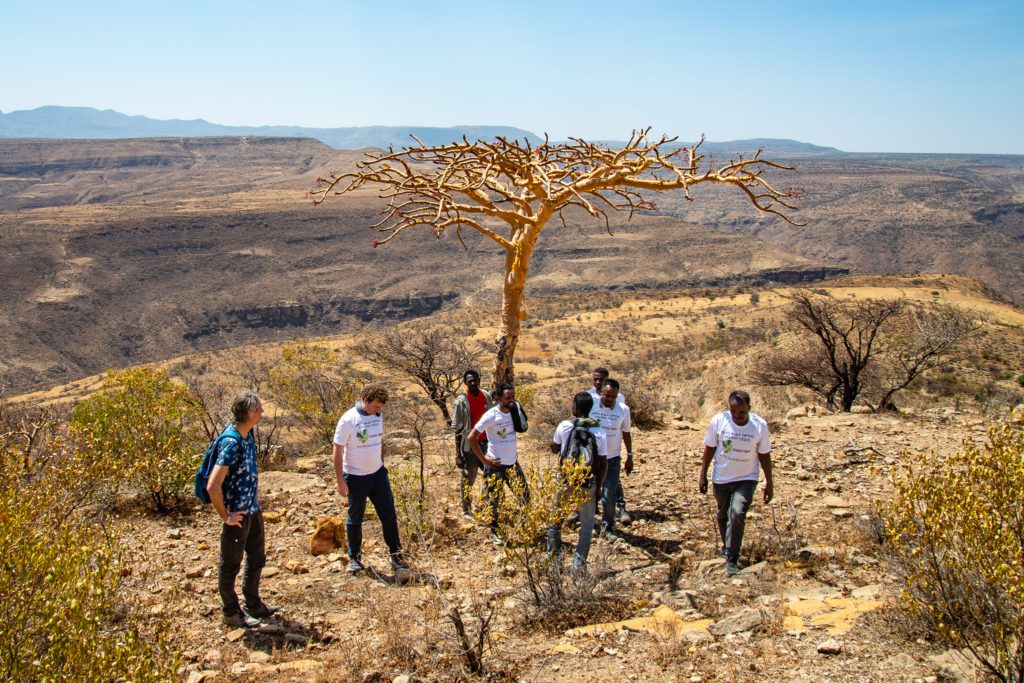
Seifu and his teams mobilise communities to participate in the project. “Farmers receive training in agroforestry. They learn which trees to plant, how to manage them, and how to generate a good income from the project.”
Additionally, the project is certified by Plan Vivo, an international standard for CO2 compensation. This means that the EthioTrees project is allowed to issue CO2 credits for the trees that are planted. Farmers and communities who make their land available for tree planting receive additional income from these credits.
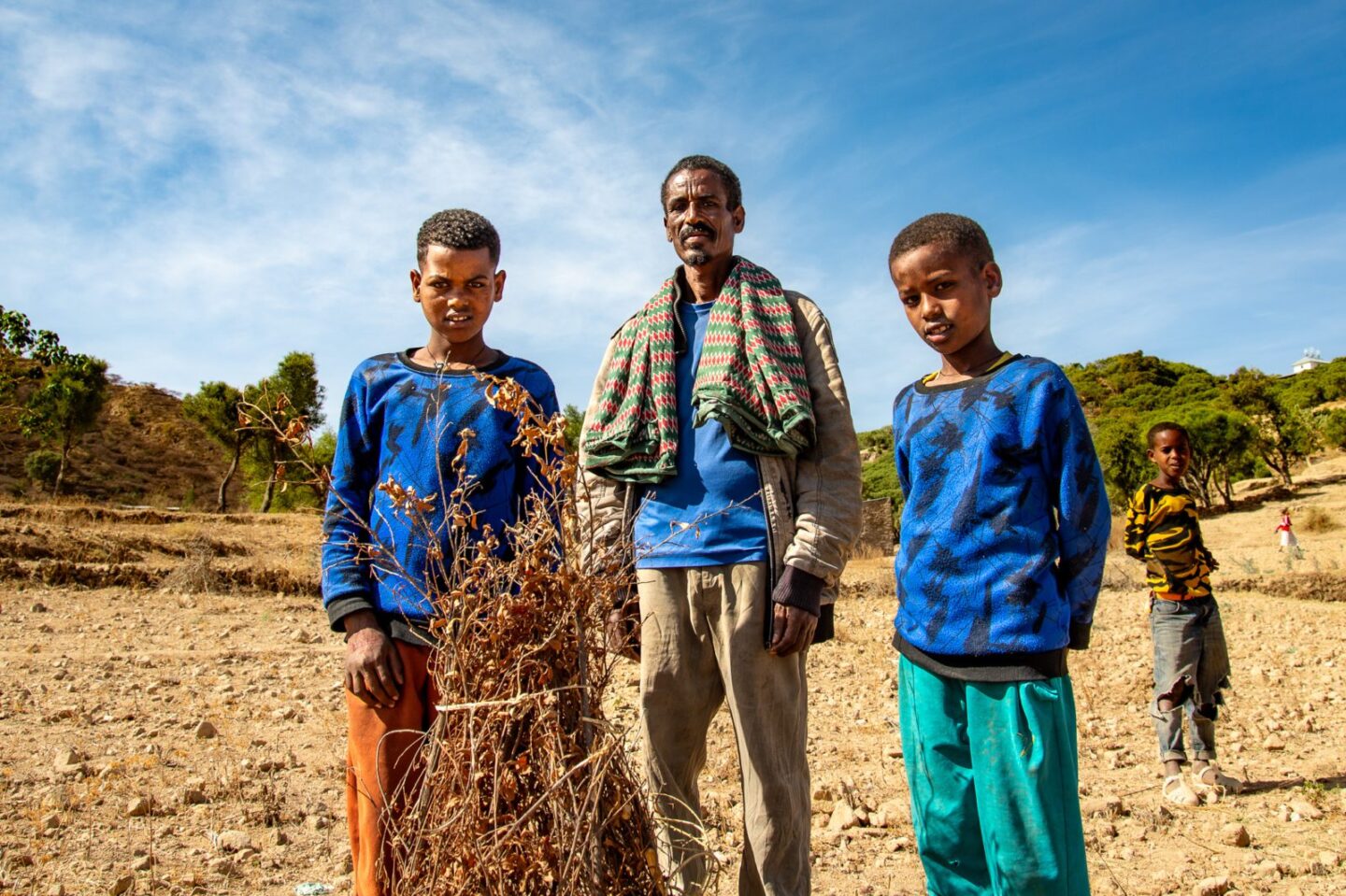
At first, it was sometimes challenging to convince people to participate, Seifu recalls. But things are different now. “After a year, people see trees growing over one and a half metres tall on their neighbours’ land. They then want that too.”
Combined with the additional income from CO2 credits, this has led to an expansion of the project. Seifu says: “At the beginning, I did everything by myself. I helped a small group of farmers who collectively owned about 712 hectares of land. Now we have 15 staff members and are helping around 24,000 households who manage 11,000 hectares of land.”
What does Seifu likes most about the project? “That it truly helps people and improves their environment,” he says. “The trees absorb CO2 and contribute to fertile soil. Besides that, on agroforestry plots multiple types of food crops grow, making people less dependent on a single crop or food imports. Trees make people more self-sufficient and resilient.”
The importance of this self-sufficiency became painfully clear during the recent Tigray war. For a long time, the region was cut off from the outside world, and food shortages worsened. Seifu explains: “During the war, people still received income from the CO2 credits. This allowed them to buy food and survive.”
Seifu’s dream is to involve many more communities in the EthioTrees project. “The motivation is definitely there. People understand they need trees and are eager to plant and care for them. But survival here is tough, so all support for tree planting is welcome. This way, we can combat poverty, improve food security, and prepare future generations to better cope with the effects of climate change.”