Restoring dune forests in Vietnam: almost extinct species of tree returns
12 May 2026

12 May 2026
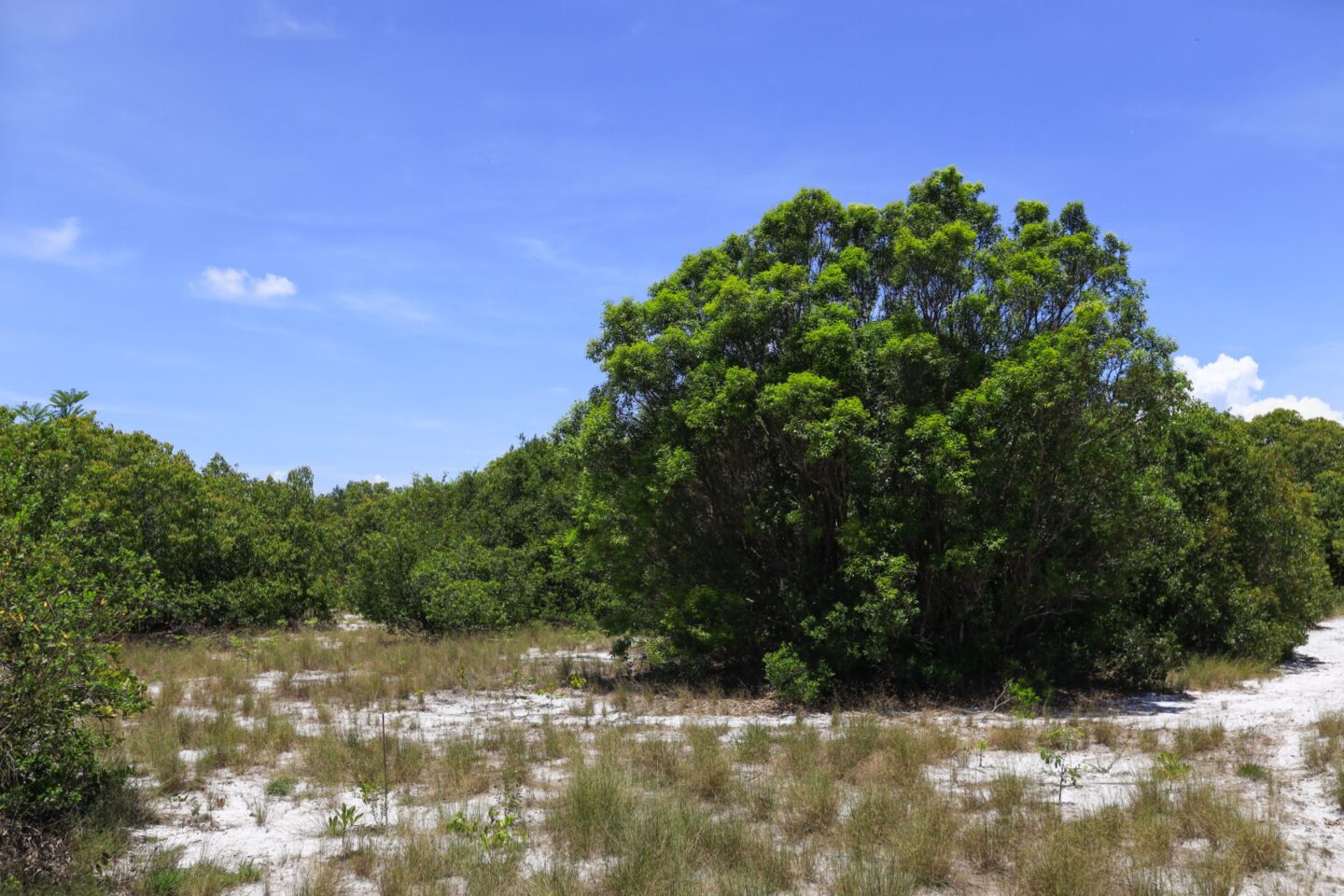
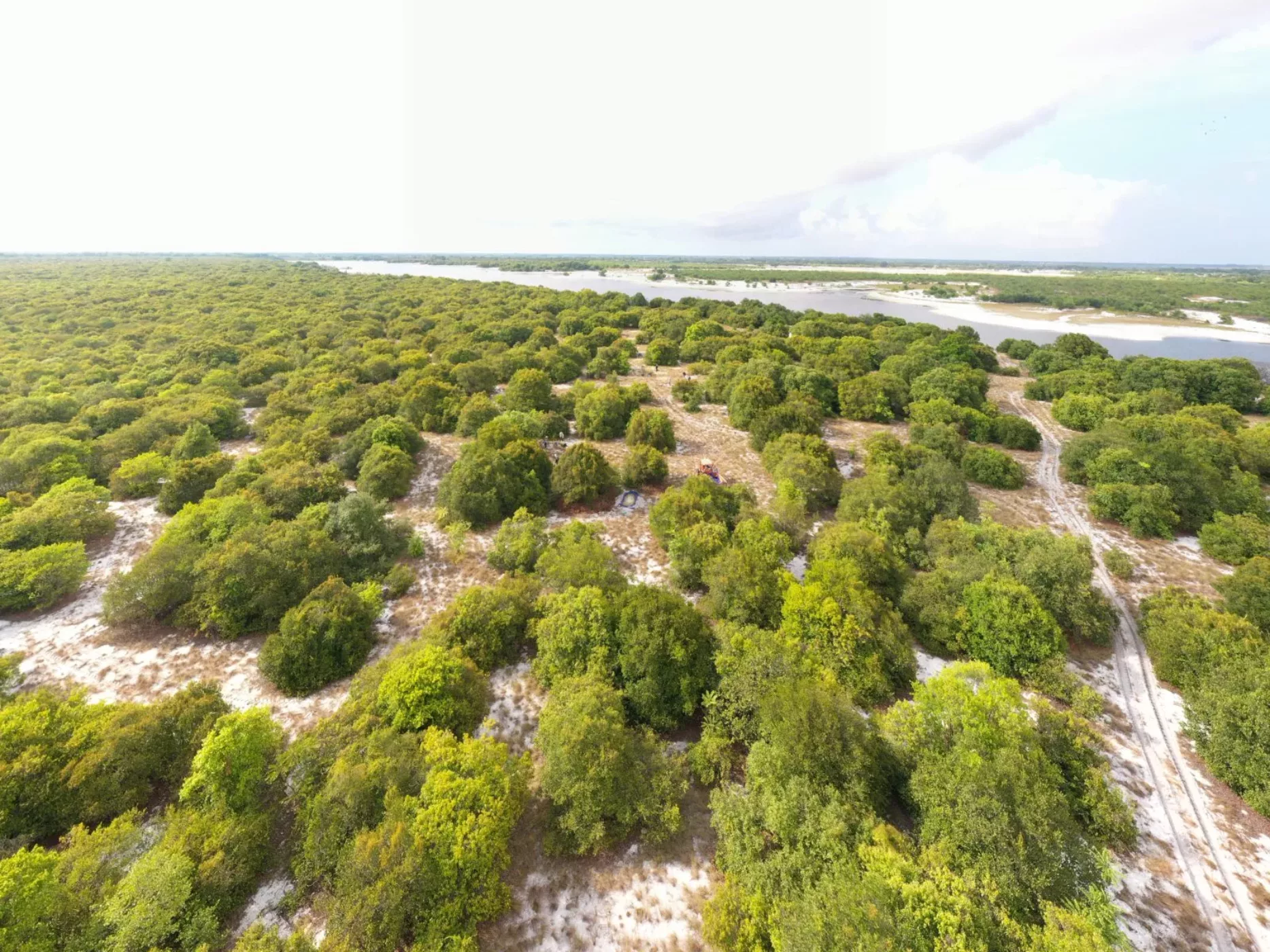
The Central Vietnam coast originally harbors miles and miles of dune forest. They protect villages from typhoons, sandstorms and floods, all of which occur more frequently and more intensely in this region. But over the years a great deal of dune forest has disappeared. Together with the local population and our partners Unique and HUSTA, Trees for All has dedicated itself to restoring the dune forests. And successfully: slowly, the white sand soil turns to green and even an almost extinct species of tree is growing back in the project location!
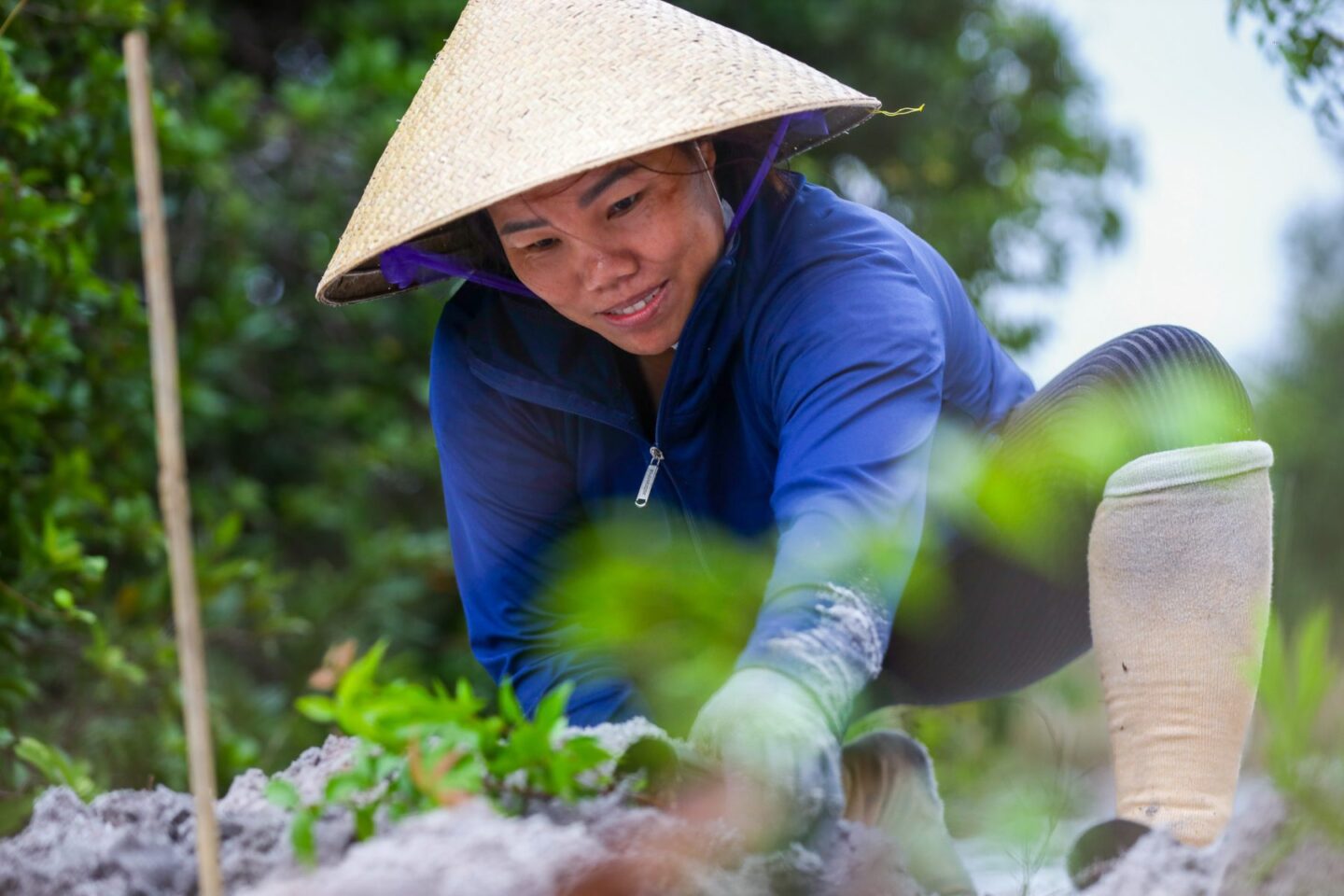
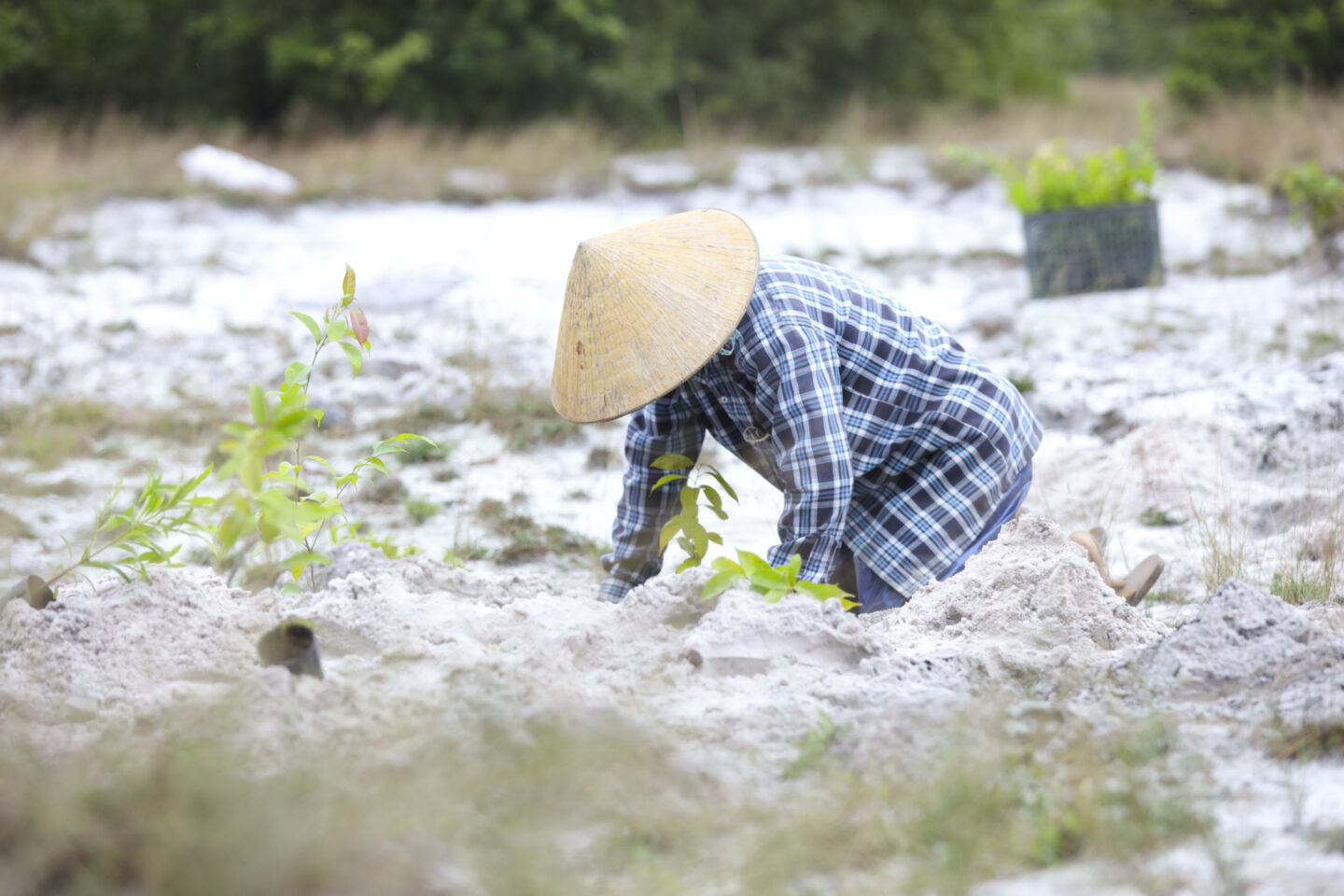
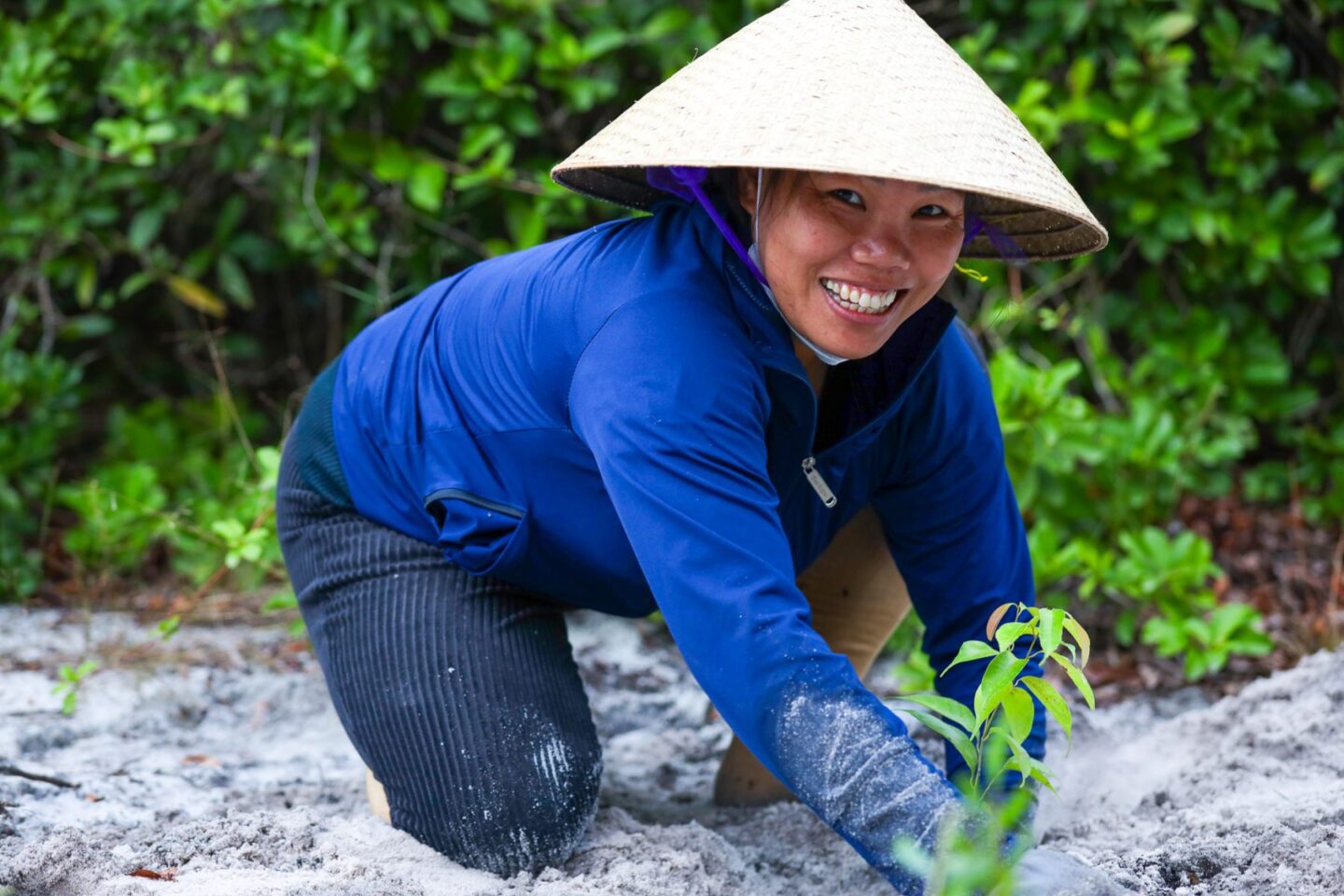
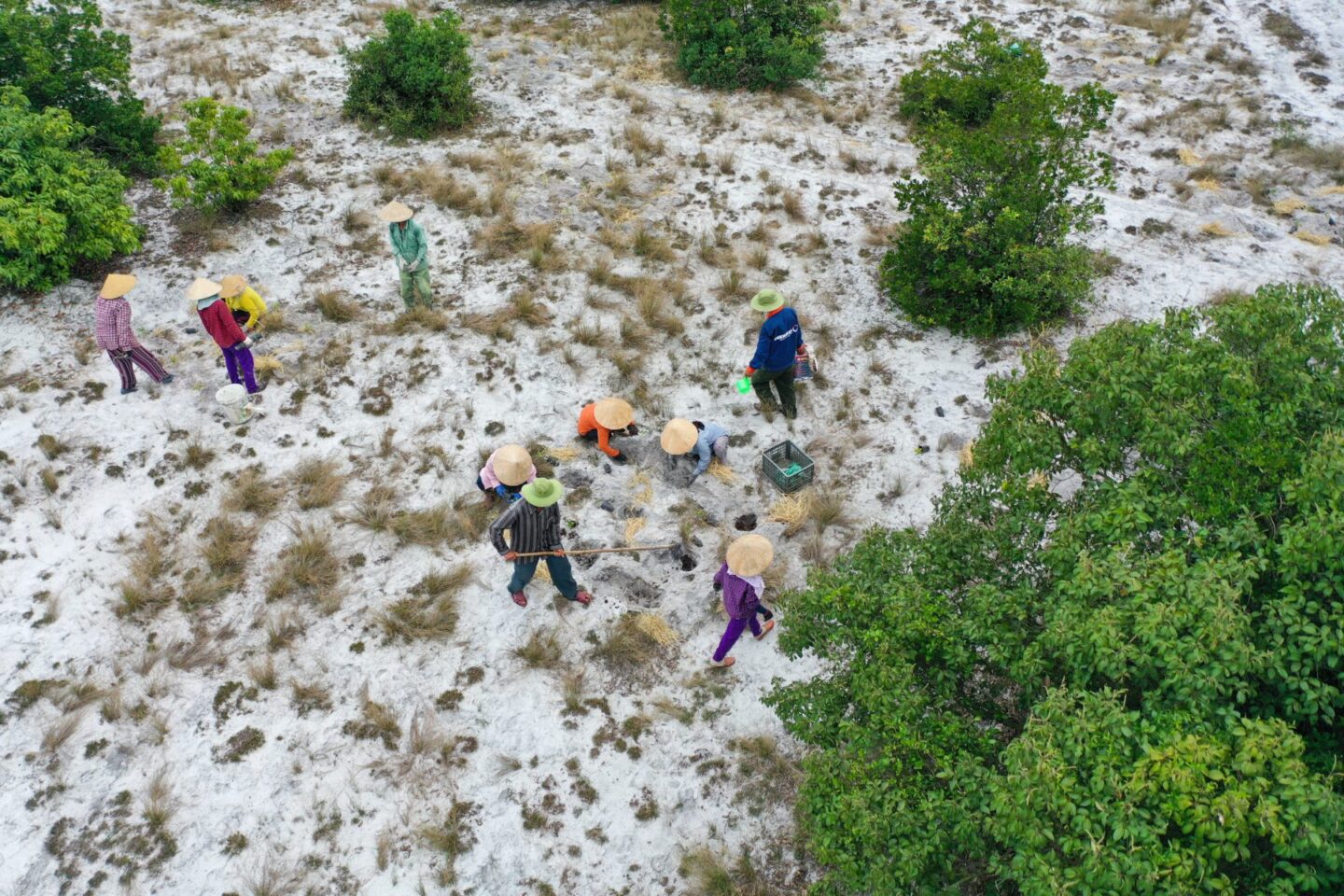
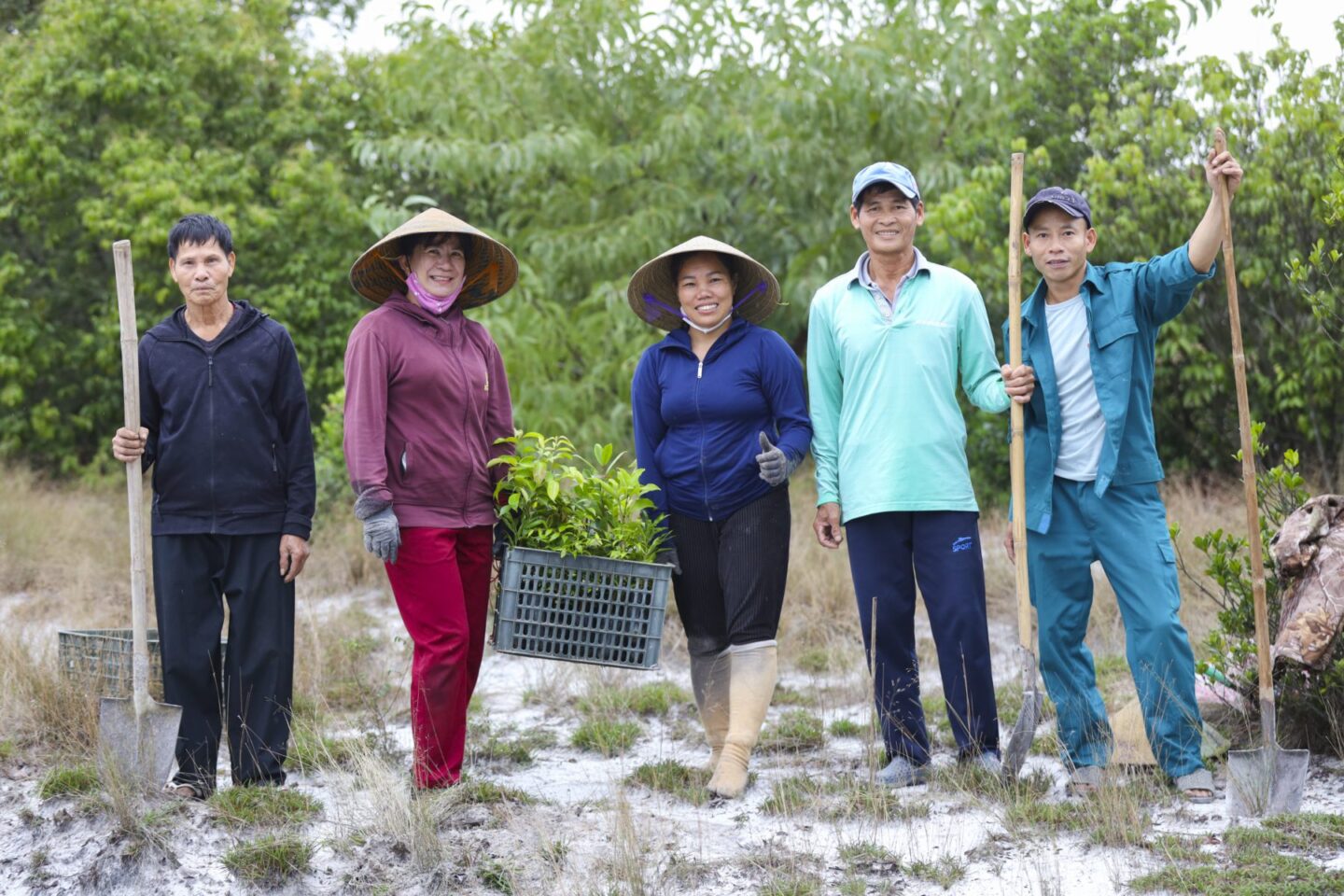
Between 2024 and 2025 we’ve realised the planting of 150,000 trees in our project area in Phong Dinh. All of these were handplanted by the local Vietnam team.
The survival rate of the trees amounts to 70% after six months of growth: exceptional in an area where the temperature in the soil may rise to 50℃ or more.
All species of trees and shrubs are indigenous and therefore naturally occur in Vietnamese dune forests. These include several endangered and rare species, such as Lithocarpus concentricus: a tree scientists considered possibly extinct. Meanwhile it is growing in our project area!
Planting dune forest in our project area is not an easy job. The temperature in the soil may rise to 50℃ or more! For the baby trees, too, these are stiff growing conditions; even more so in combination with dry sandy soil which contains hardly any water and nutrition.
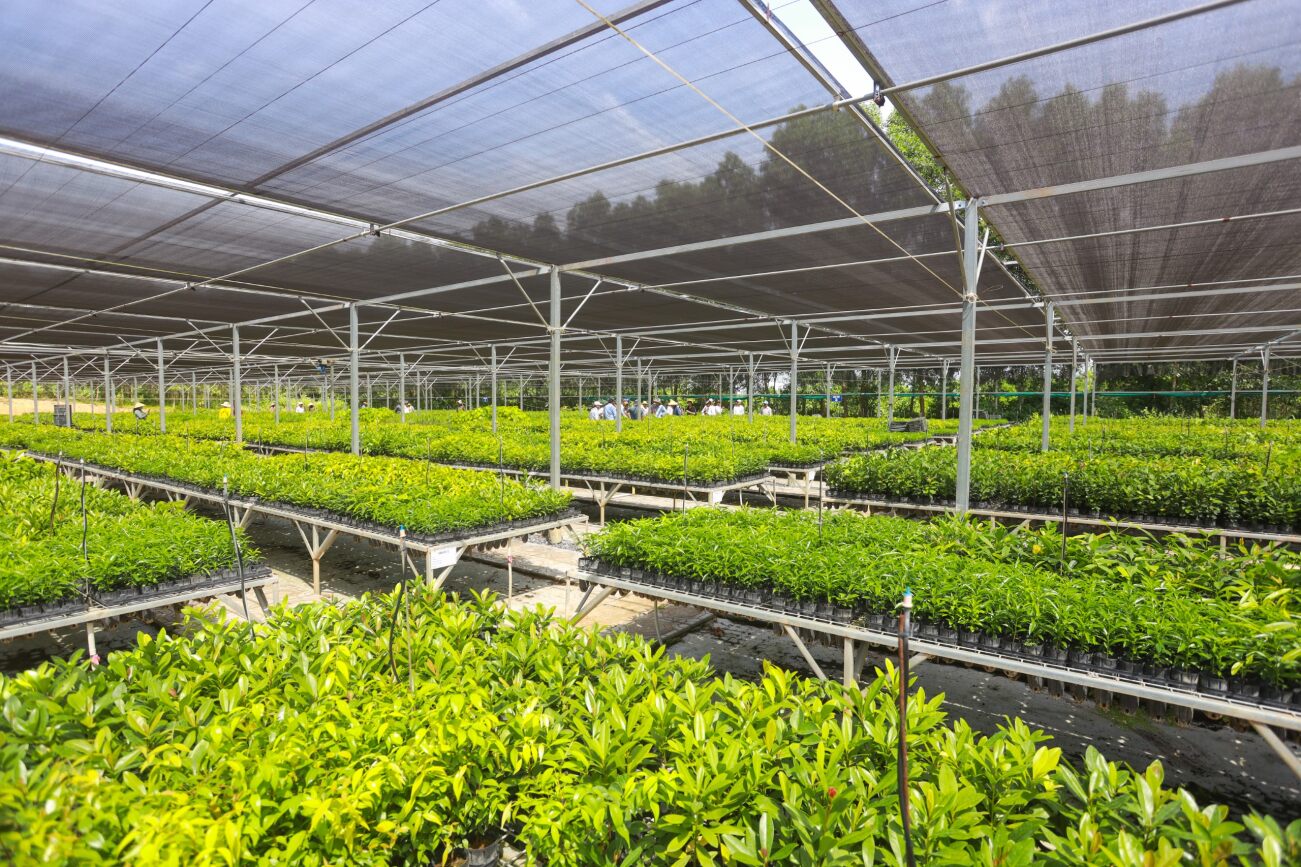
Fortunately, our local partners Unique and HUSTA possess the exact know how to give every tree the best possible start in life. This starts within the nursery, where the trees grow for 9 months before being planted out:
The combination of all these measures is successful: the survival rate of the plantation amounts to roughly 70%.
The trees we plant are all indigenous. So, they occur originally in Vietnamese dune forests. Since more and more dune forest has disappeared over the years, many species have vulnerable status or are even in danger of becoming extinct.
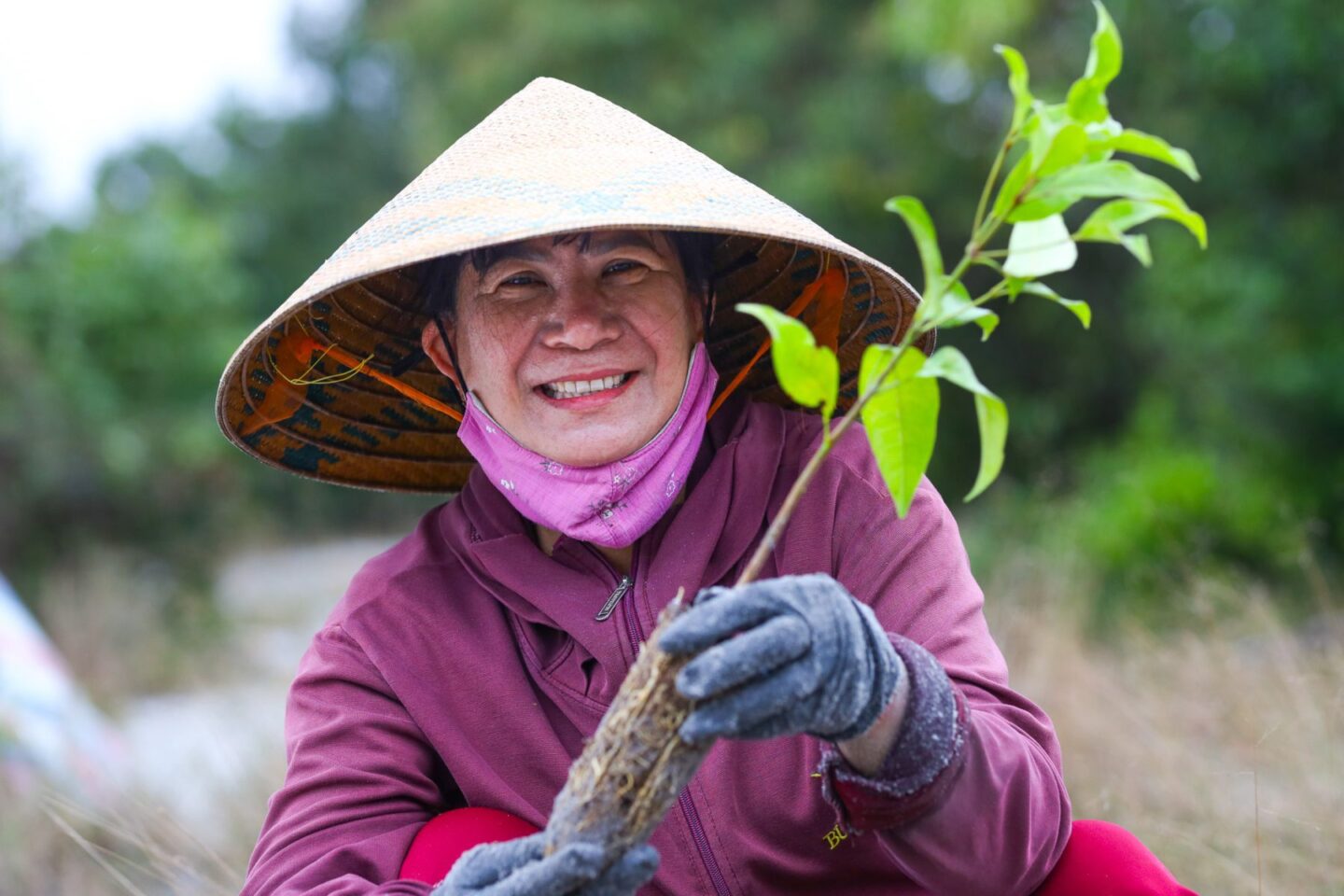
Such as Lithocarpus concentricus, a tree scientists assumed possibly extinct. Yet a number of them appeared to be growing in the area. The local team collected and nursed the seeds of these ‘mother trees’ consequently planting them in the project area. In this way, we’ve prevented this species from disappearing forever!
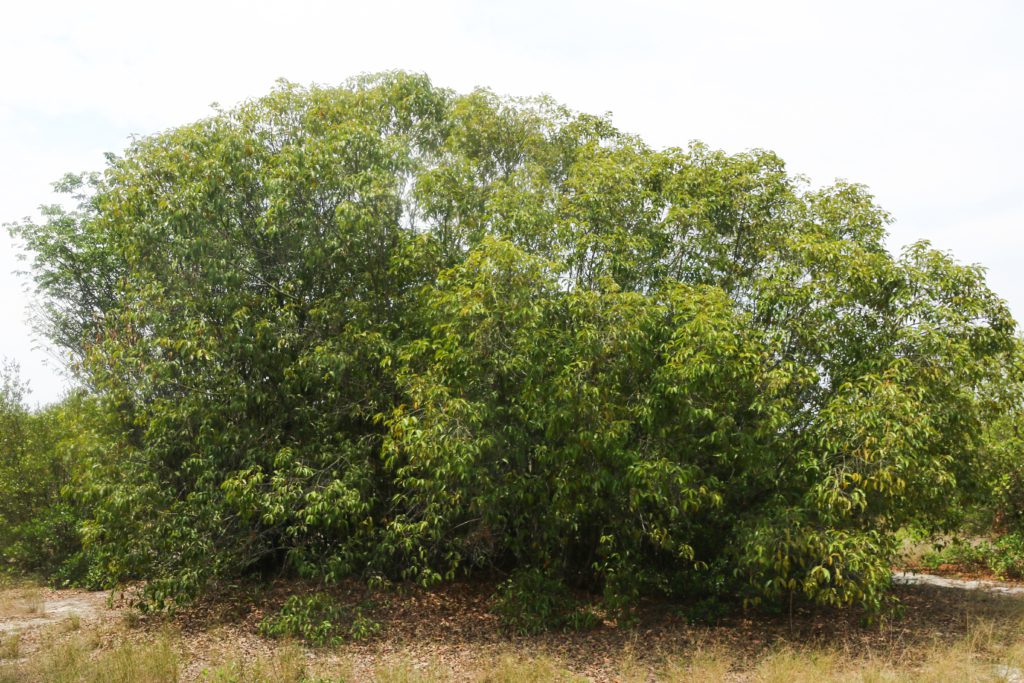
Next to endangered species we have also planted trees from which the population also profits. Think of fruit trees, nut trees or Melaleuca cajuputi. The leaves of this last tree are used for producing essential oils, used as medication by many Vietnamese.
The economic value of the trees reinforces the people’s willingness to maintain and protect the forest, even in the long run. And that is our ultimate motivation!
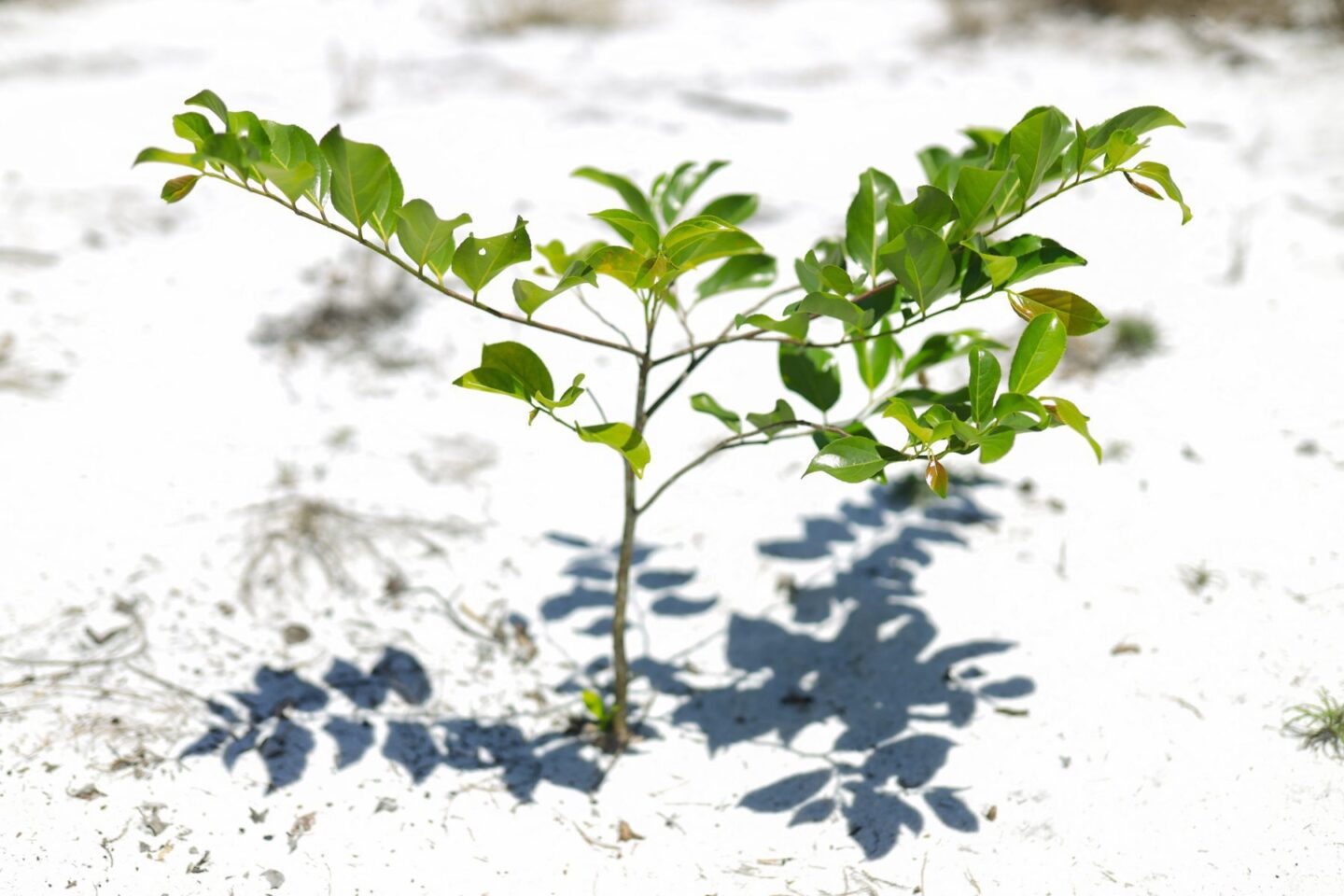
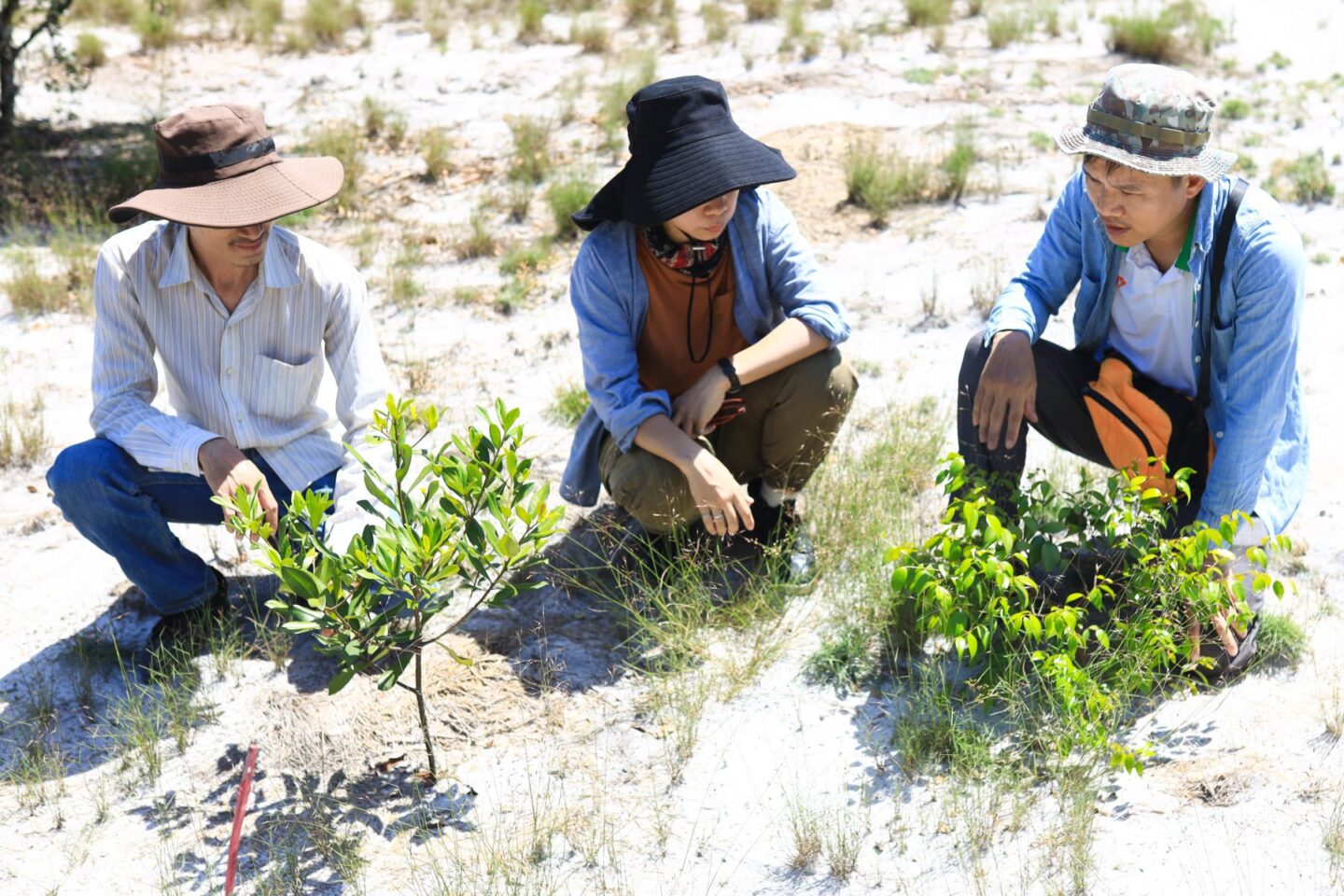
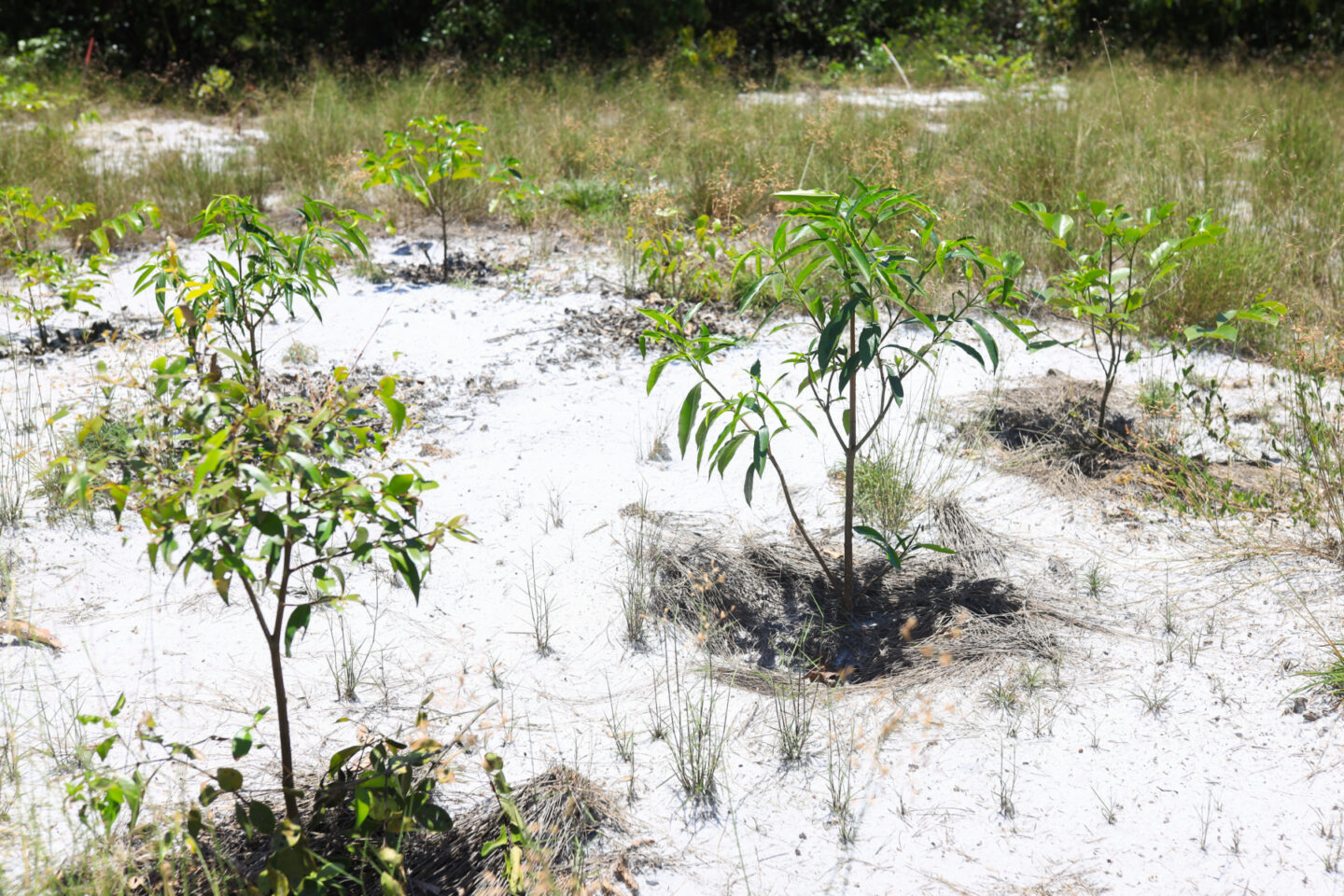
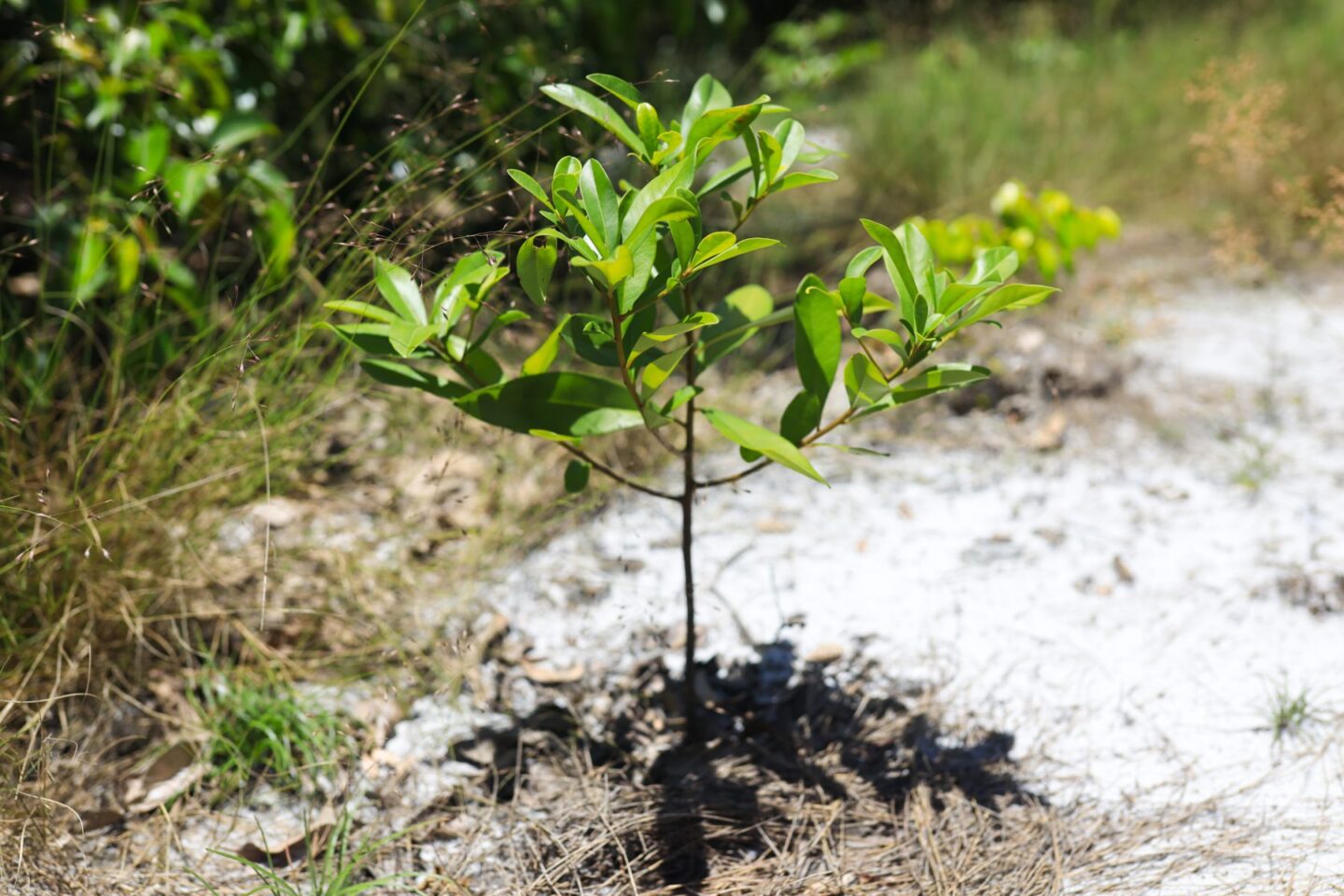
One year after planting, the trees have grown to about 30 centimetres in height. This may not sound impressive, but the species we plant are slow growers. What’s more, a lot of work is done below the surface. The root system has gone to more than one meter deep, trying to find water. The first year is the most crucial for the development of the plantation.
As soon as the baby trees have survived the driest and hottest months they’re able to withstand everything. They’ll grow slowly but steadily to become strong trees and shrubs of 5 to 7 meters high. And the trees that did not survive? They will be planted again.
An impression of the trees being about 30 cm high after their first year. Photo: Unique
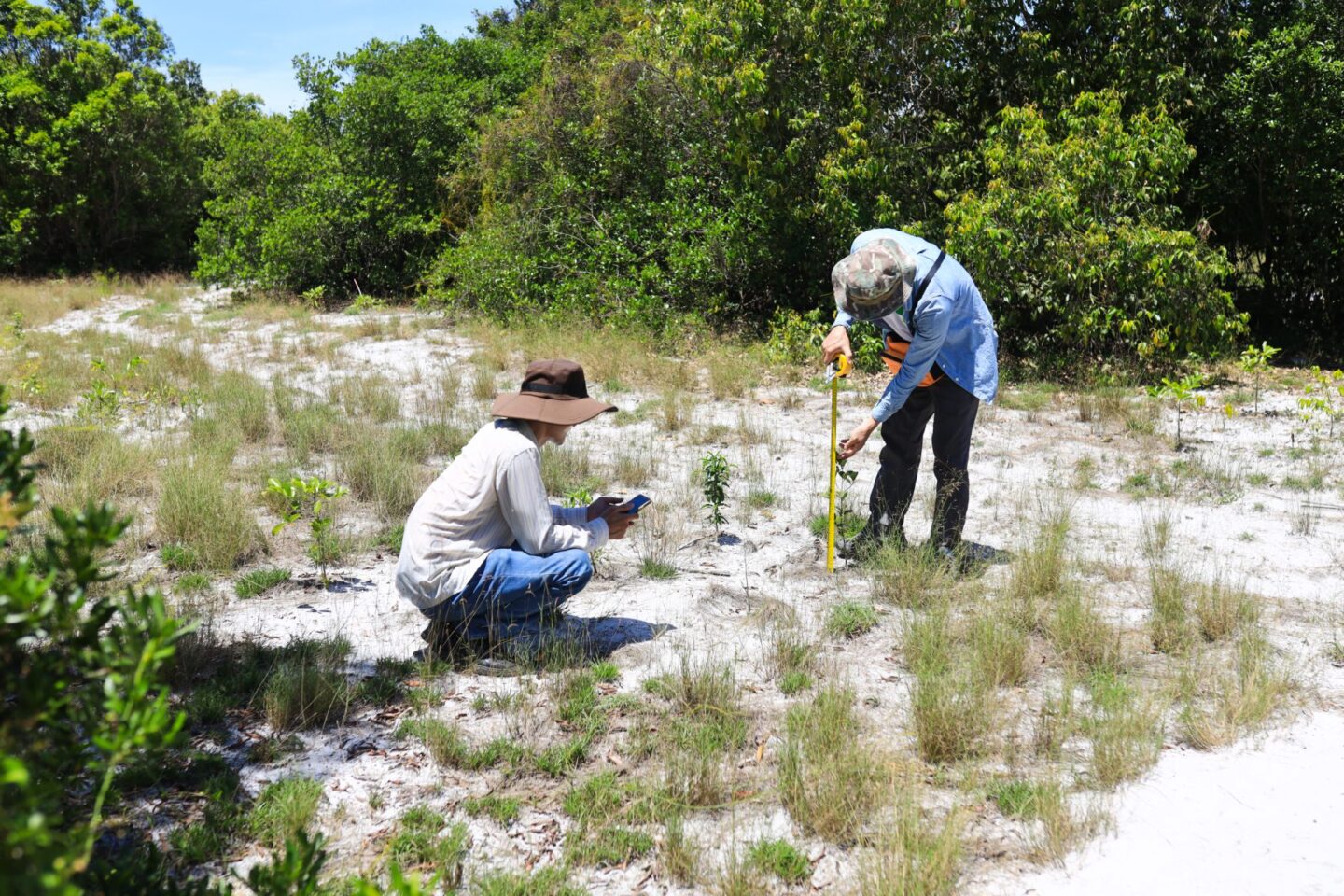
The Vietnam team has registered all trees in a monitoring app, so as to make it possible to to follow their separate growth. Besides, a maintenance plan has been set up to protect the planting location from stray cattle and sand extraction. The existing dune forest is part and parcel of this plan; thus this remaining forest is ‘co-protected’.
And we have not finished yet. In 2026 we are planting 30,000 more trees in a new location to enlarge the dune forest even more. Your support is our opportunity to realize this. Thank you very much!
Young plantation set against a background of dune forest as it should look in the future. Photo: Unique