How the impossible came true: 50 hectares of grassland transformed into forest on Sulawesi
19 January 2026

19 January 2026
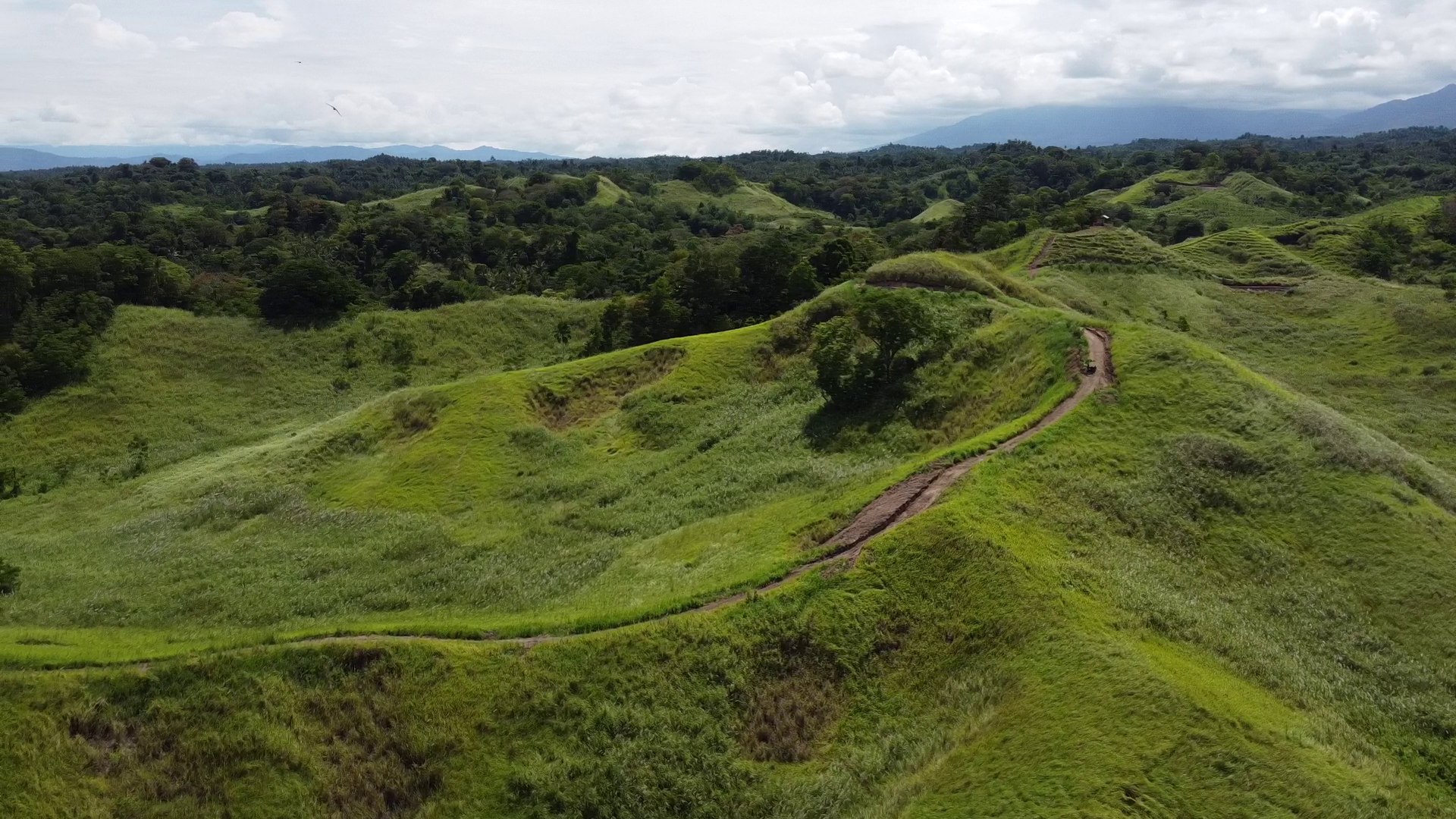
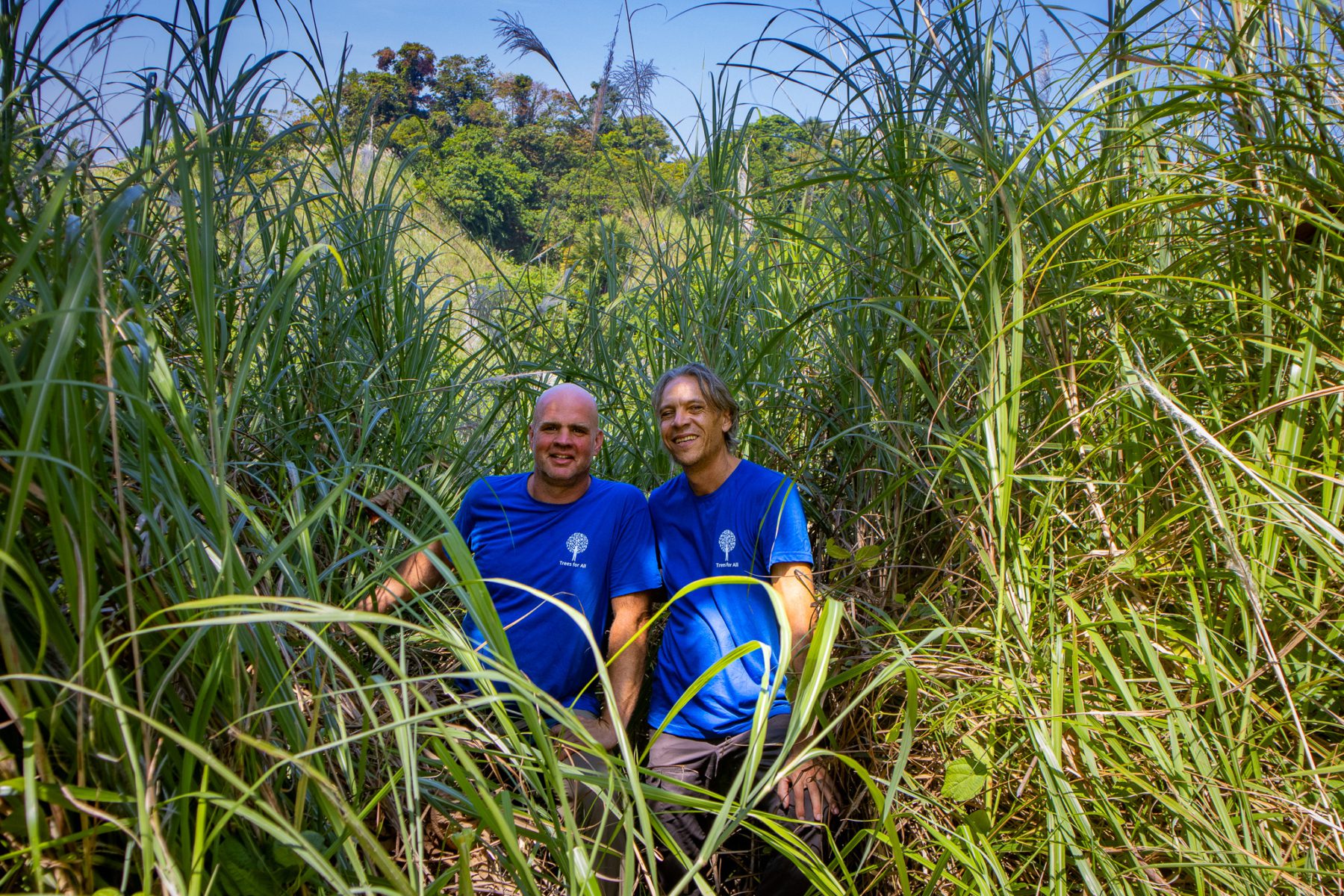
On Sulawesi (Indonesia) there are vast areas of grassland where tropical forests once grew. They are now covered mainly by choking grasses whose prolific growth prevents the formation of new forests. So we’ve been working since 2022 with the Masarang Foundation on transforming these grasslands into forest. ‘An impossible task’, thought the local residents when we started out. But nothing was further from the truth. Thanks to our donors’ support, we’ve managed to transform around 70 football pitches of grassland into forest in the space of 3 years!
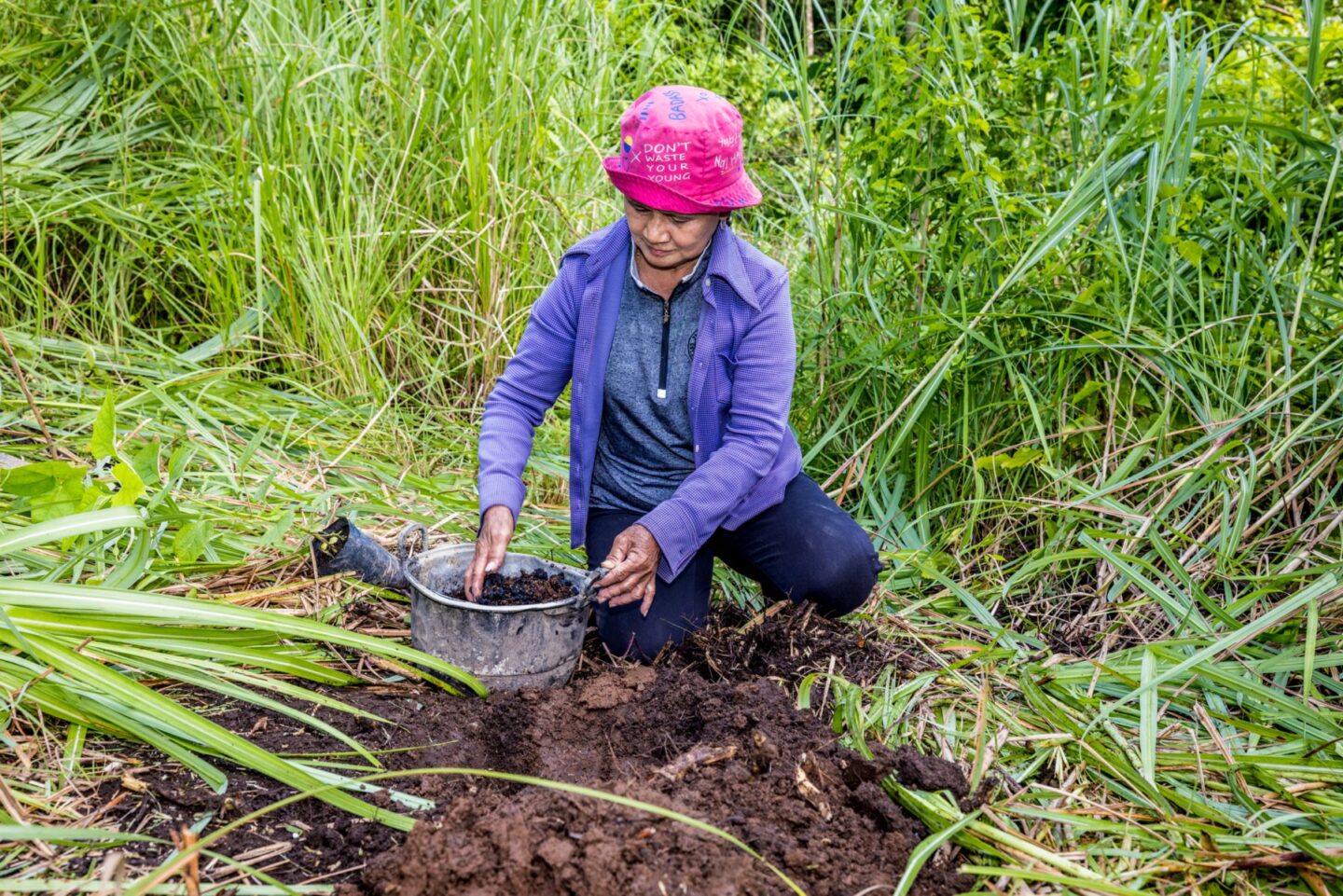
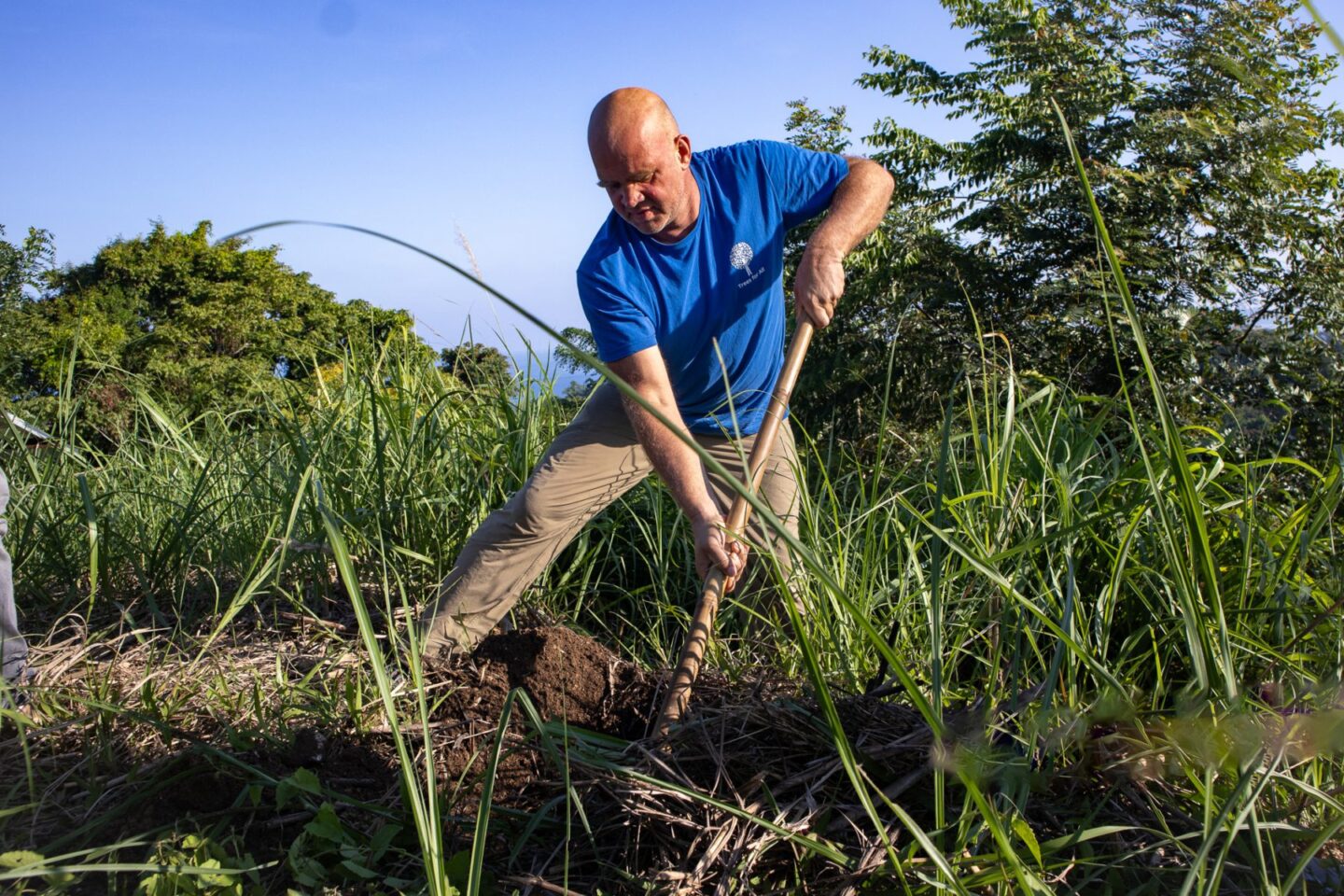
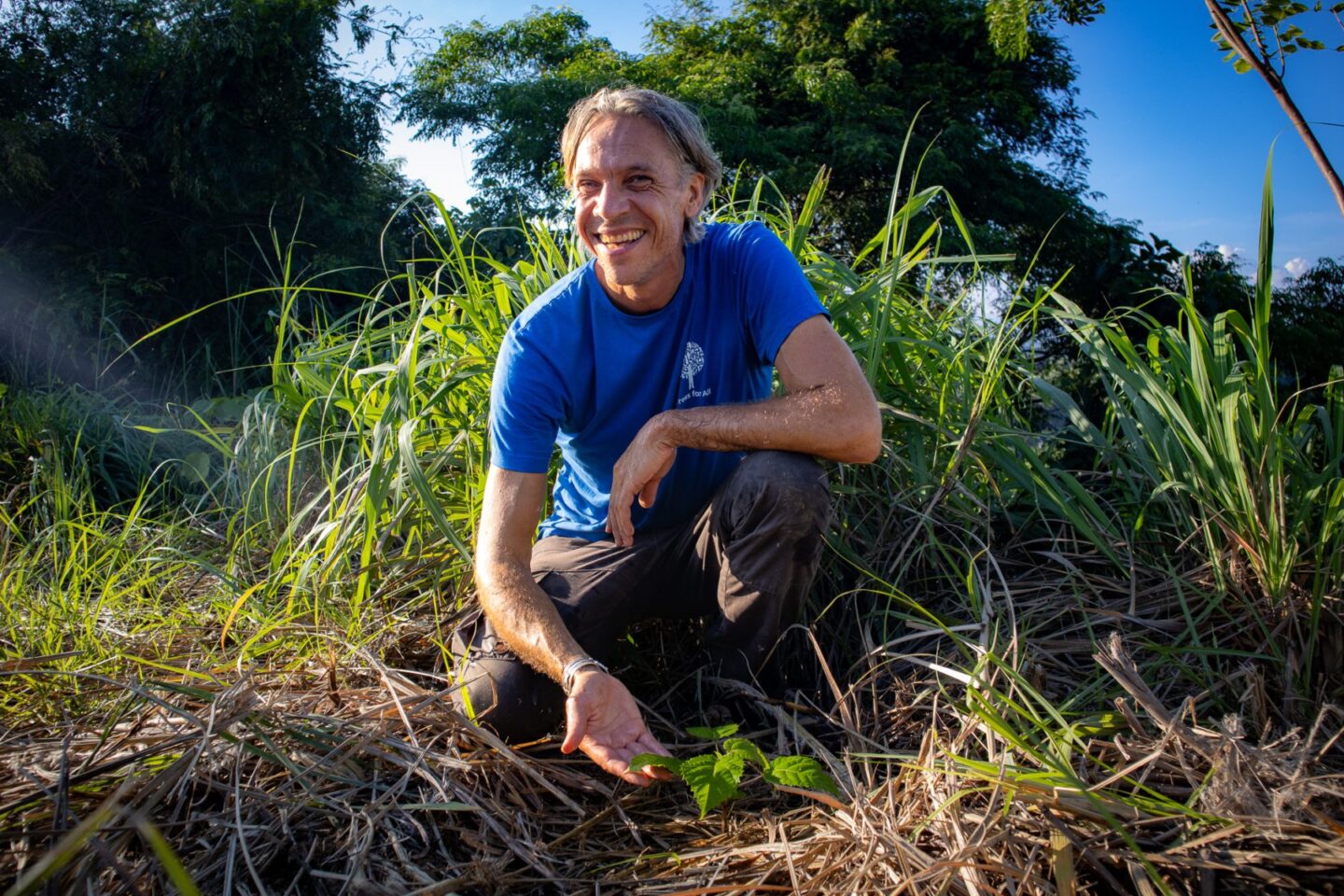
Between 2022 and 2025, we planted 160,000 trees in our project area Temboan, along with the Masarang team and the local population.
50 hectares of grassland have been restored to forest: the equivalent of 70 football pitches!
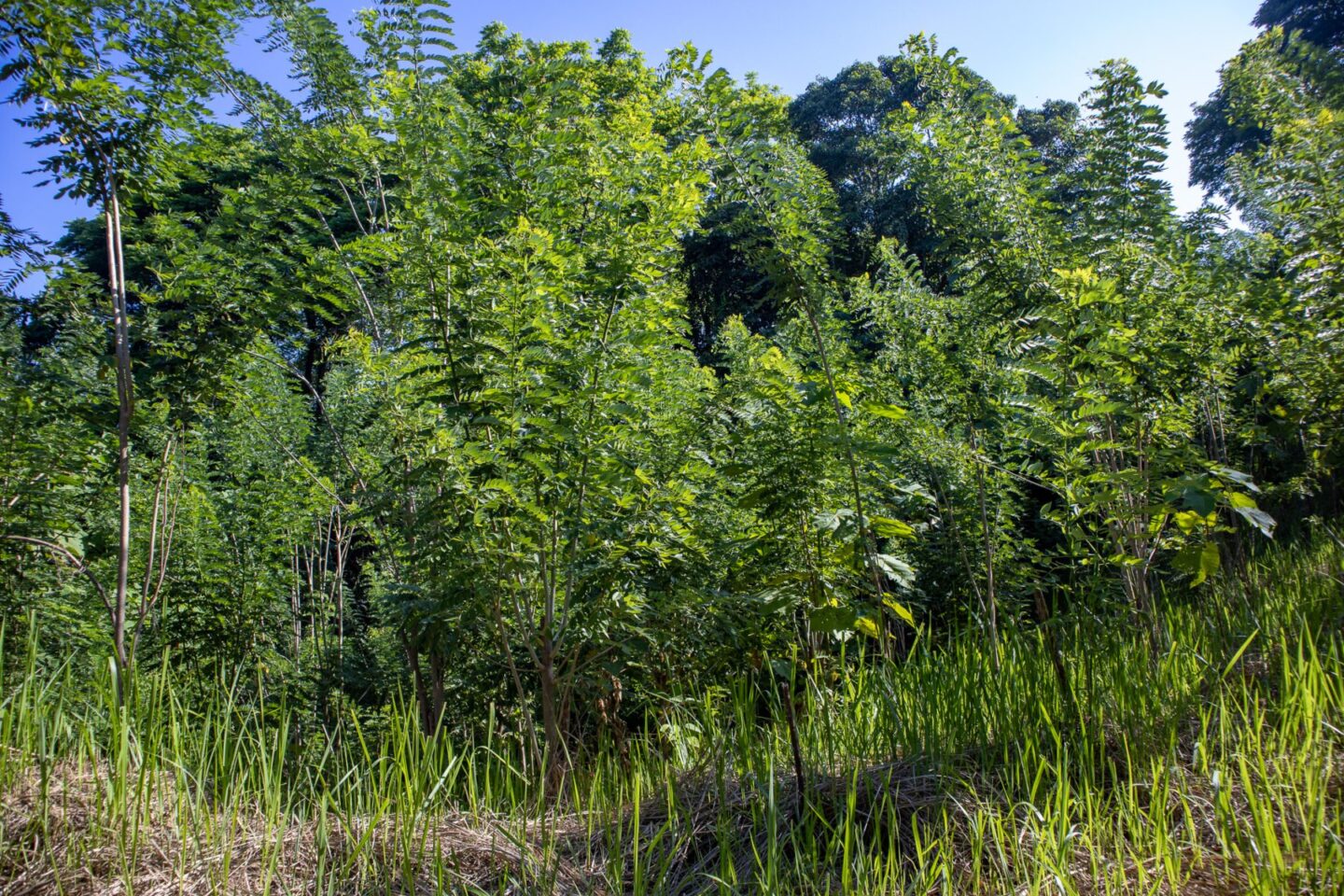
In the forest planted 3 years ago, the trees are already about 10 metres tall.
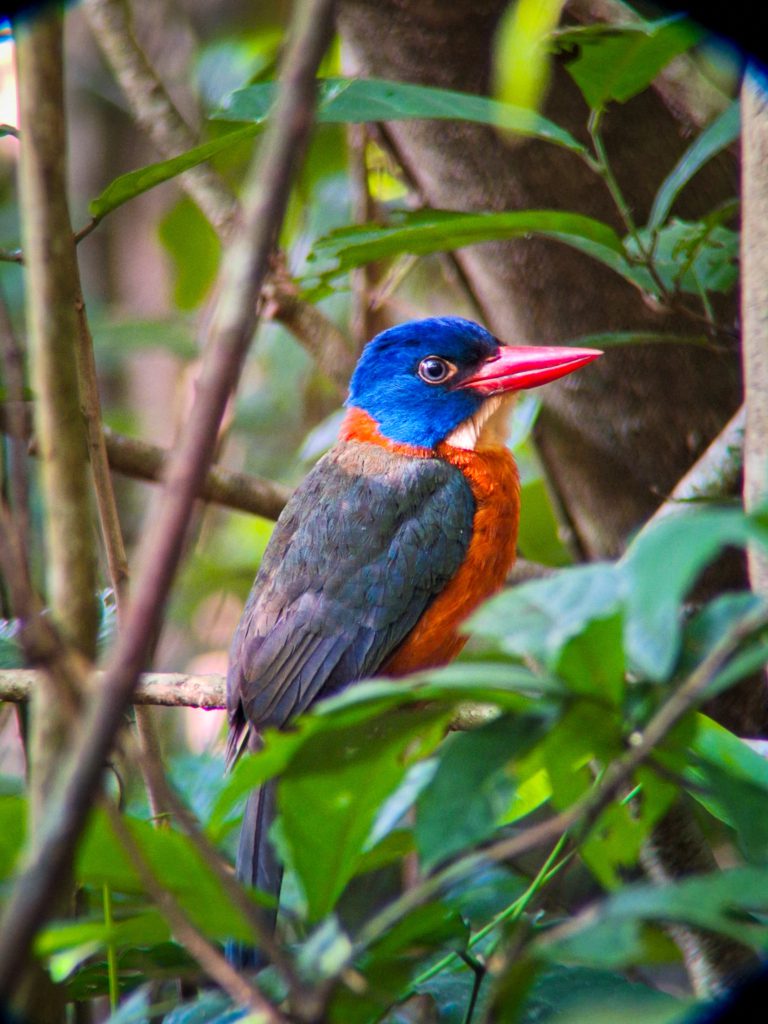
The choking grasses have practically disappeared, the climate is pleasant and there are plenty of birds and butterflies flying around.
The last 10,000 trees were planted in December 2025. In the coming years, they will be supplemented by even more native tree species and fruit trees.
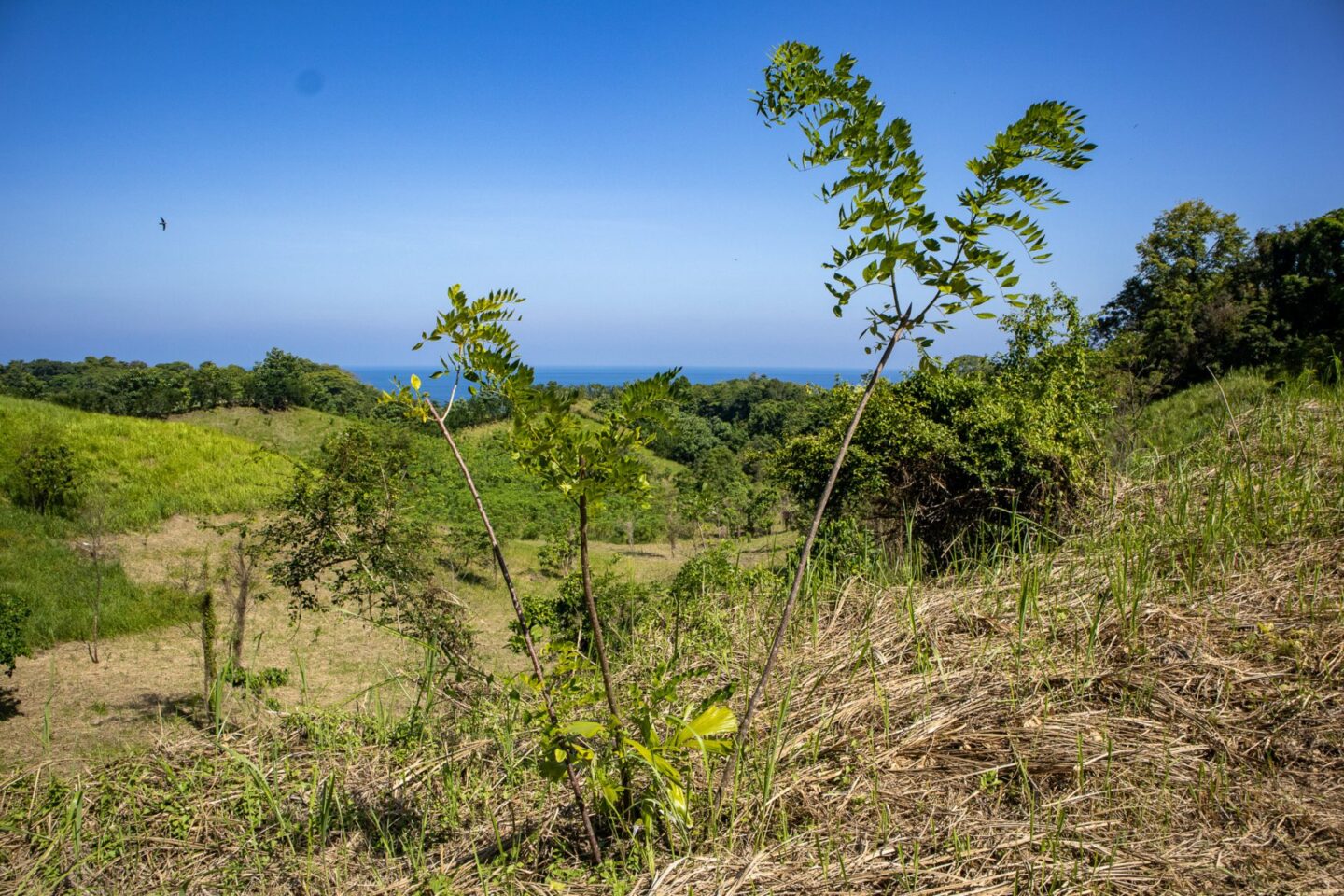
In South-East Asia, there are millions of hectares of land covered in imperata: a tough, invasive type of grass that can grow to a height of around three metres. Although the surroundings look green, the grass has little value for biodiversity. Furthermore, it is extremely susceptible to fire, making natural forest regeneration difficult. In short, there is enormous potential here for helping to restore the original nature.
On Sulawesi, too, the landscape is dominated by this type of grassland. Willie Smits, the founder of the Masarang Foundation, devised a successful approach to tackling the grass and getting the reforestation process underway. With the support of our donors, we were able to contribute to this process and to facilitate the transformation of 50 hectares of grassland into forest in the project area of Temboan!
On our last field visit, we went to the forest that was planted about 3 years ago. Some of the trees growing there have now reached a height of around 10 metres! The choking grasses have practically disappeared, the climate is cool and pleasant and there are plenty of birds and butterflies flying around.
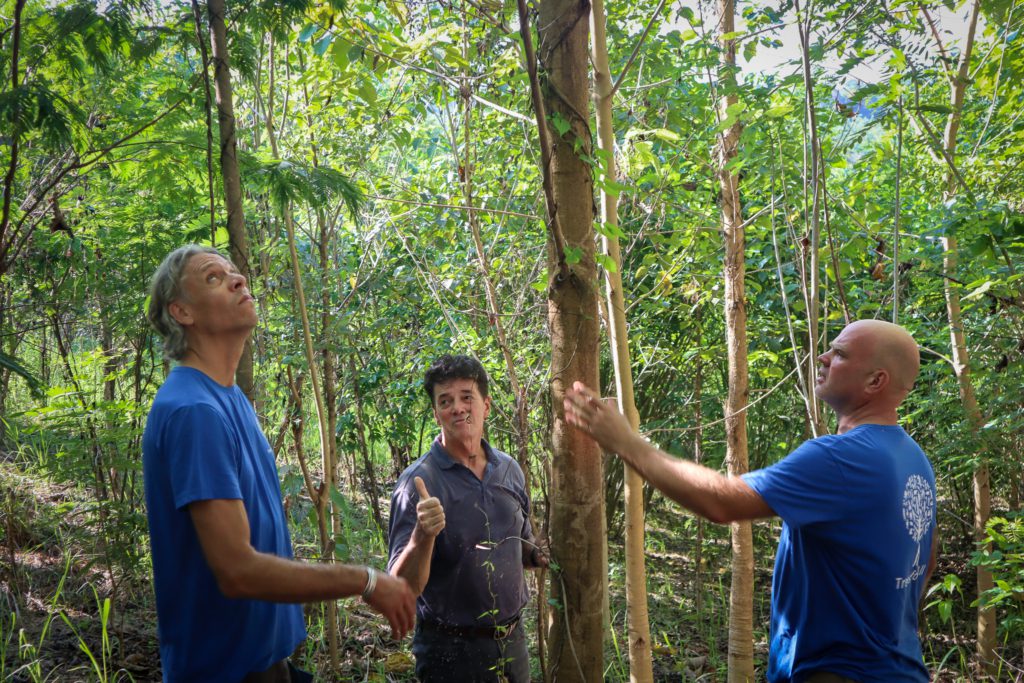
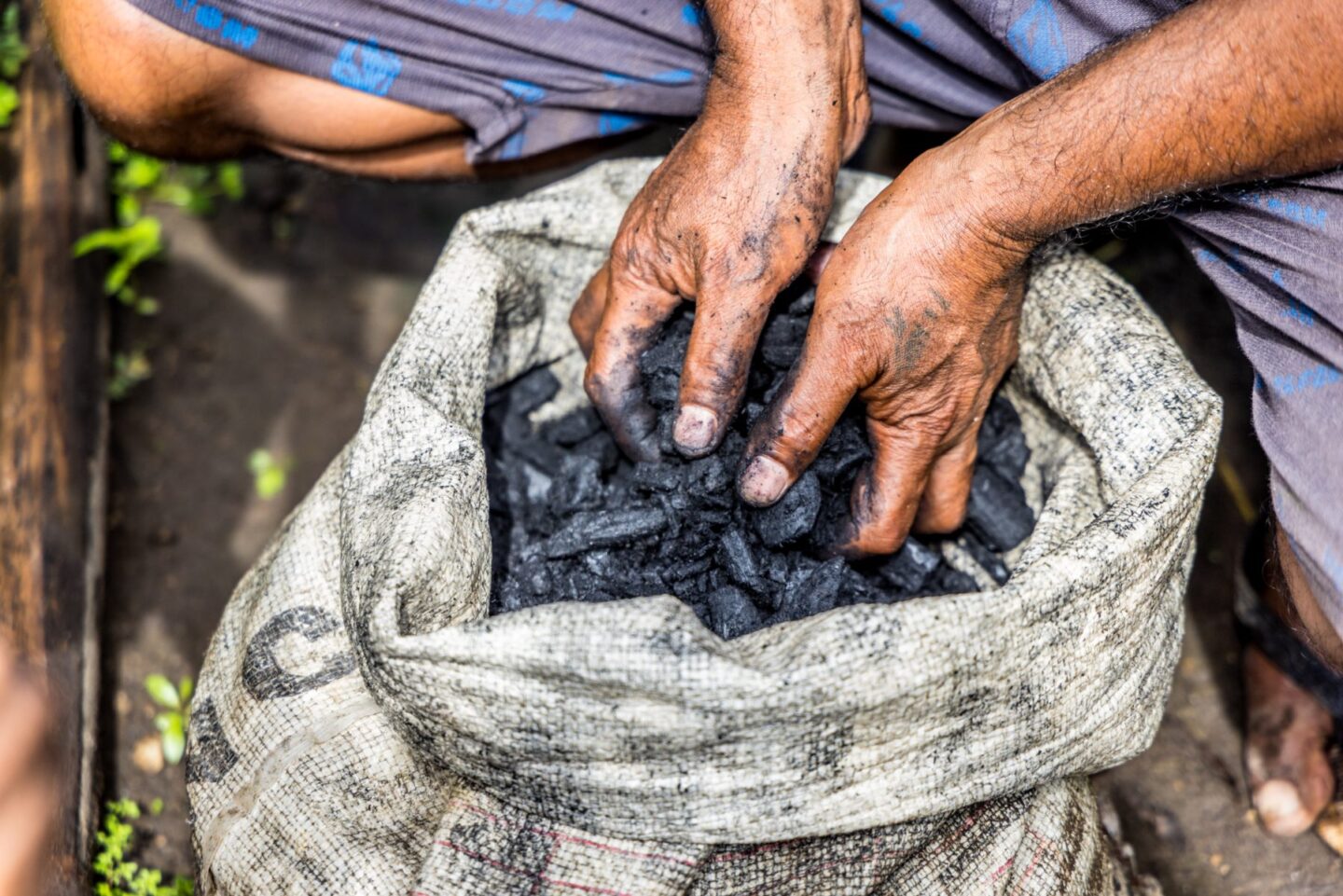
According to Willie Smits, who was our guide for a few days, biochar is the secret behind this exceptionally fast growth. When added to each planting hole, this charcoal improves the moisture-retaining capacity of the saplings by five to seven times. Biochar also provides extra nutrients, triggering a considerable growth spurt in the trees.
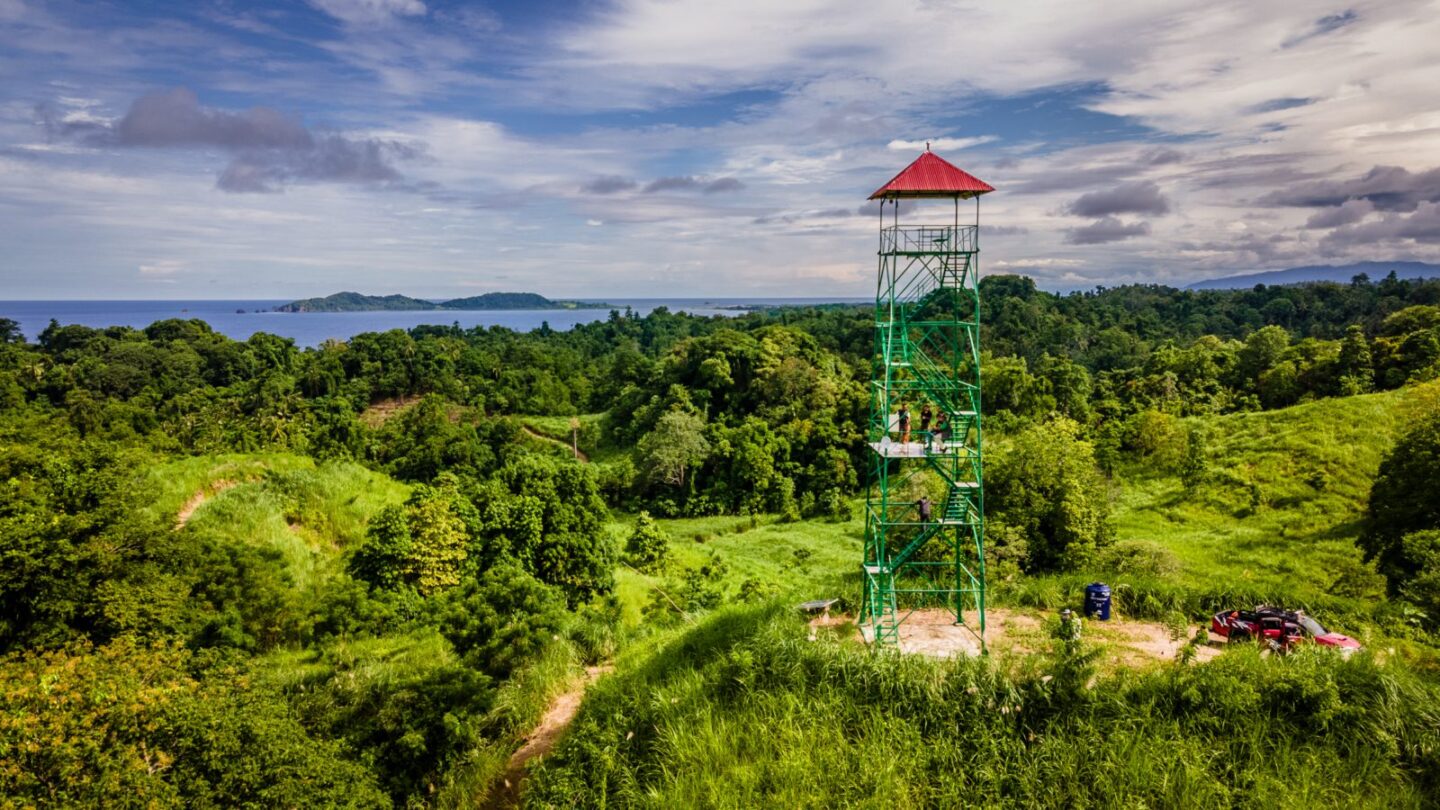
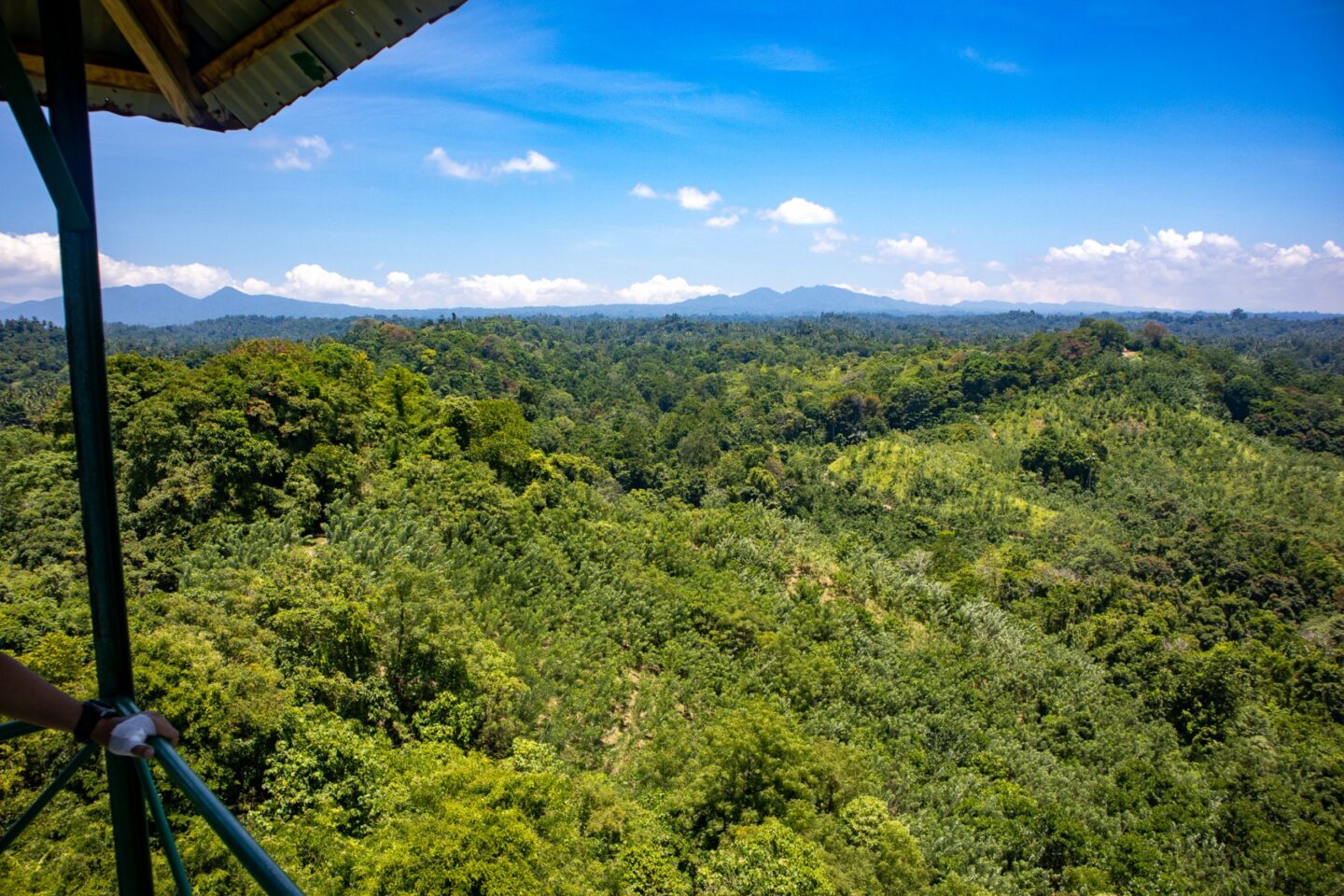
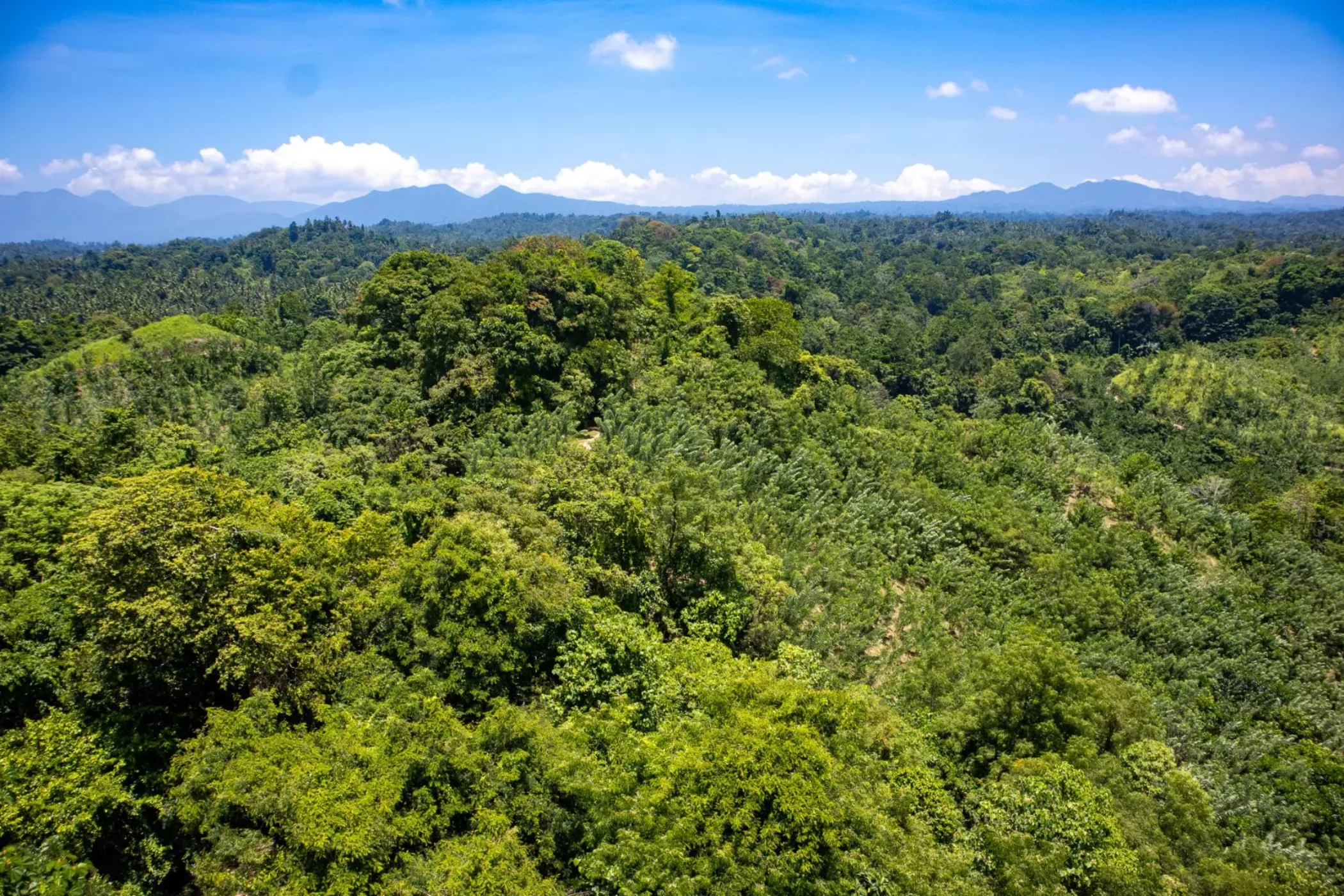
Our colleagues also climbed the observation tower built by the Masarang Foundation to monitor the project area. The view from the top is breathtaking. The grasslands that once reached the hilltops are now covered with forest and are linked to the remaining rainforest.
In the distance lie the mangrove forests and beyond them is the beach where sea turtles breed, which leads to the coral reefs. It is clear at a glance what this project is about: the restoration of a landscape where everything is linked together.
In the coming years, the fast-growing species will increasingly make way for native tree species and fruit trees. To this end, the Masarang team is collecting seeds from the surrounding rainforest. These species will further improve the biodiversity, the soil and the water balance.
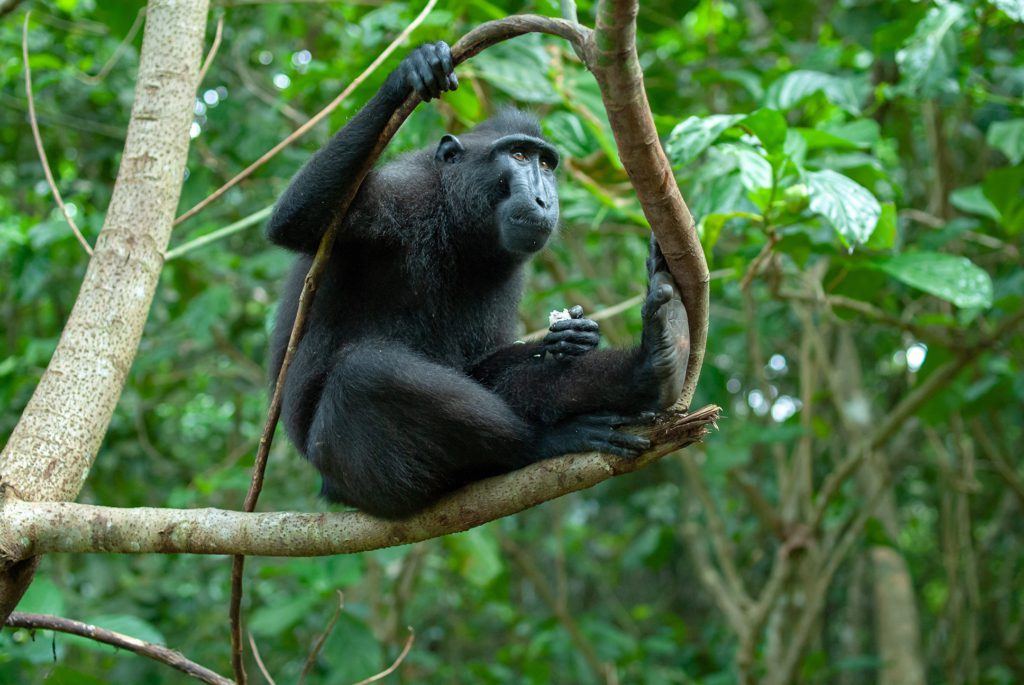
The native fruit trees, in particular, attract all sorts of mammals, birds and bats. Furthermore, Temboan will soon be home once again to the critically endangered crested macaque, which is now found in only two places in North Sulawesi.
The local population, too, will directly profit from the forest, thanks to the sugar palms being planted, for example. The sap of this tree can be harvested and processed into sugar and bio-ethanol. It will form an important and sustainable source of income for the local community in the future.
The Temboan project area has now been fully planted, but we are not finished yet. On the contrary, the results here show what is possible on a much bigger scale!
So in the coming years, we’ll be working at new locations in South-East Asia to transform invasive grasslands there into forest as well. Step by step, we’re working towards a more stable climate, more biodiversity and forests that directly benefit people in the region.
Thanks to your support, we can restore and protect forests in many more places around the world. Will you help us plant and reforest the world?
Become a donor