New life in an extremely dry region: 215,000 trees planted in Ghana
11 May 2026


11 May 2026
Since 2021 Trees for All has been dedicated to planting trees in Northern Ghana. A challenging mission in a region where water is scarce and in which many families live in poverty. Working together with local communities and our partners Tree Aid Ghana, Tree Aid UK en Blue Deal, we have taken hopeful steps forward in the past few years and planted more than 200,000 trees. Time for an update!
In Ghana we support the Bongo reforestation project of our partner Tree Aid. Together we’re restoring the river forests around the Vea dam. We also assist farming families planting trees on their land, providing shade, food and income.
It is both a hopeful and highly challenging project. The Bongo district, where we plant trees, is one of the driest areas in Northern Ghana. Much of the original forest has disappeared, leaving the land increasingly depleted. Growing crops is a difficult task, and many harvests are lost because of heat and drought.
For young trees these are tough growing conditions. Besides, there are many goats roaming about, which see the young saplings as a tasty snack. And to conclude, complex rules regarding land use make the planting process even more complicated.
So, we knew from the start of this project that forest restoration would’nt happen by itself. But this makes the impact of our combined effort extra strong. And we do, slowly, step by step and tree after tree.
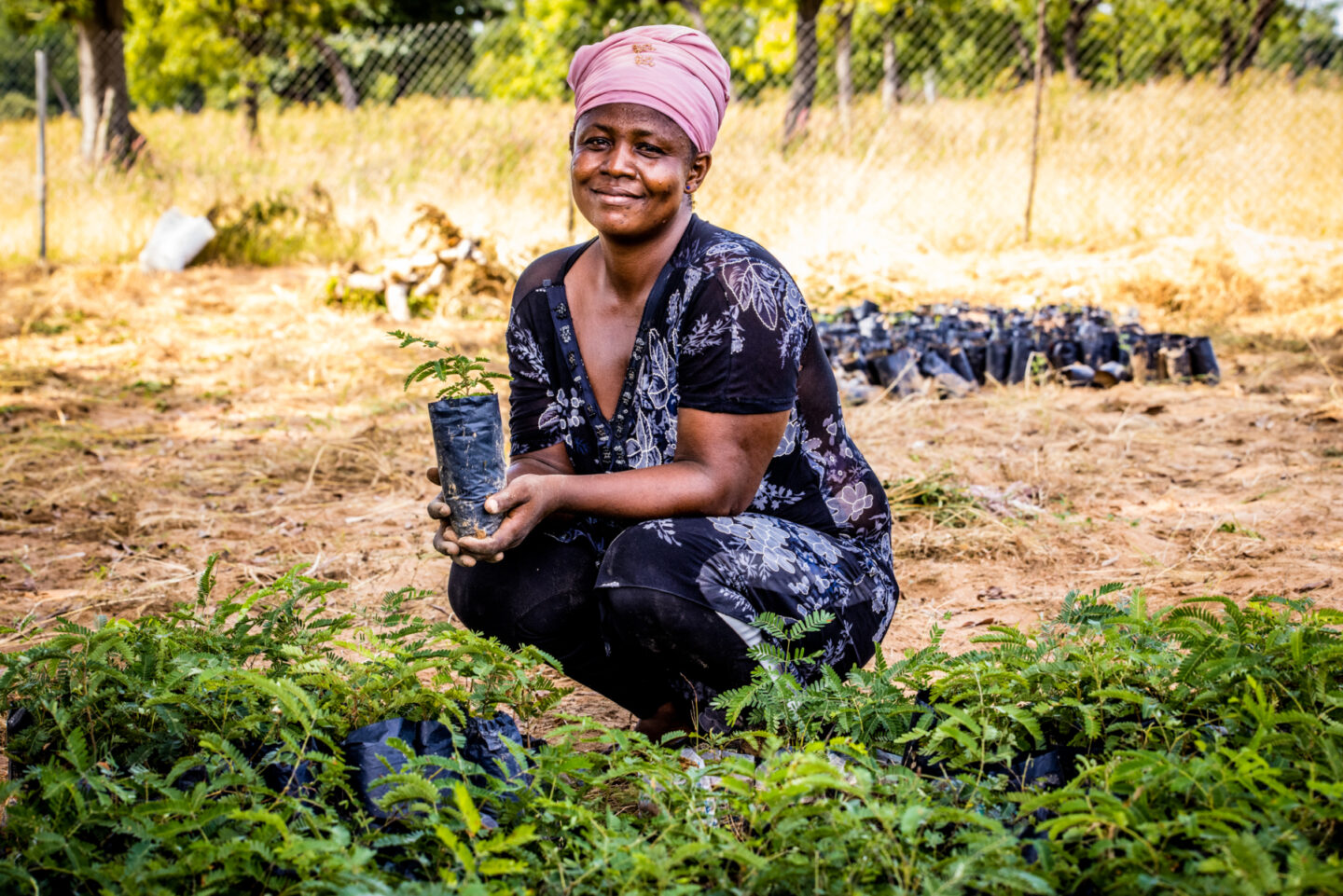
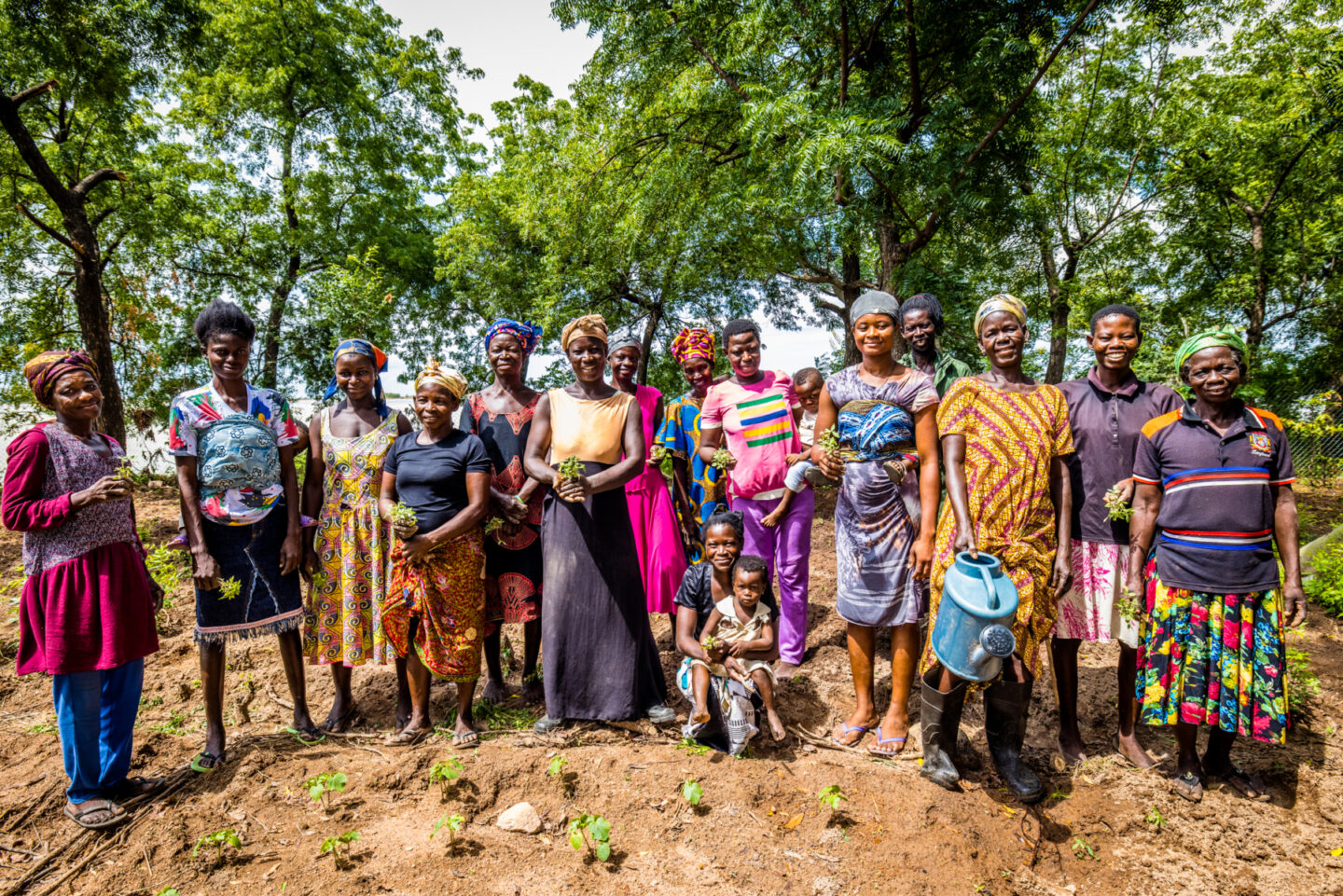
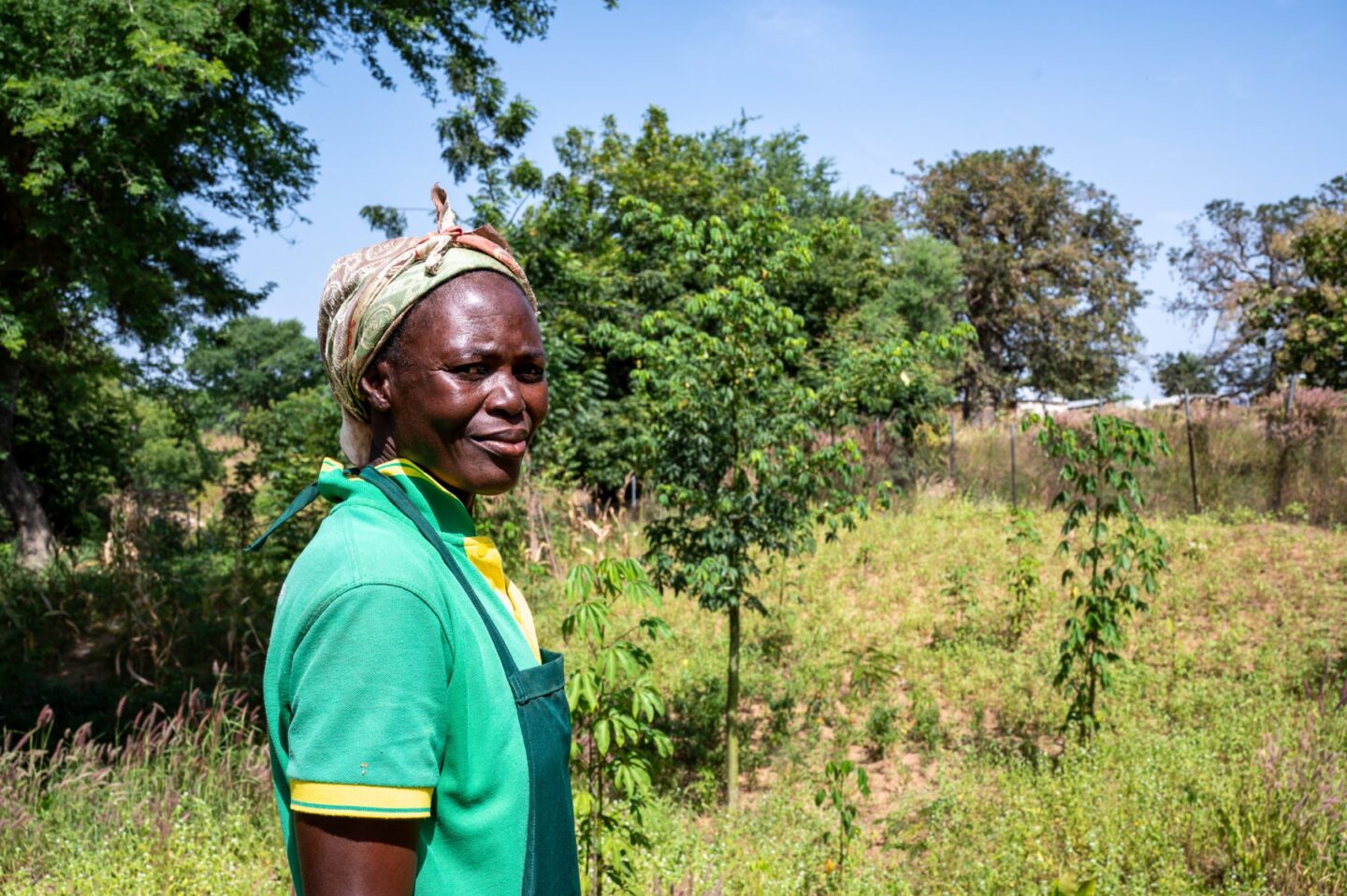
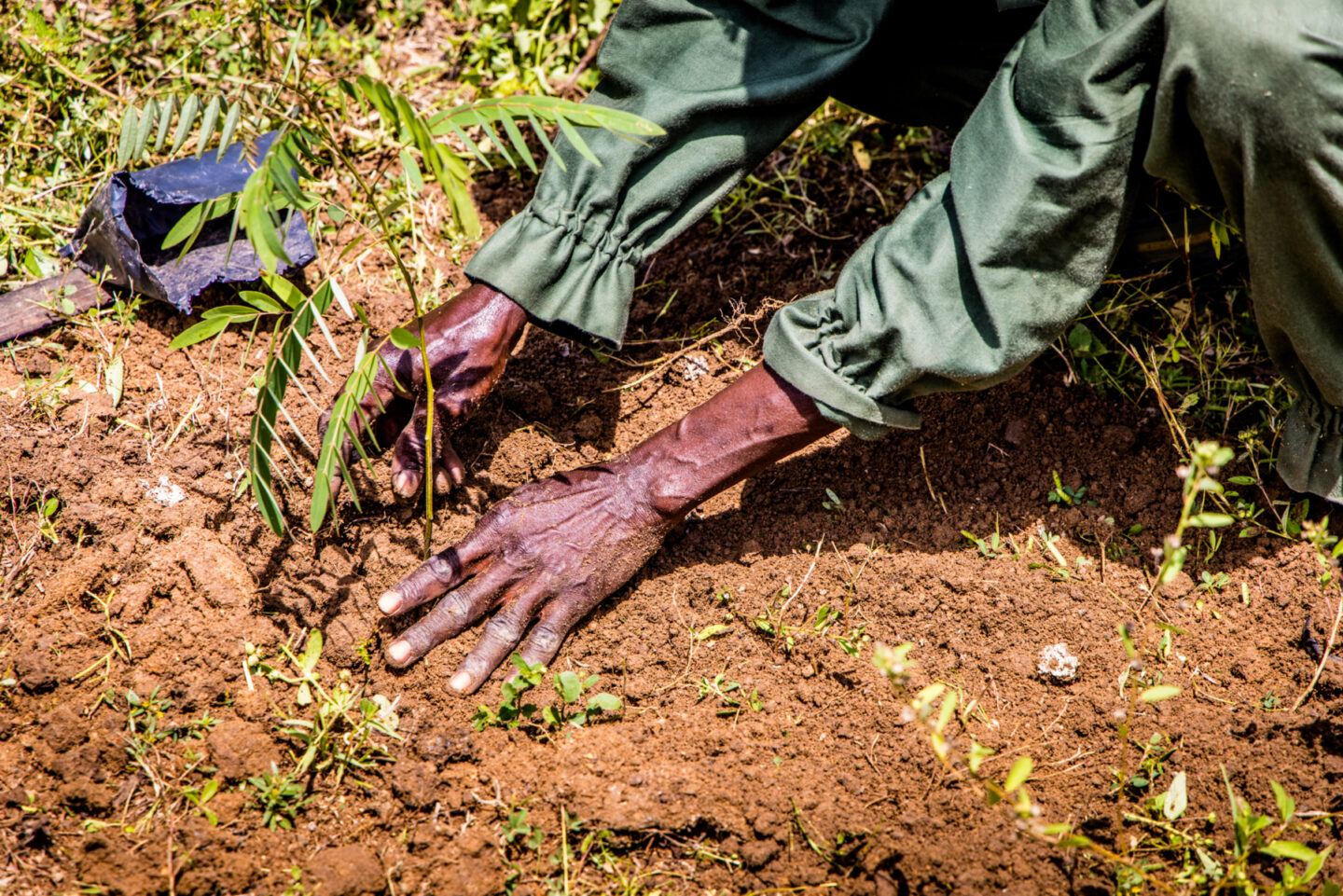
Together with twenty local communities we planted 215,000 trees between 2021 and 2024. In each community, 20 lead farmers have been appointed for this purpose: pioneers who grow trees, supervise and coordinate maintenance.
Dozens of farming families have switched to agroforestry. They have planted trees around their houses with benefits for the local environment and the people themselves. Some trees provide food, such as fruit and nuts, while other species improve soil quality and provide shade.
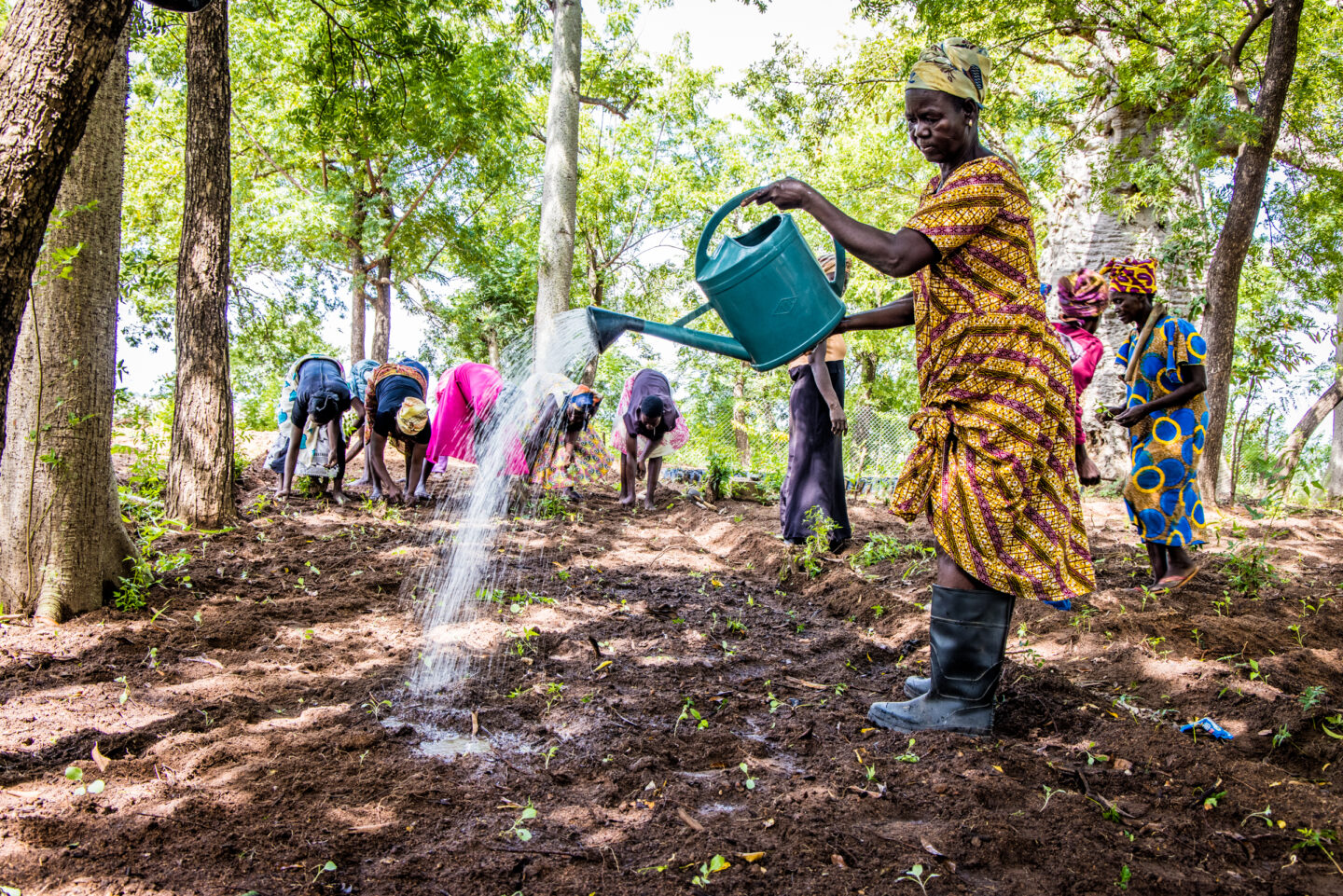
We have focused a lot of attention on the necessary conditions to ensure the project’s success. This includes appointing field workers and purchasing water tanks and transportation (tricycles). These make it easier for communities to transport water in the area in order to irrigate trees, which enhances their chance of survival.
Besides, we have invested in protective measures to keep wandering goats from damaging the trees. In some places, low mud or stone walls have been put up around individual trees. In other places, planted sites are protected by means of higher cluster fences. Especially this second approach has proved successful in giving trees a good start.
Planting trees in locations such as these demands patience, experience and continuous adjustment. Not all young trees survived the first attempt. Therefore, a number were replanted. In the past four years we have learned about what does and does not work in this specific region with regard to giving trees a good start. This knowledge is applied to improving our approach and continuing what works in the next few years.
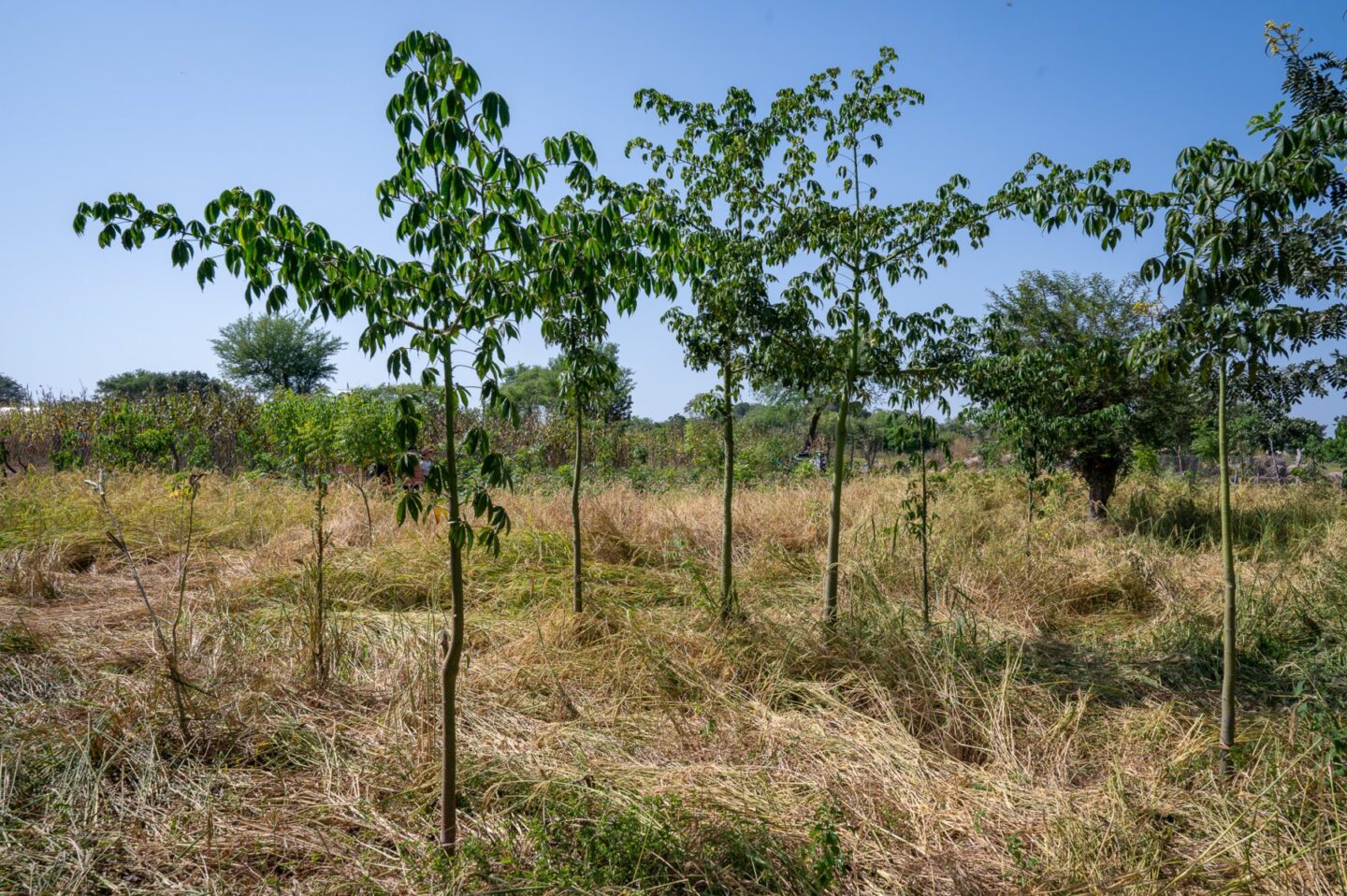
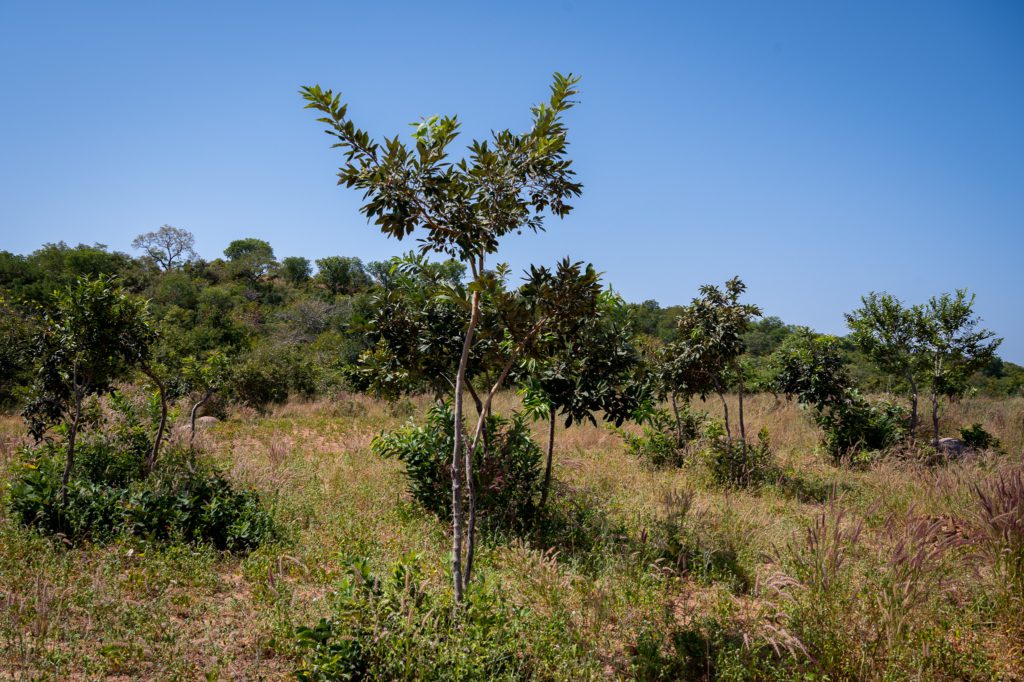
Planting trees in cluster fences proves an important key to success. The trees inside these fences grow fast. After just a few years, some of them are already several meters high. At one site, the planting even created a permanent water source, while the stream outside the fencing had dried up completely.
This clearly shows the potential of planting trees in this area. In the near future, we will focus on maintaining, protecting and watering the trees within the cluster fences. Once the trees are high enough, we will move the fences in order to reforest other plots.
The planting in cluster fences
Agroforestry near housing also works well. Families protect the trees and take care of them intensively, enhancing their chance of survival. Some cashew trees bear their first nuts before their third year is out!
The benefits of trees – such as food production, shade and extra income – motivate people even more to plant and protect their trees. In the coming years we will therefore be expanding the project by planting 35,000 more trees for agroforestry, such as mango and cashew.
Finally, we have successfully implemented Farmer Managed Natural Regeneration (FMNR). This is a method in which the lead farmers prune trees which have been kept short for years. As the tree’s root system has already developed, the trees shoot up rapidly after pruning, meaning they are easily 4 to 5 metres tall just two years later.
And another advantage? The pruned branches are used as firewood, making it even more worthwhile for people to carry out this activity. We have tested this approach in a couple of communities, and we are going to apply it in all of them.
All these results could be realized also thanks to the support from our contributors, the commitment of the local population and our cooperation with partners Tree Aid Ghana, Tree Aid UK and Blue Deal. Thus, Tree Aid invested in good relationships with important governmental organizations and traditional authorities. This is crucial when carrying out a project such as this.
The circumstances in Northern Ghana remain a challenge. By focusing on effective measures and cooperation, we come to see that regeneration is possible. Every tree counts, certainly in Ghana. Thank you for your support!