22,000 trees planted in Portugal: reforestation in a challenging landscape
15 January 2026

15 January 2026
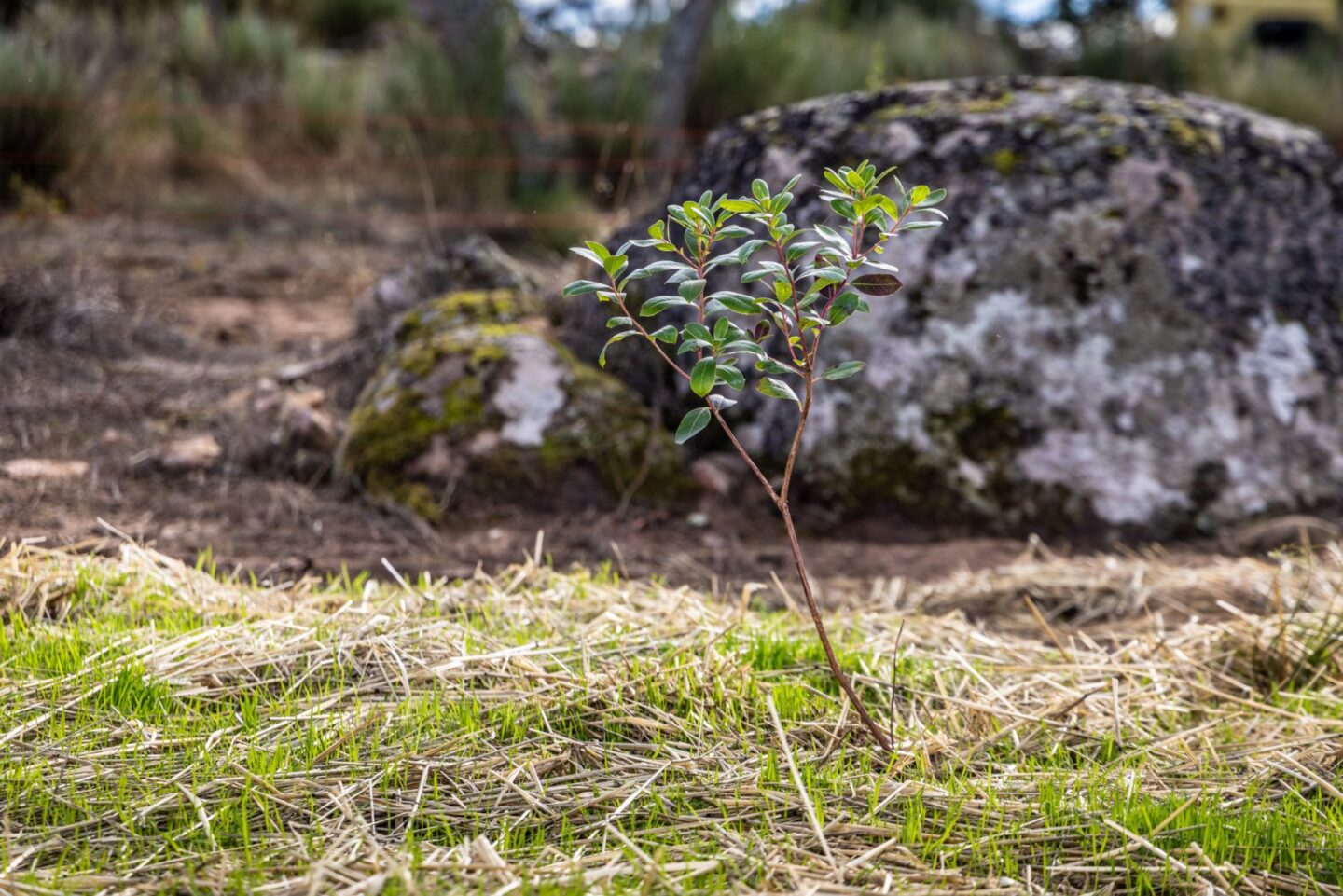
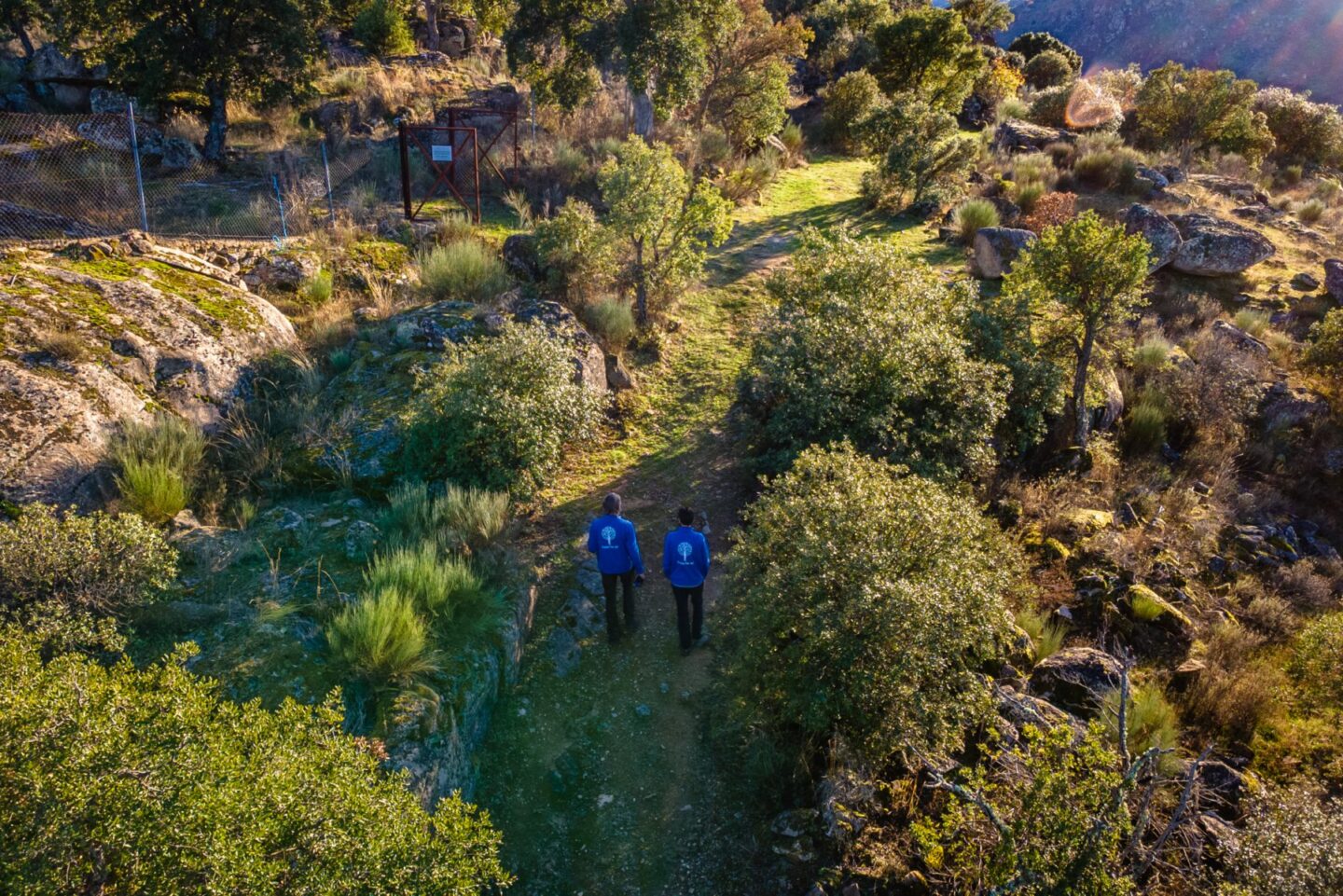
How do you restore a forest landscape in times of persistent hot summers and wet winters? We’re taking up that challenge in the Faia Brava reserve in Portugal, where we’ve been working on restoring forest landscape since 2022. Along with our partner of the same name, Faia Brava, and with the support of our donors, we’ve planted 22,000 trees since the start: an important step in a region where nature restoration is not a matter of course. Our efforts are slowly but surely showing the first signs that nature is recovering bit by bit.
Over the years, the landscape in the Faia Brava reserve has been severely damaged. The soil has become increasingly poor and dry, due to intensive agriculture, livestock farming and recurring forest fires. It can barely retain water any more, making it difficult for nature to recover.
In addition, the climate in the Faia Brava is becoming more extreme. The summers are hot and dry – with temperatures above 40°C in the shade! – and the annual rainfall has decreased by around 30%. For trees and saplings, these are tough growing conditions. So along with the Faia Brava team, we’re continually looking for ways to help the landscape restoration succeed. It’s challenging – but not impossible!
In recent years, the local team has tested and combined a variety of planting methods. It’s a question of trial and error, as one approach works better than another, depending on the location and the weather conditions.
But by continually trying things out, learning from them and making adjustments, we’re gaining valuable insights and making progress, step by step:
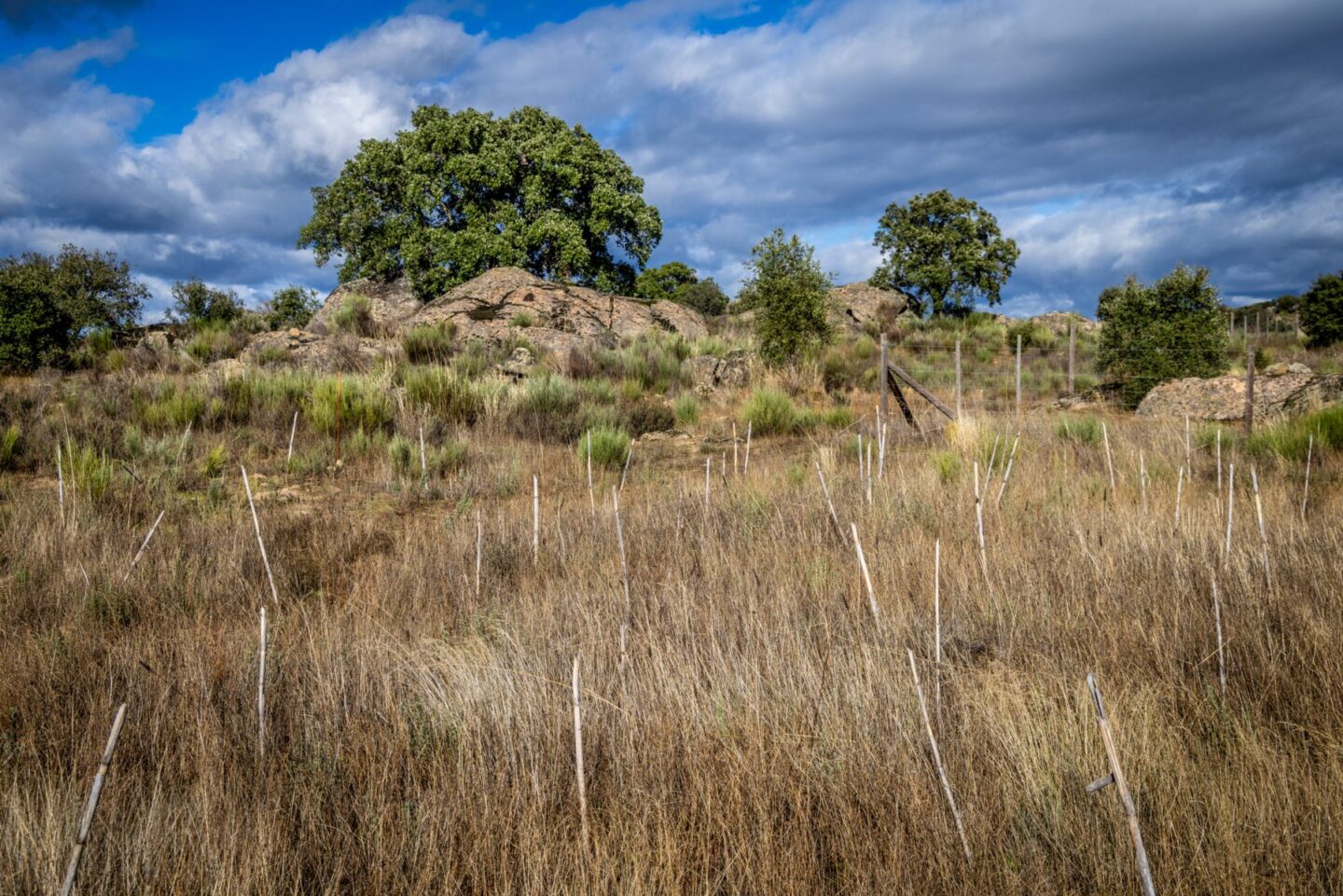
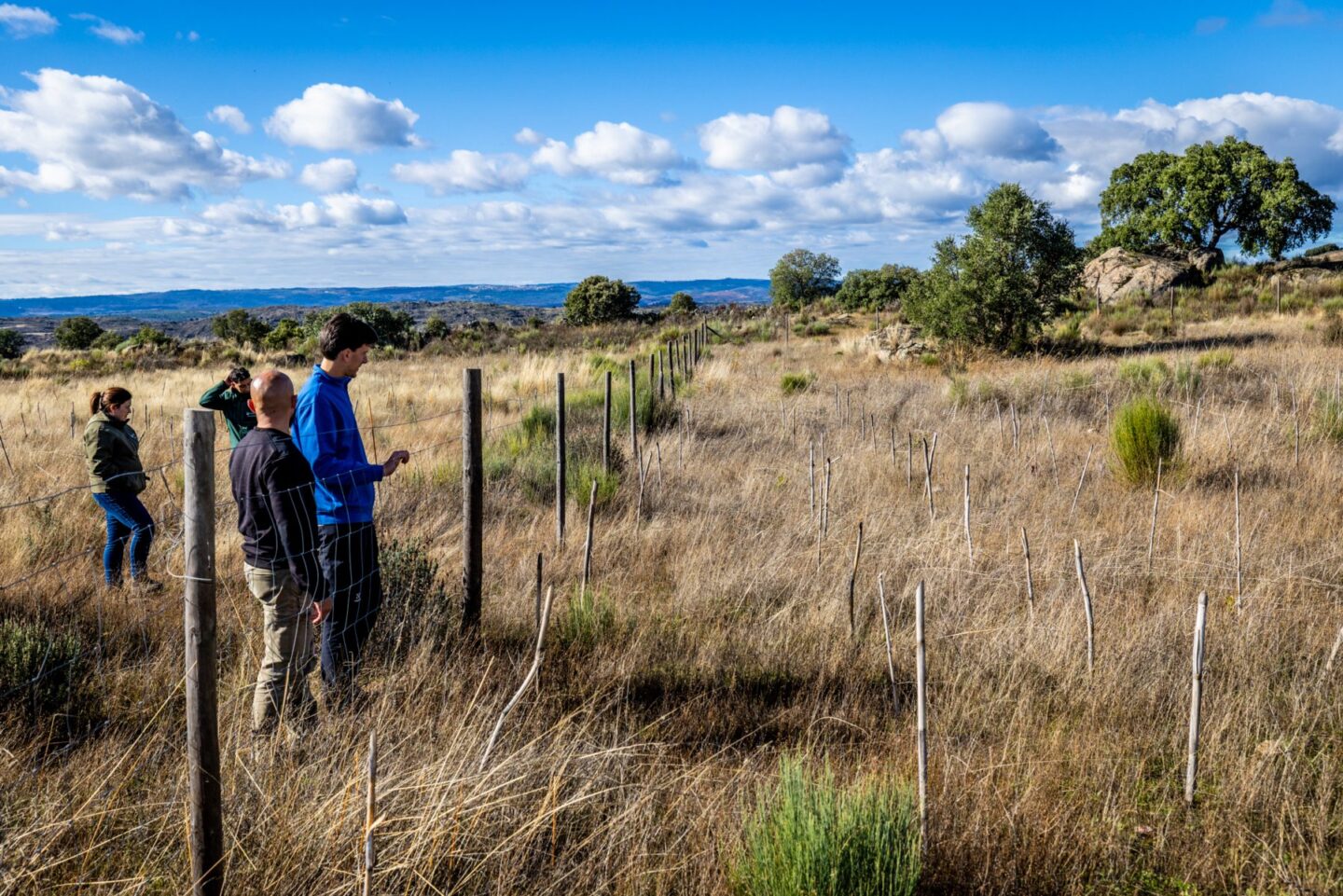
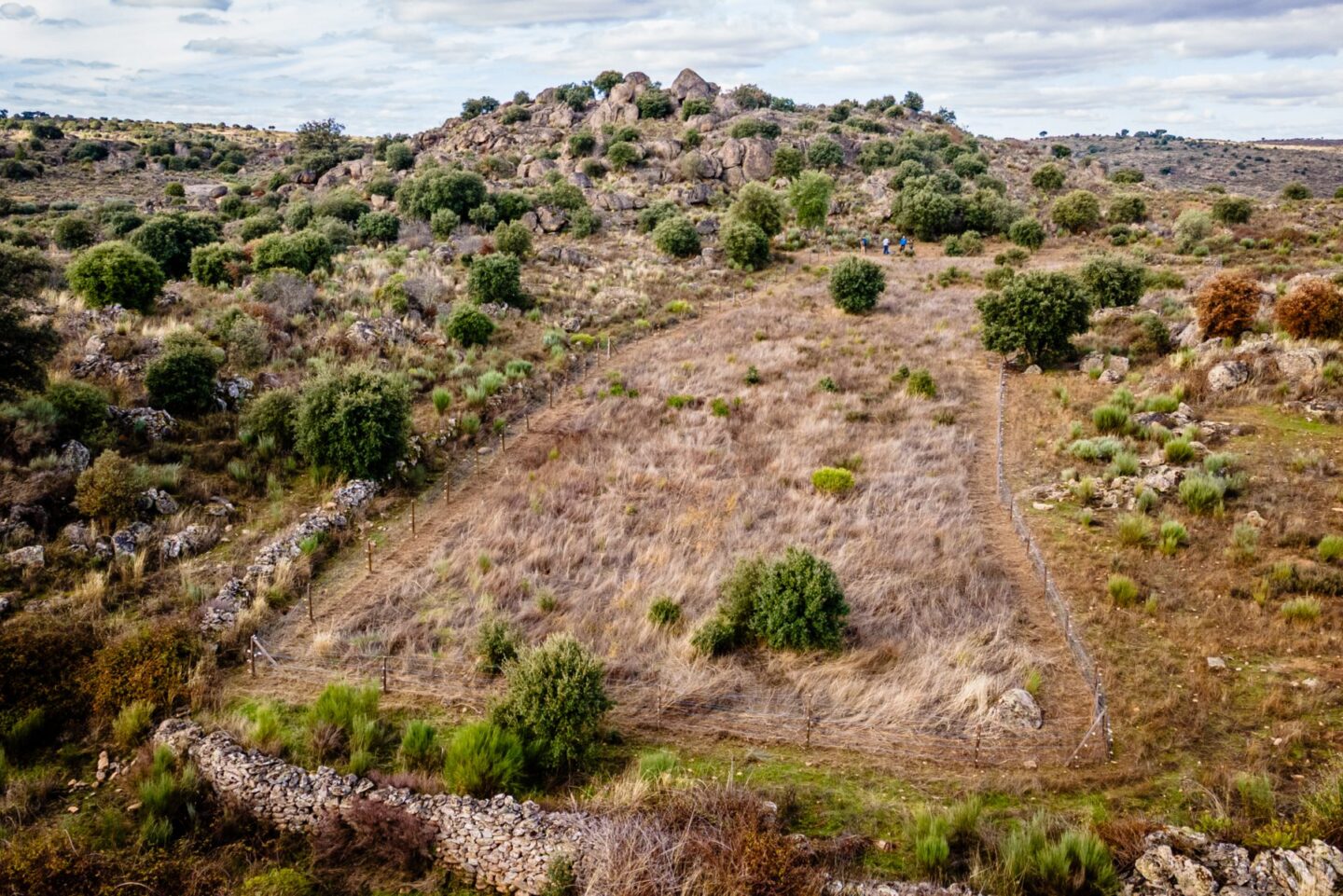
Some of the trees are growing in fenced-off plots with a wide diversity of trees and shrubs. And that’s working. The high planting density and the protection against grazing horses and wild boar ensures better survival chances for the saplings compared to those in plots that are not fenced off.
Planting in fenced-off plots
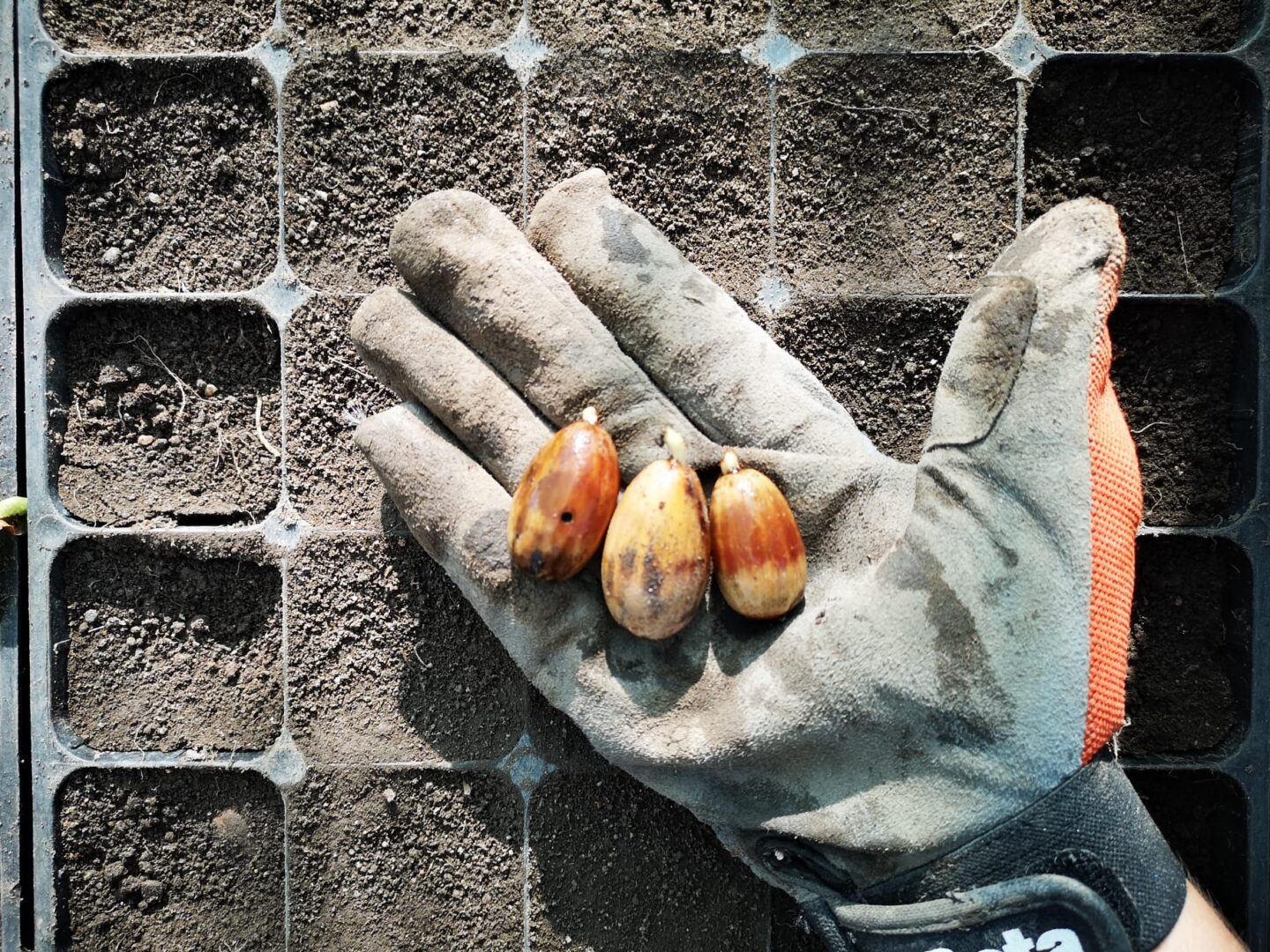
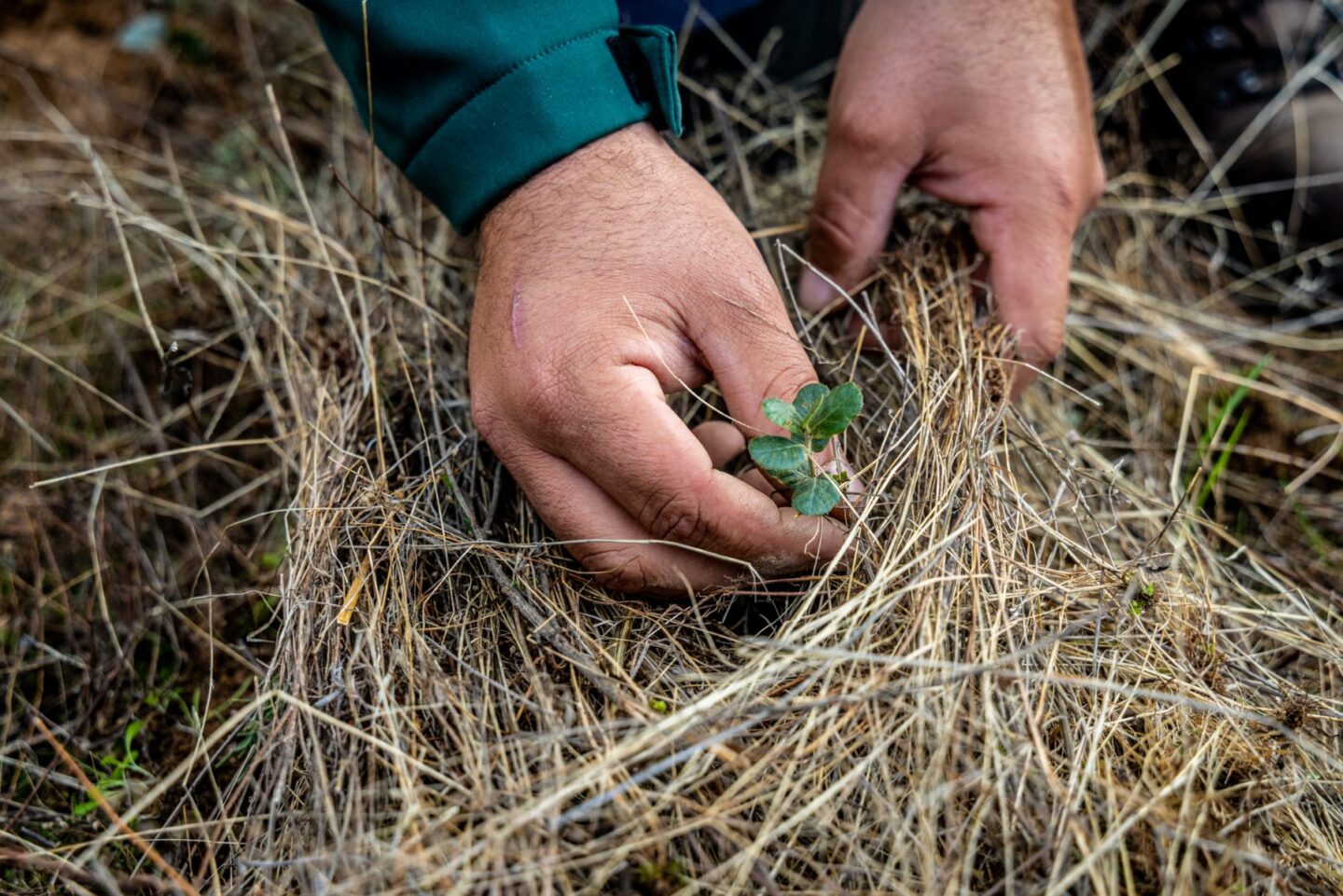
In places that are difficult to reach, such as between rocks, acorns are planted. This has the additional advantage of reducing the risk of the acorns being eaten by wild boar in the region. It’s been an effective measure, as some of the acorns have already grown into young oak trees, which will eventually contribute to the natural rejuvenation of the forest..
We deliberately plant tree and shrub species that occur naturally in the Faia Brava:
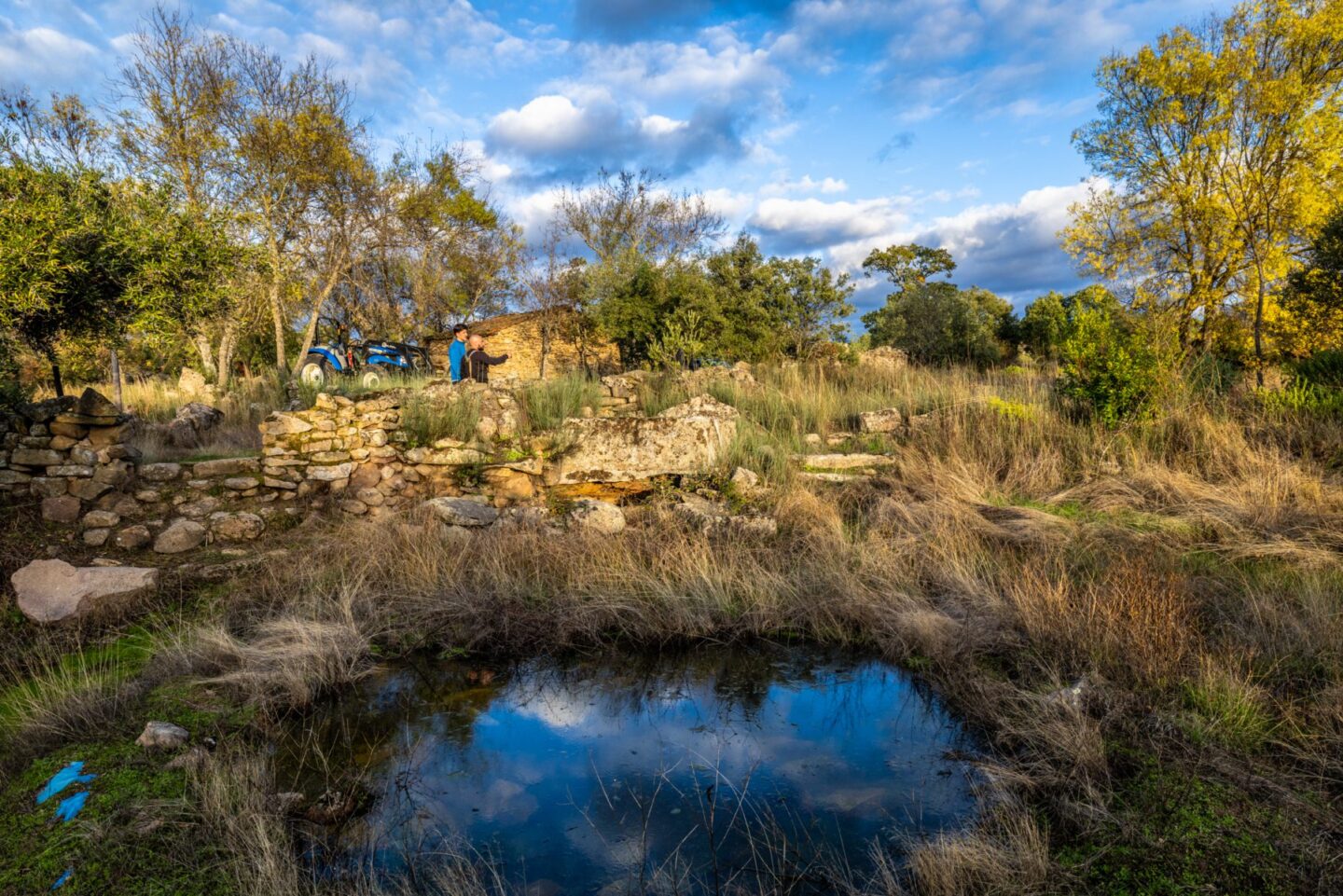
The local team has created various pools in the project area. During our visit, they were full of water. The pools form an important water supply in dry periods and are a source of biodiversity, as they are visited by all sorts of wildlife, like dragonflies and amphibians.
The pools also help to prevent fires. In addition, the local team prunes trees and shrubs, making them less susceptible to fire. And finally, in collaboration with the local fire service, firebreaks have been created: strips without vegetation or other flammable material. These are important measures to take in this dry region!
A pool with ash trees that are a few years old in the background
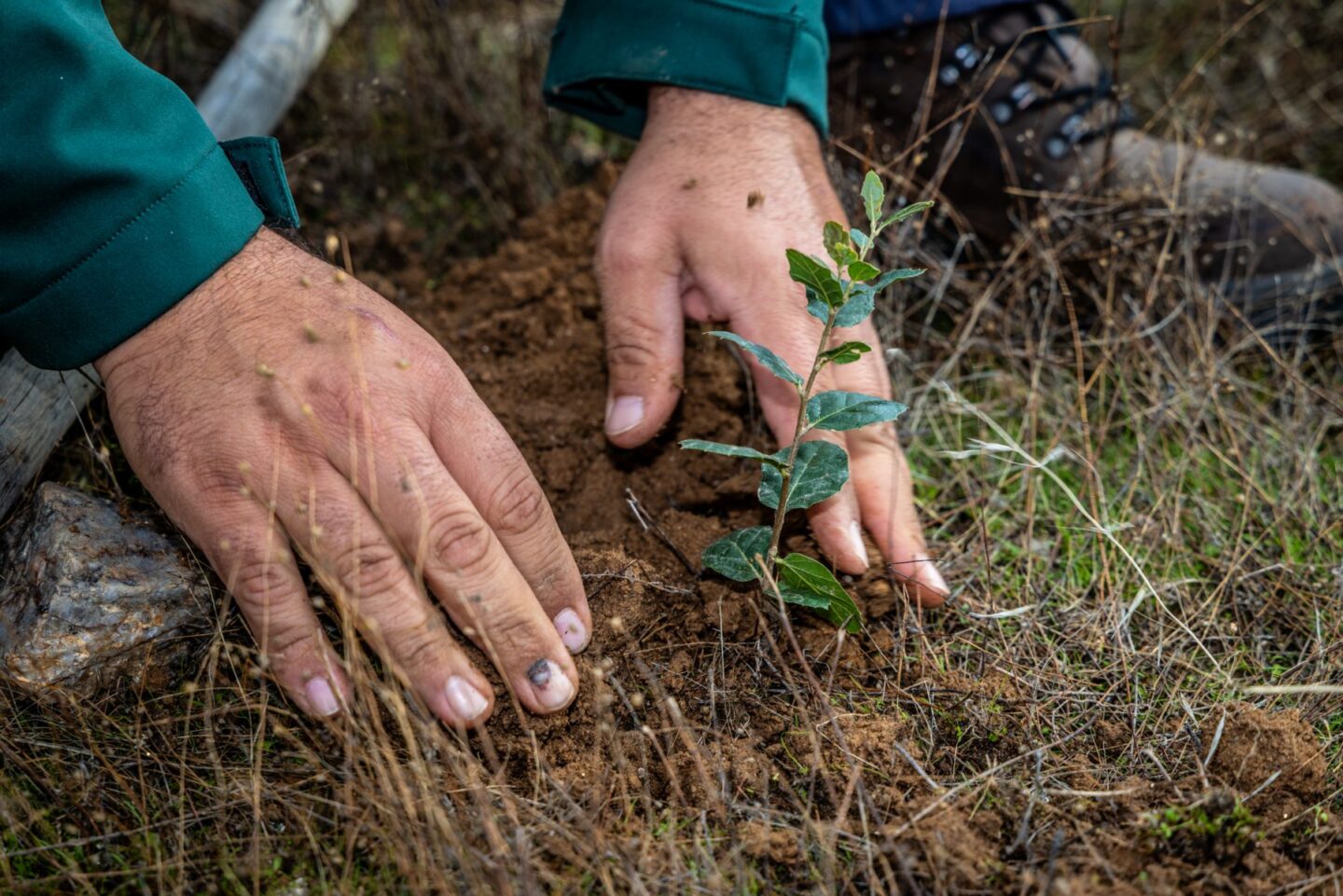
Improving the quality of the soil is crucial to increasing the survival chances of the saplings. So organic material, like mulch, compost, animal manure or grasses, is added to each sapling to protect the saplings and the soil against sun, wind and water.
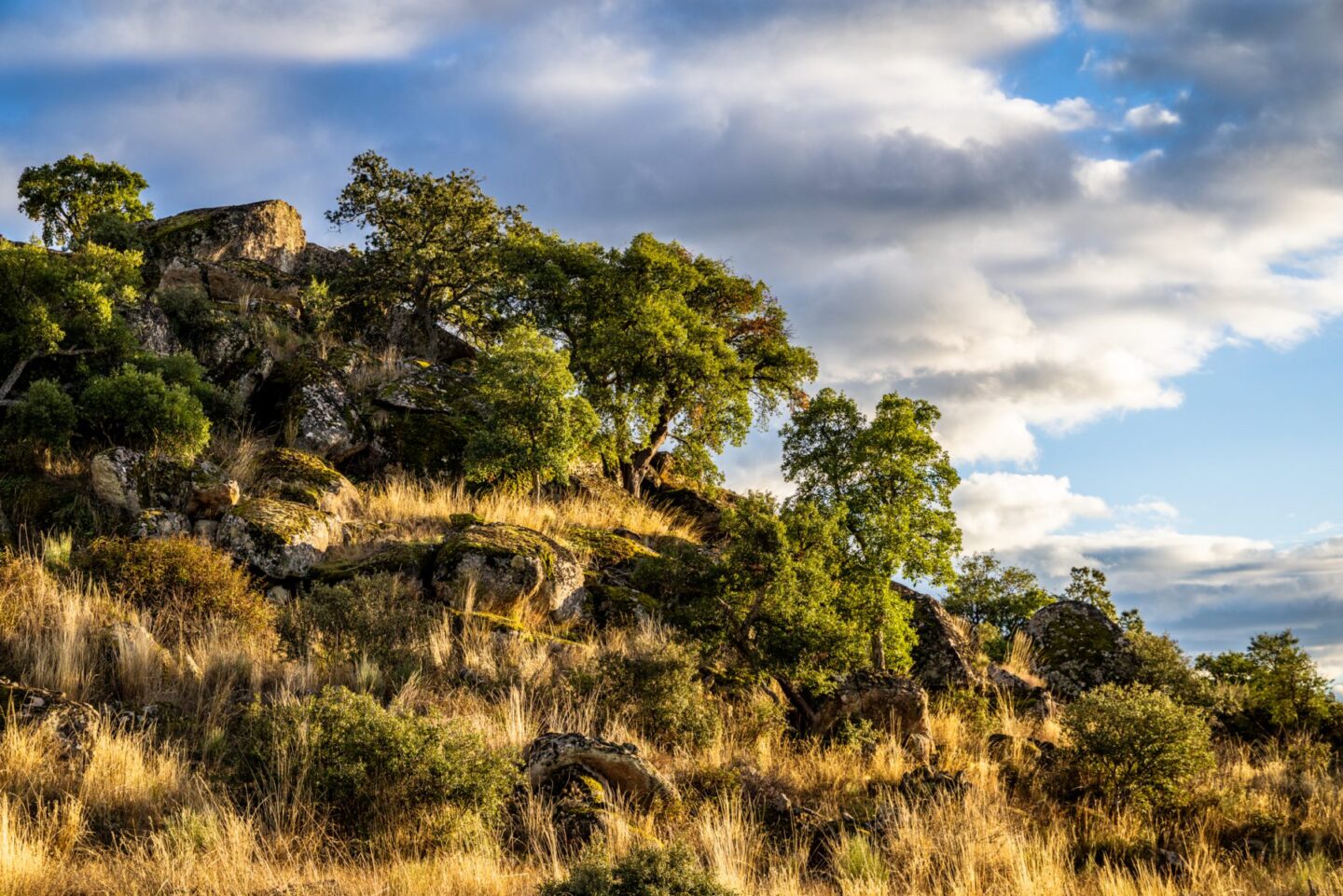
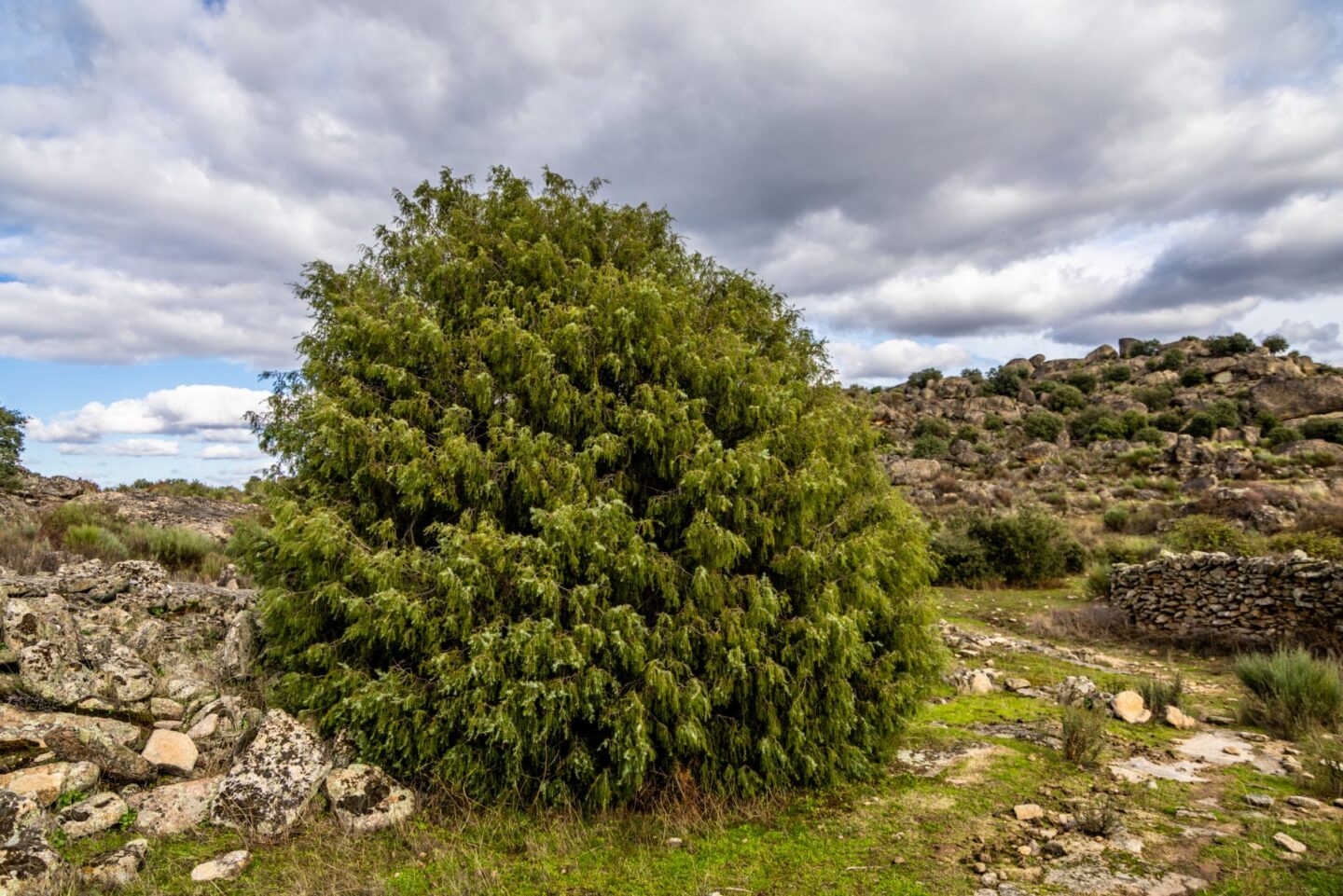
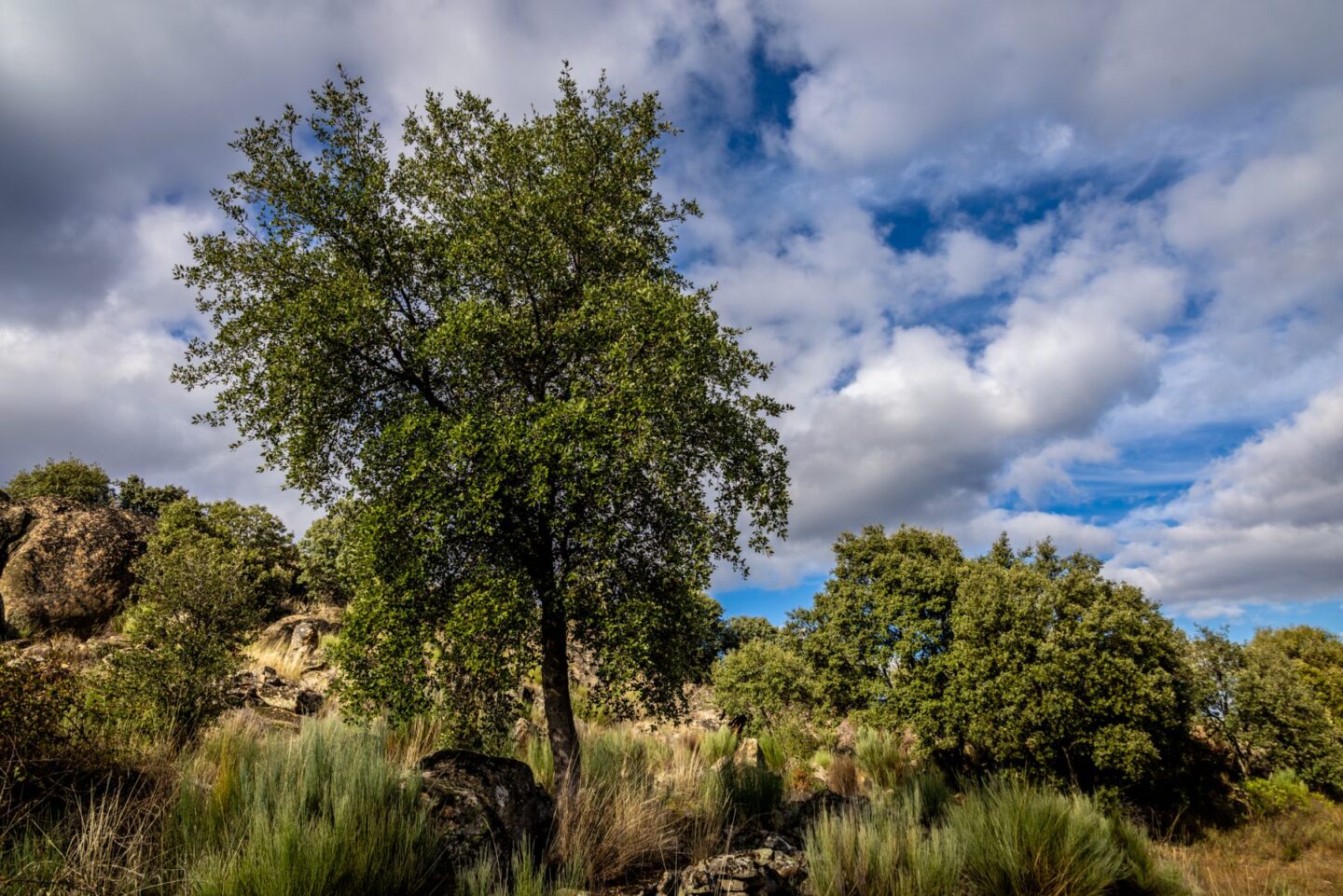
Photo 1: An old juniper tree. Photo 2: A varied landscape of several species, like the landscapes we want to see in the future
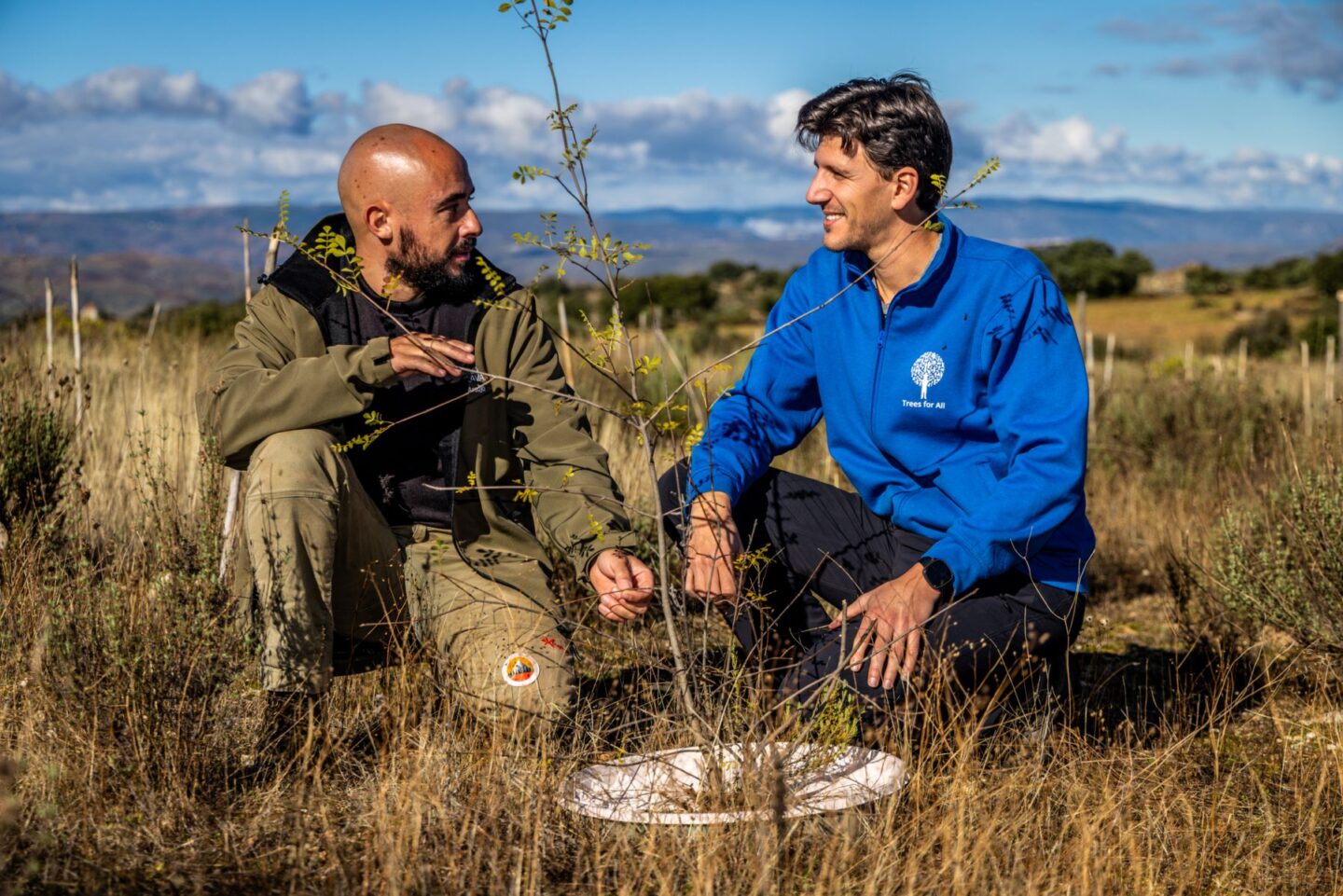
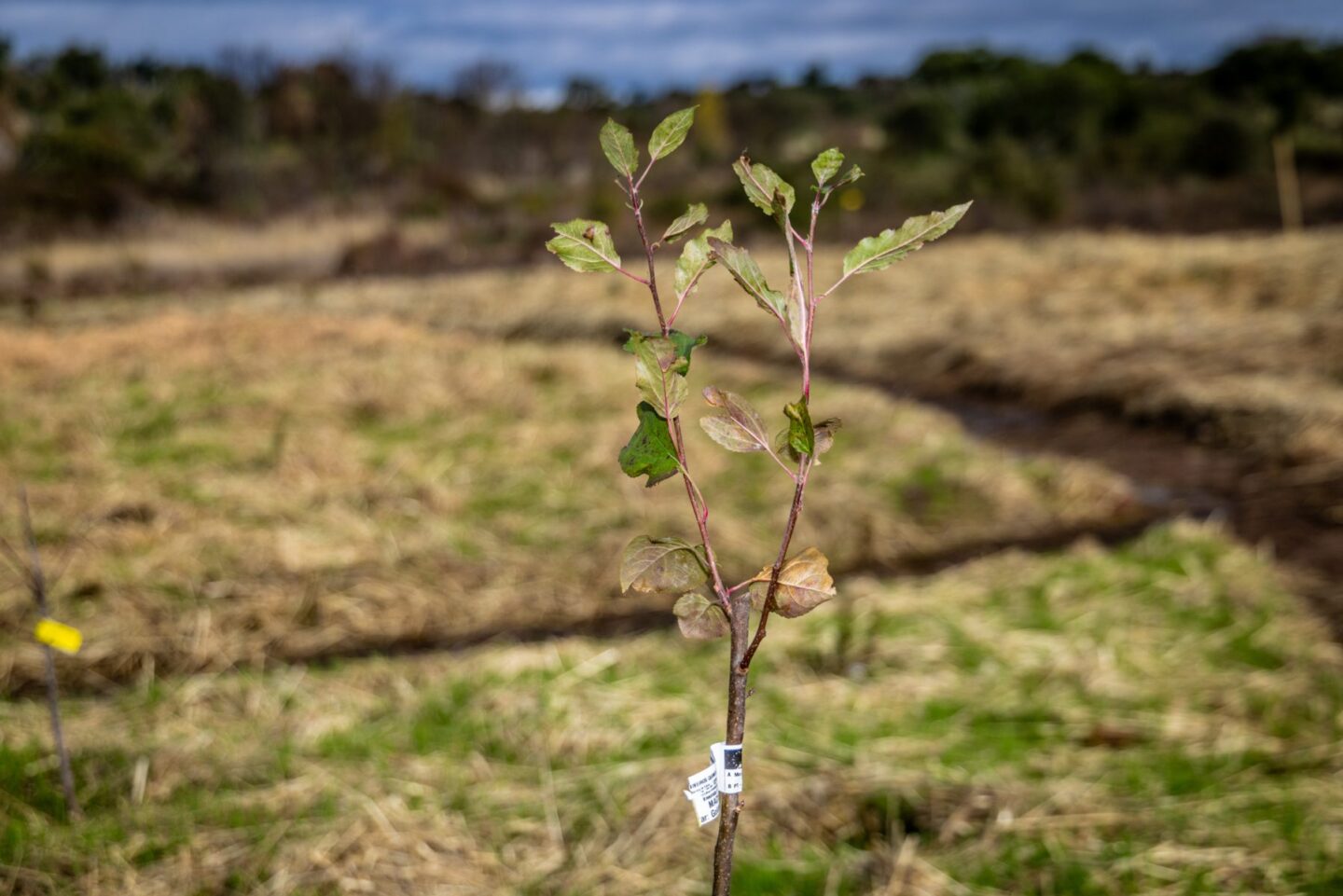
Although the growth of the young trees is going slowly, we are definitely seeing progress. Three-year-old oaks are now knee-height and species like the narrow-leaved ash have already sprung up to between one and two metres. However, there is a risk of dehydration or of drowning, due to persistent hot summers and wet winters. In addition, 3,500 saplings were replanted (refilled) this season, in order to promote reforestation.
The challenges also show that nature restoration is necessary in this region. Trees cool down the landscape, improve the soil and make the region more resistant to drought, flooding and fire.
We are therefore continuing to:
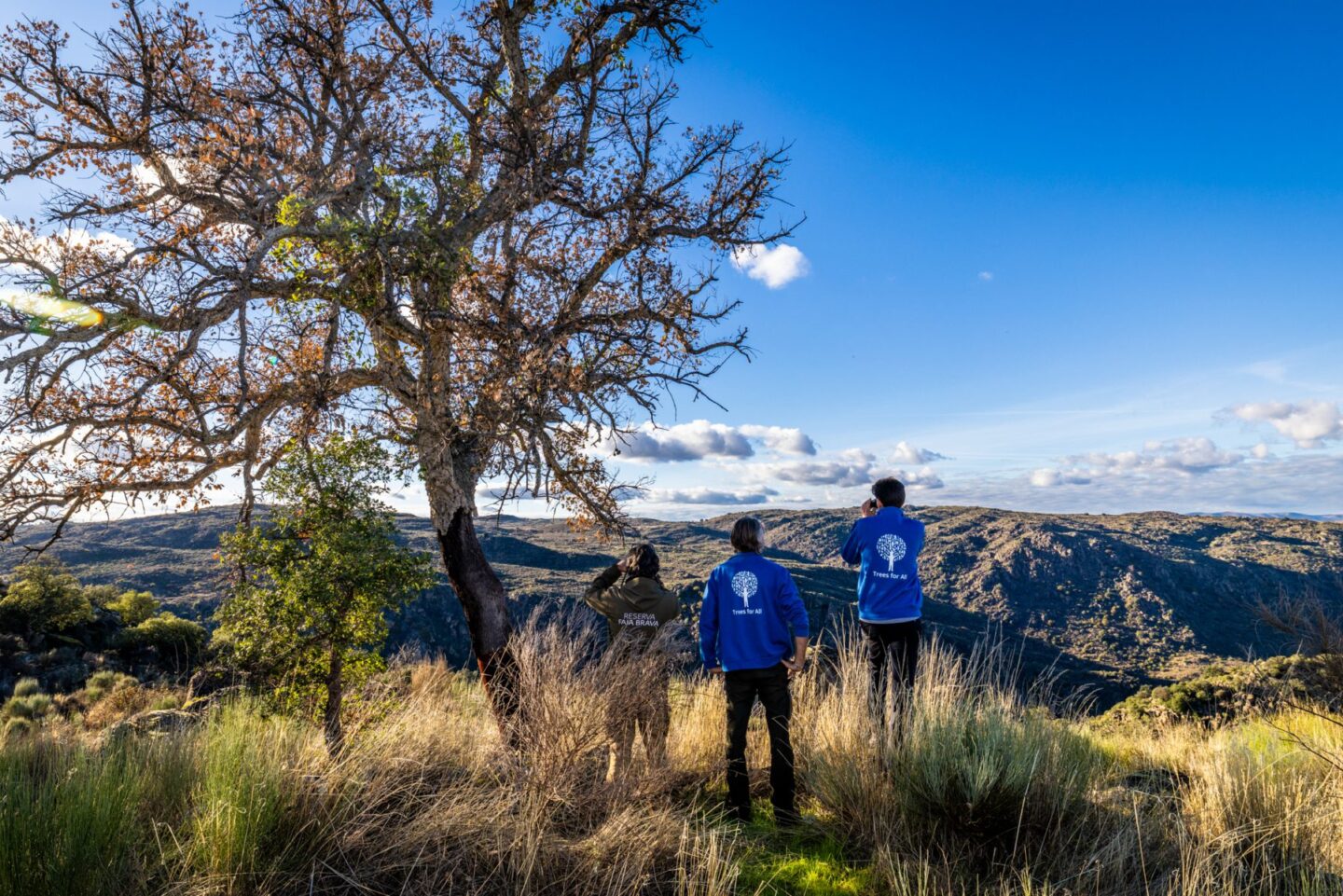
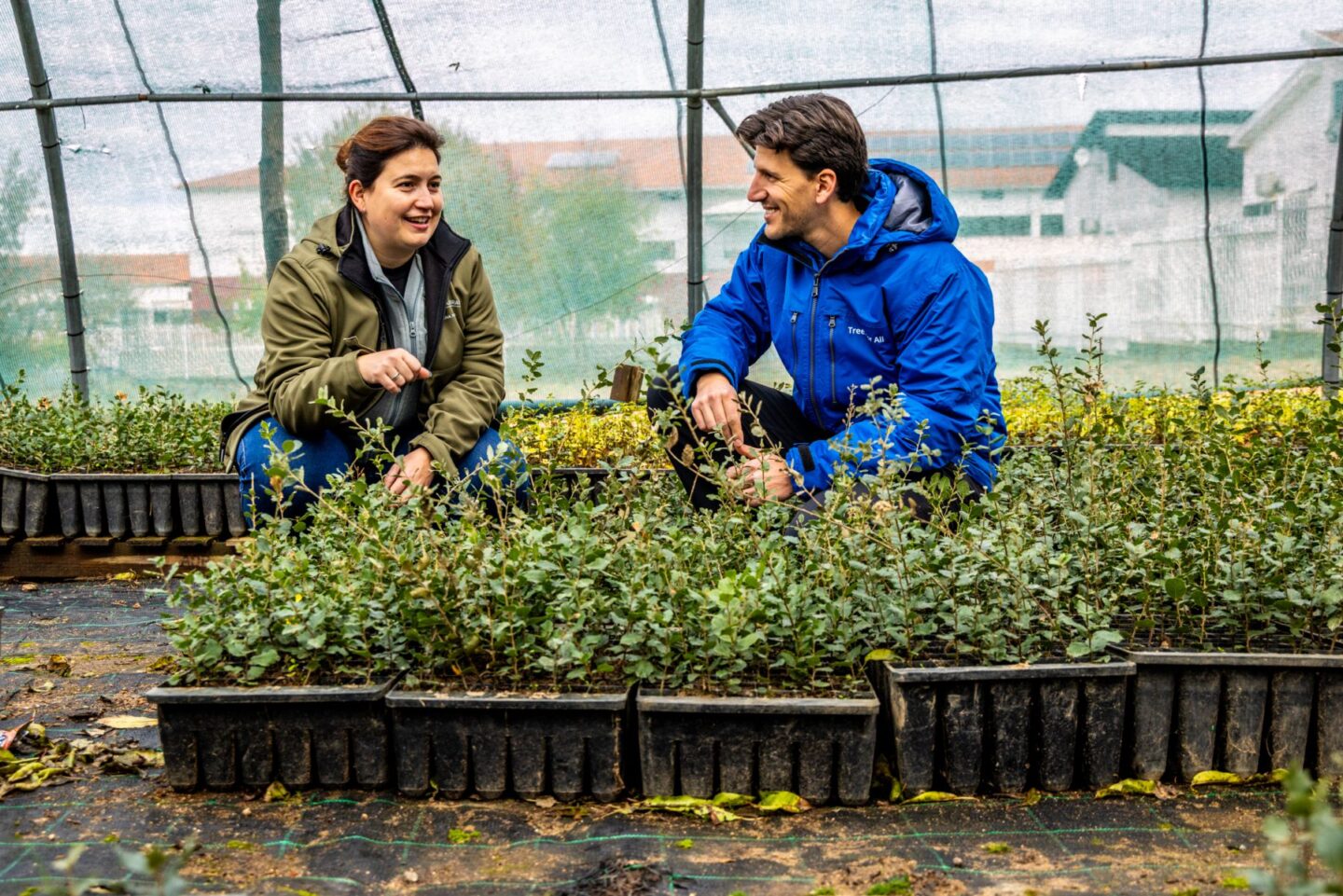
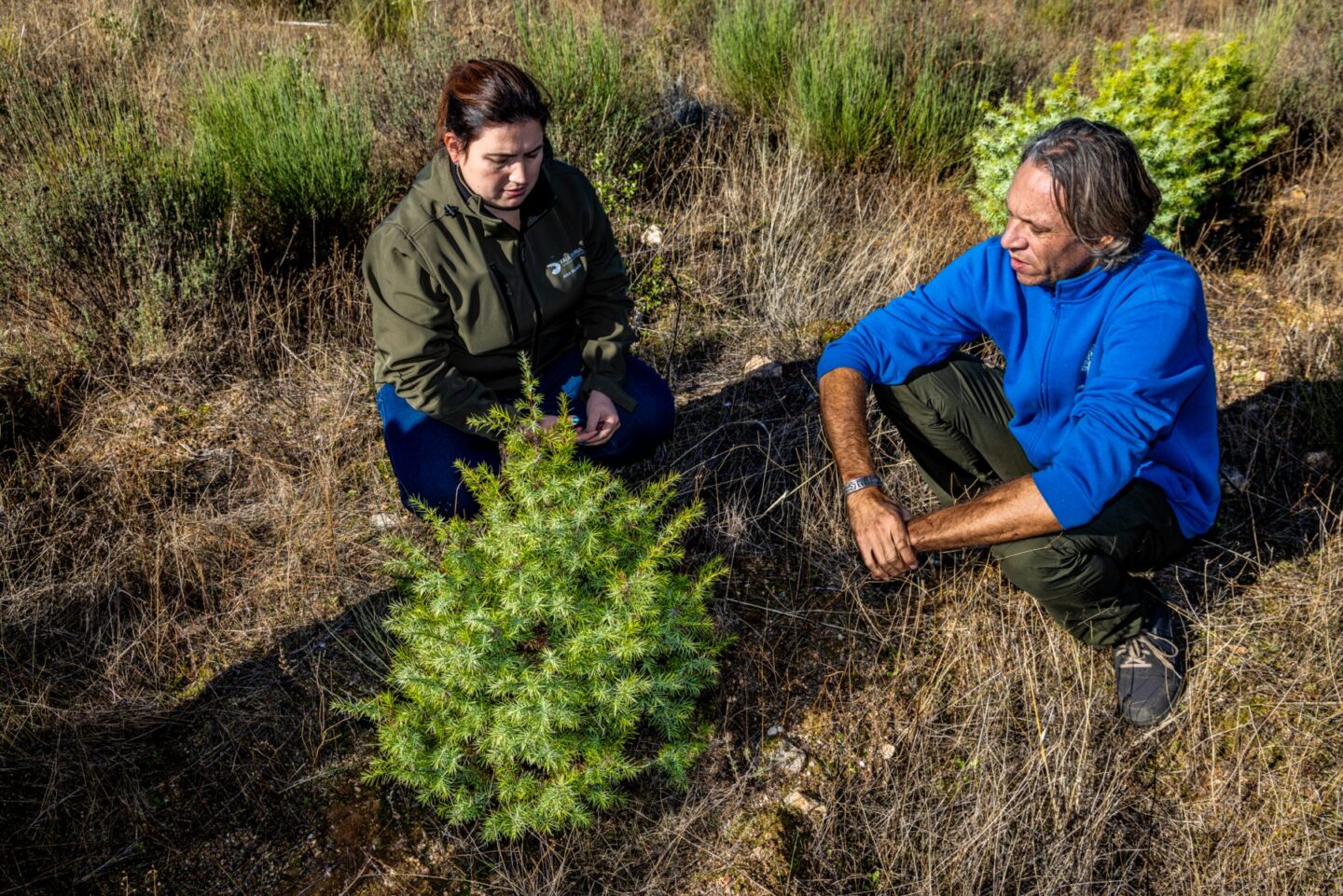
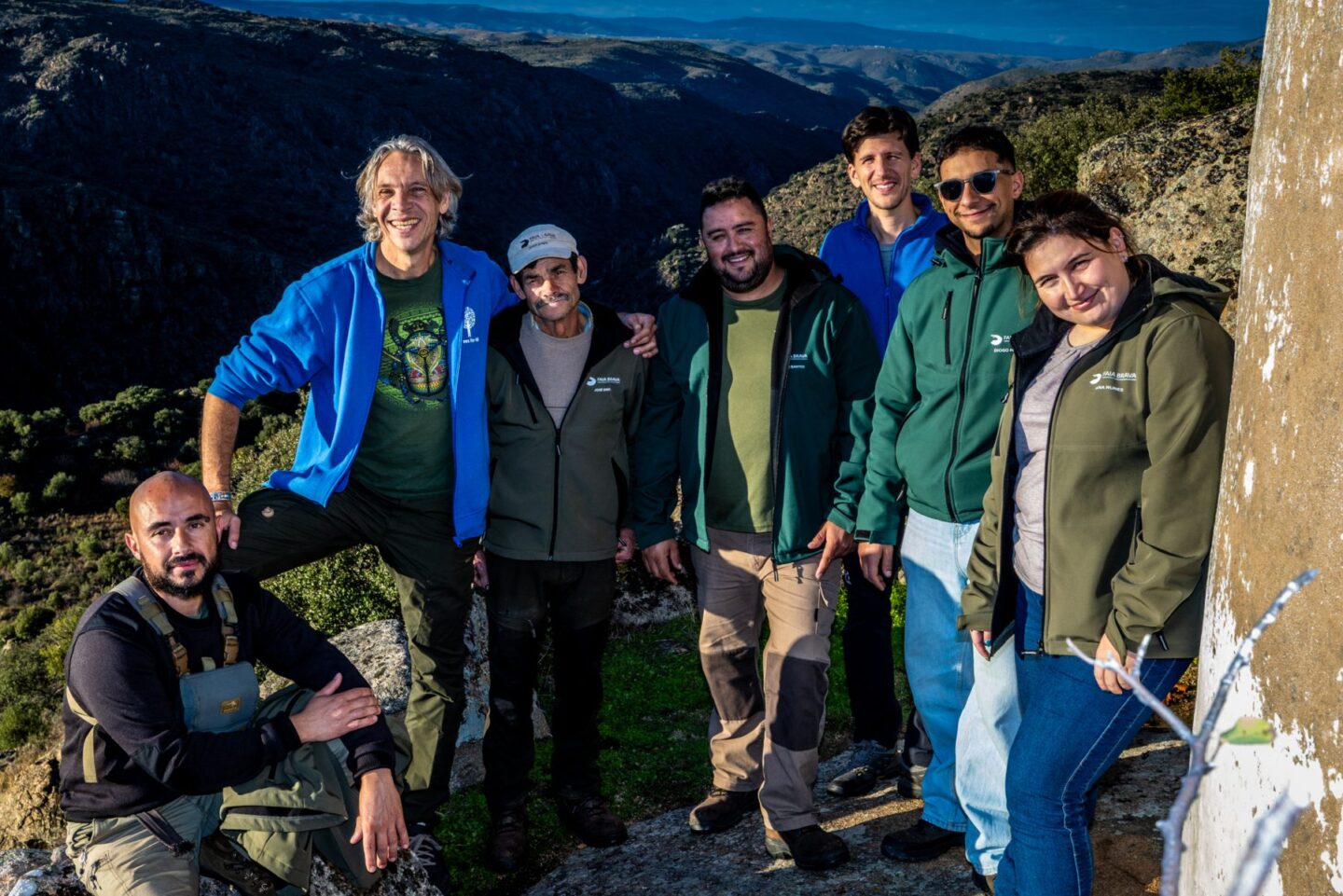
Our colleagues with the Faia Brava team
Reforestation in Portugal requires patience and is a continual learning process. Thanks to your support, we can carry on with our work and provide scope for nature to return to the reserve, step by step. If you would like to contribute to this, your donation will facilitate our work in Portugal and elsewhere.
Become a donor